Seven Travel Emergencies Often Excluded from Standard Insurance Policies
Travelers are advised to review policy exclusions carefully, as common issues like pre-existing conditions and extreme sports injuries frequently fall outside standard coverage.
By Renata Mehta ·
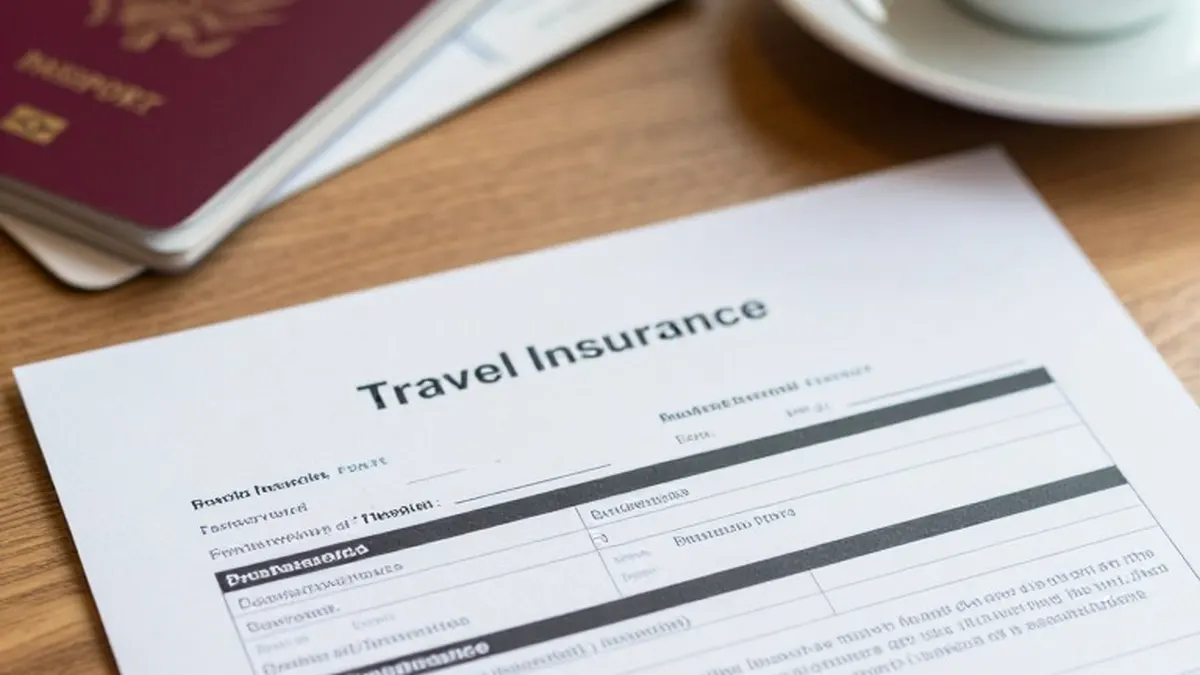
Travel insurance is designed to safeguard itineraries and expenses incurred during trips, but it is not a comprehensive solution for every potential mishap. Many travelers discover too late that their policies do not cover common emergencies, leading to financial strain after significant spending on flights, accommodations, and activities. Because insurance payouts are limited to a specific list of defined reasons rather than any generic delay or issue, it is crucial to review the terms of any plan before purchase or reliance.
One major exclusion involves pre-existing medical conditions. These are health issues for which a traveler has received care in the months prior to buying the policy. Common examples include heart disease, high blood pressure, asthma, or recent surgeries. If a condition flares up or requires medication changes before the trip, related issues while traveling may not be covered. This is because insurance is intended to protect against unforeseen and unexpected events, making pre-existing conditions a frequent gap in coverage.
Injuries sustained during extreme sports also present a challenge for policyholders. While activities like bungee jumping and caving are widely recognized as extreme, the definition can vary. Some travelers may not view mountain biking, skiing, or scuba diving as particularly risky. However, many standard policies exclude injuries or issues arising from these activities, leaving travelers to bear the cost of medical treatment or trip interruptions.
Storms that have already been named are another common exclusion. If a traveler purchases coverage after a tropical storm or hurricane has been officially designated, the event is generally considered foreseeable. According to the National Oceanic and Atmospheric Administration, storms receive names once their winds reach at least 39 miles per hour. To ensure potential coverage, insurance should be purchased before the storm reaches this threshold.
Pregnancy care is typically excluded from standard travel insurance. Expected developments such as morning sickness, prenatal checkups, and childbirth are generally not covered. This exclusion is particularly strict if a doctor advises against travel, such as during the third trimester or in cases of high-risk conditions. However, some plans may cover pregnancy complications that arise after the policy has been purchased.
Acts of war are frequently excluded from travel insurance policies. This exclusion often applies regardless of whether a formal declaration of war has been made between two countries. The distinction between war and terrorism can be difficult to navigate. War is generally defined as armed conflict between states or militaries, while terrorism involves non-state groups targeting civilians. While war exclusions are common, terrorism coverage may be available for attacks occurring after the policy is bought.
The theft of high-value electronics is another area where coverage may be limited. While the loss of a phone or laptop is a significant financial blow, many policies impose low per-item caps that fall well below the replacement value of these devices. Some policies may exclude electronics such as cameras, tablets, and gaming devices entirely. In such cases, travelers may need to rely on protection offered by their airline or credit card company.
Finally, personal changes of mind, often referred to as cold feet, are rarely a covered reason for cancellation. If a member of a travel group develops anxiety about a flight or a destination, or simply decides to back out, the policy is unlikely to pay out. To mitigate this risk, experts suggest booking the insurance within 14 to 21 days of the initial trip payment. This timeframe is critical because many workarounds, such as waivers for pre-existing conditions, expire within this window.
The key takeaway for travelers is that insurance pays only for unexpected events specifically listed in the policy. It is recommended to purchase coverage as soon as travel plans are booked and to read the exclusions before payment, rather than during the trip or when filing a claim. Consulting with an insurance representative can help tailor a policy to specific needs and travel plans, ensuring better protection against unforeseen circumstances.
More News · National news · Report a business · Got a Story?