APEC Summit Highlights Deepening Chasm Between China and Japan
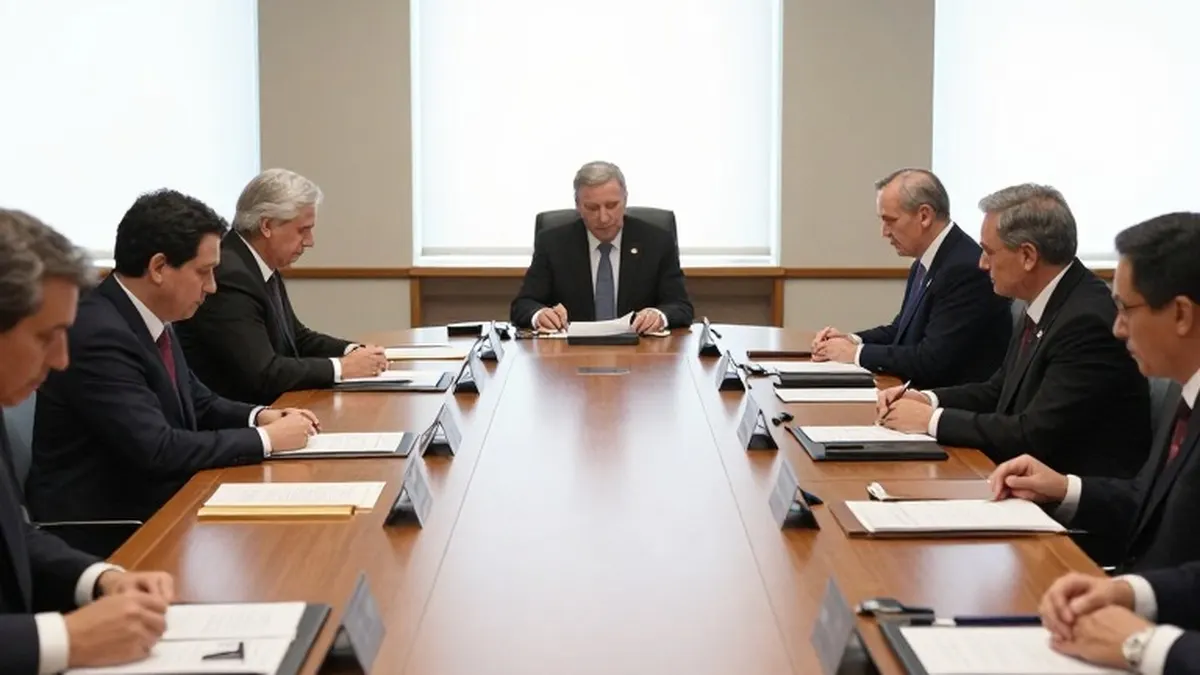
The recent APEC summit in Shenzhen revealed the deepening diplomatic rift between China and Japan, marked by a low-key reception for Prime Minister Takaichi and continued pressure from Beijing over recent security statements.
By Renata Mehta ·

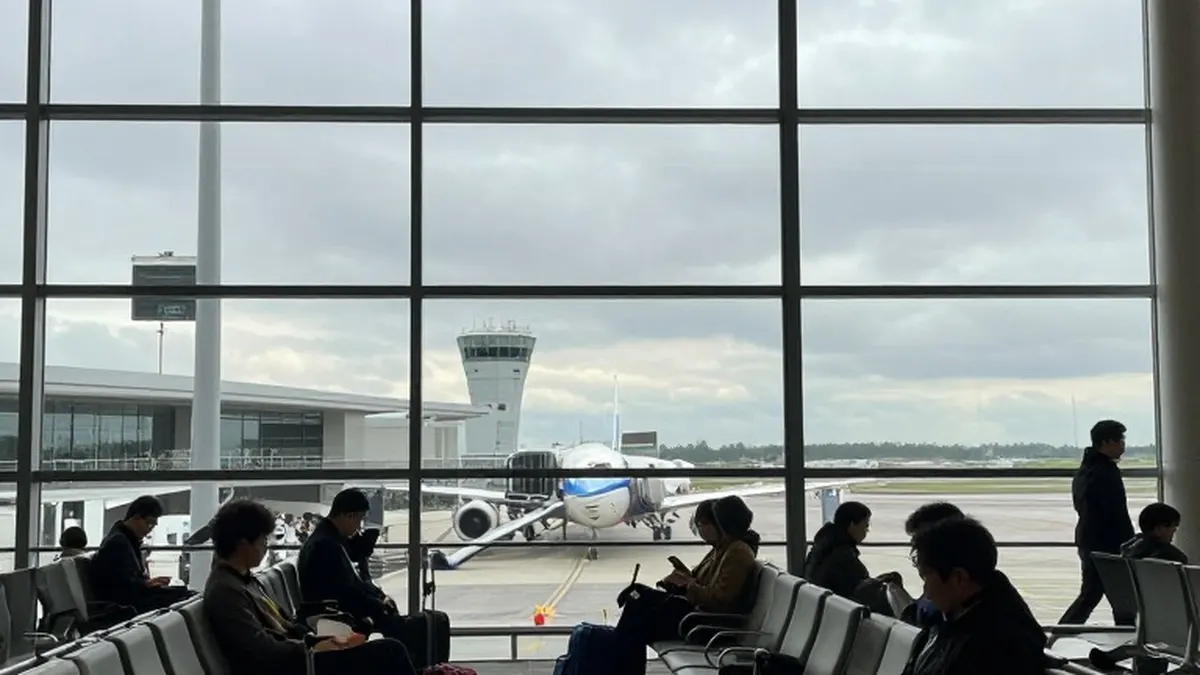
Japanese Prime Minister Sanae Takaichi faced a visibly cool reception from Chinese counterparts during the recent Asia-Pacific Economic Cooperation summit held in Shenzhen. The two-day event, which took place in late November, served as a stark illustration of the current diplomatic tensions between the two economic giants. Upon her arrival on November 18, Takaichi encountered a minor logistical issue when the mobile stairs for her aircraft were positioned short of the plane's threshold. This required her to hold the door frame to descend approximately 40 centimeters to the top step, a detail that observers noted was likely deliberate rather than accidental.
The atmosphere during the welcome ceremony further signaled Beijing's stance. Unlike other APEC leaders who were greeted with musical performances, cheering crowds, or traditional dances, Takaichi's arrival was marked by a notably low-key reception. According to the Yomiuri newspaper, the Japanese Prime Minister had a brief meeting with Chinese leader Xi Jinping at a dinner reception, where his demeanor was described as cold. While many other regional heads of state secured brief one-on-one meetings with Xi during the sidelines of the summit, the Japanese delegation was denied such access.
William Yang, a Taiwan-based analyst for the International Crisis Group, stated that the frostiness from the Chinese side was evident from the moment Takaichi landed. He noted that the contrast between her reception and that of other leaders was significant, reflecting the broader state of bilateral relations. Yang observed that the ice did not break even when Takaichi attempted to speak with Xi at the dinner, suggesting that the summit merely mirrored the existing diplomatic climate.
The current rift is rooted in a complex history involving the Japanese invasion of China in the 1930s and the subsequent occupation of captured cities. Chinese schoolchildren are educated on the horrors of the Nanjing Massacre and the use of chemical and biological weapons by Japanese forces. In contrast, Japan maintains that its post-war apologies and substantial economic aid, which helped build China's modern economy, are often overlooked in the face of ongoing criticism.
David Adebahr, a professor at Kobe University, pointed out that diplomatic relations were normalized in 1972 and Tokyo pursued engagement for several decades. However, this approach stalled in the mid-2000s due to rising Chinese military spending, failed talks over the East China Sea, and increased submarine activity near Japanese waters. The shift accelerated after the 2008 Beijing Olympics, as China adopted a more assertive stance regarding the Senkaku Islands, which Japan controls but Beijing claims.
Tensions escalated sharply in November 2025 when Takaichi stated in the Diet that any contingency involving Taiwan would inevitably threaten Japan's national security. Adebahr noted that this statement aligned with long-standing internal security logic, yet Beijing reacted with fury. China has since demanded that Takaichi retract the comment and has applied pressure through various means, including restricting exports of rare earth minerals, banning Japanese seafood imports, and advising tourists to avoid Japan.
Adebahr explained that Beijing currently holds significant leverage, citing Japan's dependence on Chinese rare earths and the visible military presence around Japan, sometimes in conjunction with Russia. He added that the US administration has urged Tokyo to de-escalate, giving China little incentive to offer a face-saving compromise. However, he warned that this coercive approach could push Japan toward increased defense spending and closer ties with other partners.
Yang described Takaichi's position as a major test of her leadership, noting that she is walking a political tightrope. As a committed conservative, she must balance reducing tensions with preparing for potential contingencies over Taiwan. He expects China to maintain its pressure through targeted export limits and amplified assertions of Japan's remilitarization. Meanwhile, Adebahr remains cautiously optimistic, arguing that complex economic interdependencies in trade, technology, and critical minerals make a full decoupling unlikely, even if diplomatic relations remain frosty.