APEC 2026: Xi, Trump, and Putin Meet as 3.4% Growth Defies Global Trade Friction
Shenzhen hosts the summit where the IMF declares AI the dominant driver of economic activity, overshadowing the region's push for a unified free trade zone.
By Grace Almasi ·
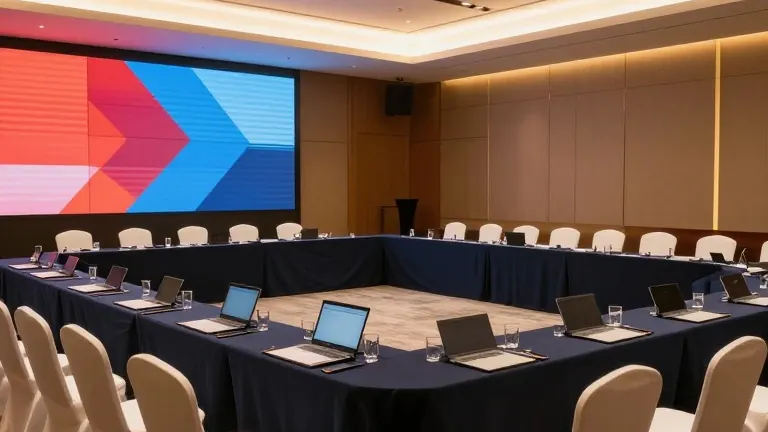
Leaders from 21 economies gathered in Shenzhen this Thursday for the Asia-Pacific Economic Cooperation summit, but the focus shifted immediately from trade policy to the rare trilateral meeting between Chinese President Xi Jinping, U.S. President Donald Trump, and Russian President Vladimir Putin.
The three heads of state are scheduled to discuss nuclear arms, the war in Ukraine, and the Middle East conflict later today. This gathering occurs while APEC continues its slow effort to establish a free trade zone across the Pacific Rim.
The summit venue in Shenzhen, a city known for its technology sector, featured light displays and robotics during the formal arrivals. Leaders wore business attire and draped wide red or blue scarves over their shoulders for the group portrait.
In the closed-door session, President Xi urged his counterparts to prioritize open trade and technology development. He compared the members to passengers on the same boat who must join forces to weather the Pacific’s winds and waves.
Russian President Vladimir Putin, attending his first APEC summit in nine years, supported the call for unity. He stated that the organization must develop a constructive agenda for cooperation.
President Trump focused his remarks on the strength of the U.S. economy. He claimed that his administration has brought in trillions of dollars in new investment and created trillions in new wealth. He also said he expected to sign more trade agreements in the near future.
A major point of contention remains the U.S. effort to limit China’s access to advanced computer chips for artificial intelligence. President Trump vowed to oppose globalist efforts to regulate what he calls super intelligence, while Xi and other Asian leaders argued for fair sharing and regulation of AI technology to maintain financial stability.
Washington recently tightened restrictions on remote access to this technology. This move closed a loophole that had allowed access to billions of dollars worth of Nvidia chips, an issue brought into focus by the recent scandal involving Nvidia founder Jensen Huang and a Chinese technology executive.
Kristalina Georgieva, managing director of the International Monetary Fund, addressed the leaders on the economic impact of AI. She reported that the APEC region, which accounts for more than half of global business activity, is growing at 3.4% annually. This slightly outpaces global growth of 3.1%.
Georgieva noted that global trade expanded by 4.6%, driven largely by the AI investment boom. She told the leaders that AI is the most significant factor for medium-term competitiveness, stating, "While the energy shock will eventually dissipate, AI is forever."
More Business · Customer Complaints · Report a business · Got a Story?