
Army Reschedules Unstable Chemical Detonation in Iowa to Monday
The U.S. Army has moved a planned controlled blast of hazardous materials at the Iowa Army Ammunition Plant from Friday to Monday due to weather forecasts and legal challenges.
By Amit Chukwu ·
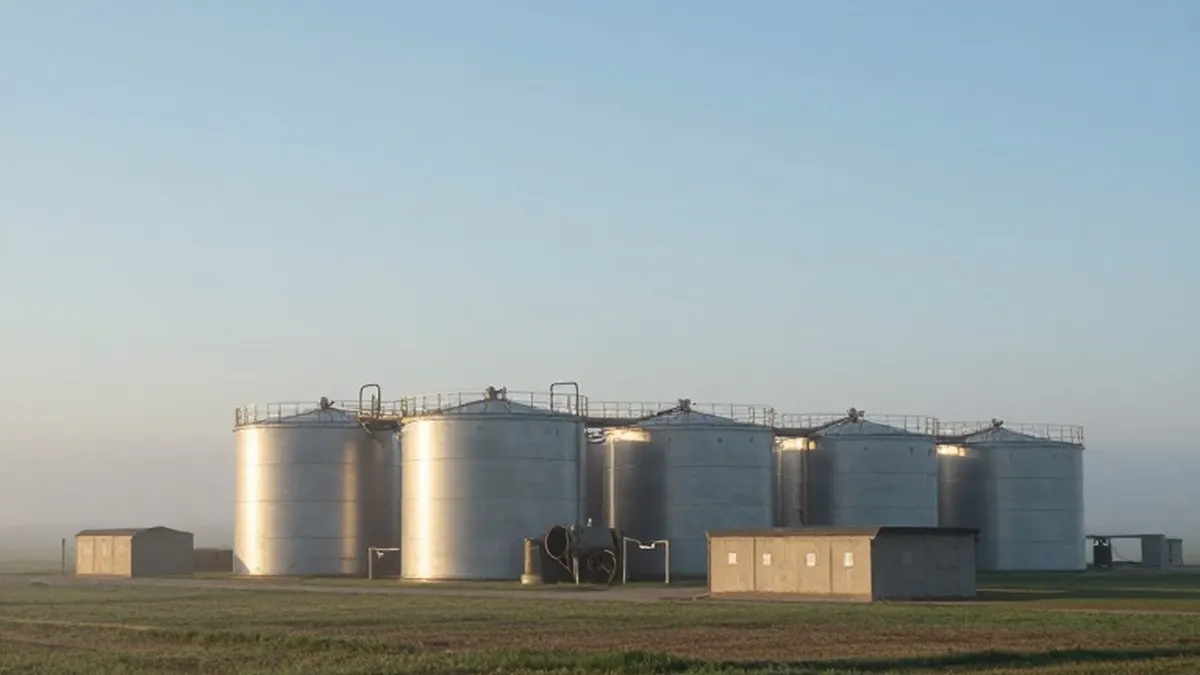
The U.S. Army has postponed the controlled detonation of five tons of unstable bomb-making chemicals at a munitions facility in Iowa. The operation, originally scheduled for Friday, will now take place on Monday, November 23. Acting Secretary of the Army Adam Telle issued the directive to push back the timeline in response to an incoming temperature drop, ongoing environmental lawsuits, and a formal request from Iowa Governor Kim Reynolds.
Telle instructed Army Materiel Command to delay the blast at the Iowa Army Ammunition Plant in Middletown until the latest possible window before the weather changes. In a statement posted on X, the Secretary emphasized that public safety remains the highest priority for the military branch. He explained that waiting until Monday allows the operation to occur just before a forecasted drop in temperature, which could otherwise increase the risk of further destabilization in the stored materials.
The decision to pause the operation followed growing concerns regarding public safety in the surrounding region. Governor Reynolds had urged the Army to delay the event, while several environmental groups filed lawsuits seeking to halt the planned detonation entirely. These legal and political pressures contributed to the leadership's decision to adjust the schedule.
The rescheduling affects approximately 400 residents of Middletown, who were previously advised to evacuate their homes on Friday morning. The temporary evacuation was recommended to protect residents from potential localized window damage and a dust plume that may contain lead particles. With the new date, the timing of these safety measures has been shifted to align with the Monday operation.
The chemical involved in the detonation is degraded lead azide, a substance used to initiate munitions. Crews are preparing to detonate 68 drums of this material, which had been stored in bunkers at the plant for more than 20 years. Army officials discovered in March that water had evaporated from the stabilizing bath within the barrels. This loss of liquid allowed the material to recrystallize, rendering it too unstable to be handled or relocated safely by conventional means.
The Environmental Protection Agency highlighted the severity of the situation earlier this month when it approved an emergency permit for the blast. The agency noted that the recrystallization process had made the material highly sensitive to friction and shock. This sensitivity created a significant risk of spontaneous explosion, leading to a highly dangerous condition that necessitated the controlled detonation.
An Army smoke model released on Tuesday provided projections for the dispersal of the plume following the blast. The model indicated that the smoke could travel up to 25 miles north, reaching Wapello, Iowa. It also suggested that the plume might spread across parts of eastern Iowa and northwest Illinois. The model warned that the particles could settle on local farmland and playgrounds, posing specific risks to the environment and community spaces.
The smoke model specifically identified children under the age of six as being especially vulnerable to lead exposure from the detonation. This demographic risk factor is a key consideration in the Army's current planning and communication strategy. The agency is closely monitoring the potential health impacts associated with the lead particles contained in the dust plume.
Moving forward, the Army stated that it will continue to coordinate closely with the EPA, as well as state and local officials. This collaboration aims to ensure that updated safety protocols and evacuation guidance are shared with the public ahead of the rescheduled detonation on Monday. The military remains focused on managing the risks associated with the unstable chemical stockpile while maintaining transparency with the affected communities.
More News · National news · Report a business · Got a Story?