Supreme Court largely upholds Quebec secularism law
The Canadian Supreme Court has largely validated Quebec's Bill 21, which limits religious symbols for public servants, while carving out an exception for provincial lawmakers.
By Renata Mehta ·
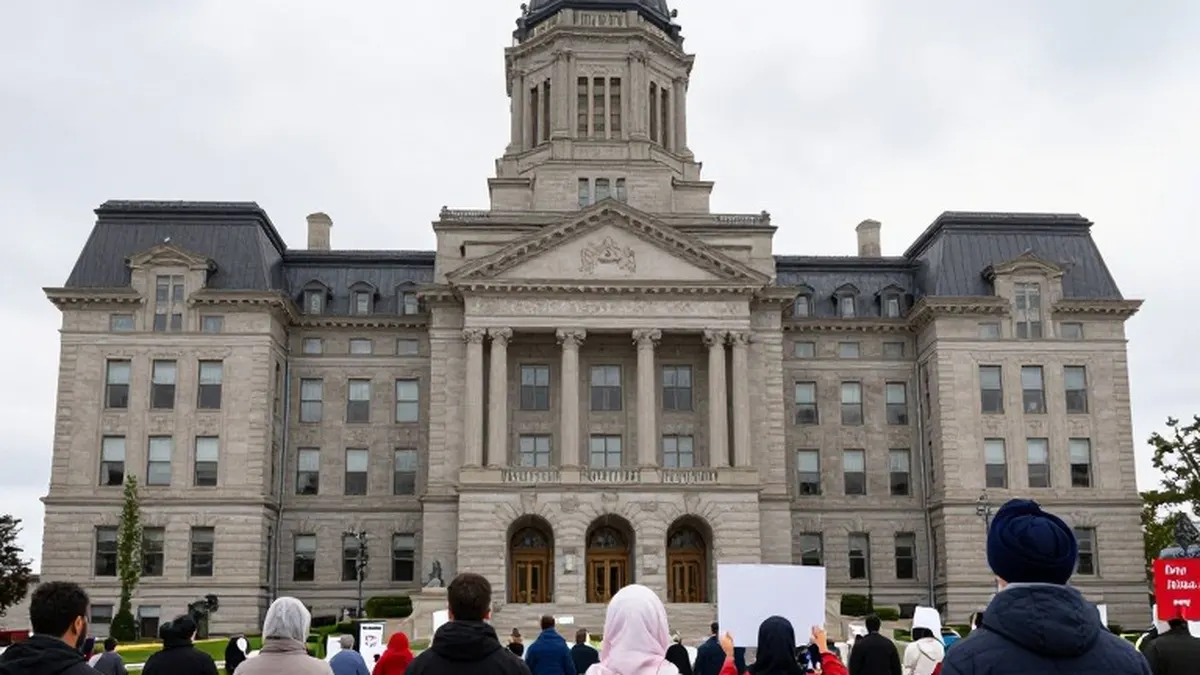
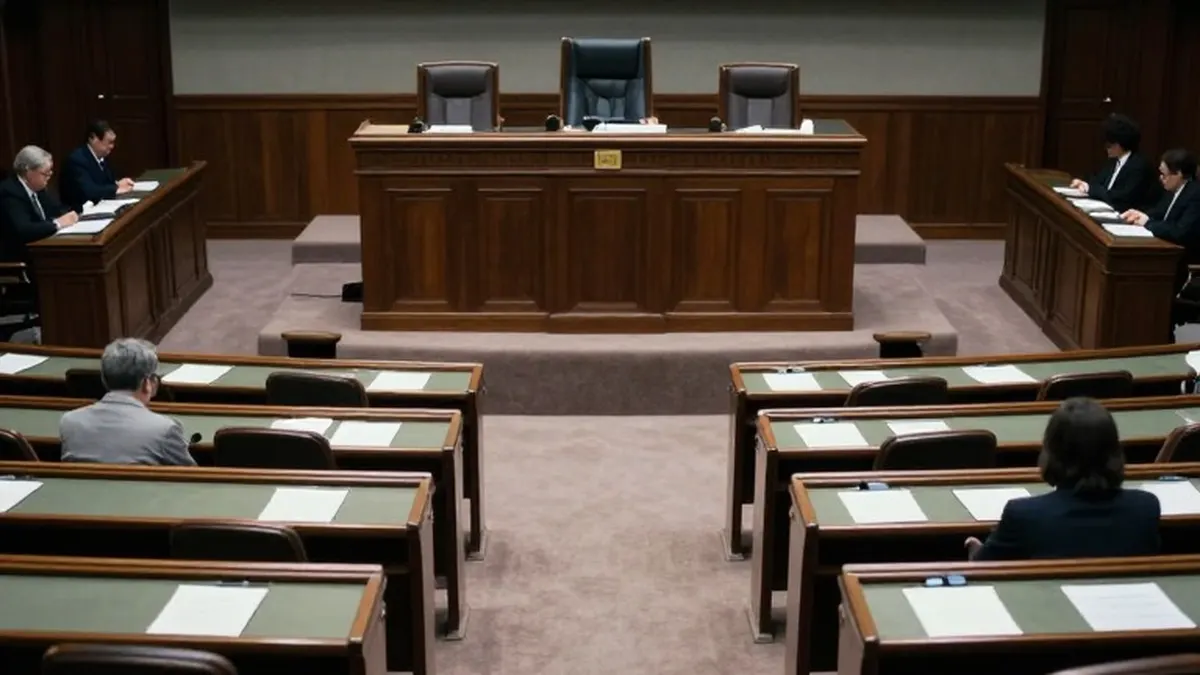
The Supreme Court of Canada issued a ruling on Friday that largely upholds the province of Quebec's controversial ban on religious symbols for public servants. The decision affirms the validity of the law, which was enacted in 2019, while introducing a specific exemption for members of the provincial legislature.
Under the statute, known as Bill 21, individuals providing public services, such as teachers and police officers, are required to remain neutral. The law asserts that citizens have the right to access these services without being exposed to overt religious symbols, including hijabs, turbans, and yarmulkes. However, the Court determined that provincial lawmakers should be permitted to wear religious symbols while serving in the National Assembly.
Chief Justice Richard Wagner provided the rationale for the decision, stating that the law is rooted in Quebec's legitimate and historical commitment to ensuring the secularism of the state within a free and democratic society. This legal framework was designed to protect the province's secular character, a priority for the government that originally passed the bill.
Mathieu Levesque, the interim leader of the right-wing Quebecois nationalist Future Quebec Coalition, which enacted the legislation, described the ruling as a significant victory. He noted that the actions of his party, which governed Quebec from 2018 to 2026, had been fully validated by the court. Although the party later failed to enter parliament and was succeeded by the pro-independence center-left Parti Quebecois, which also supported the bill, the legal precedent remains intact.
The case served as a major test of the powers granted to provincial governments under the notwithstanding clause. By invoking this clause, Quebec was able to pass laws that might otherwise breach provisions of the federal constitution, specifically those guaranteeing freedom of religion. The court's decision clarifies the extent to which provinces can defy these federal constitutional protections.
Critics of the law have long argued that it disproportionately targets Muslim women and weakens legal protections for fundamental rights. Stephen Brown, CEO of the National Council of Canadian Muslims, called the decision an unrestricted license for governments to legislate away the fundamental freedoms and legal rights of Canadians.
Brown highlighted the practical impact of the law, noting that it forced many Muslim women to stop working as teachers or prevented them from volunteering in schools. He emphasized that the ruling sets a precedent that could be applied by other governments across the country.
Emmett Macfarlane, head of political science at the University of Waterloo, offered a sharper critique, describing the law as a form of Islamophobia enacted as state policy. His comments reflect the ongoing debate within Canada regarding the balance between secular governance and religious expression in the public sphere.
The ruling closes a chapter in a legal dispute that has divided the country since the bill's introduction. While supporters view the law as a necessary measure to maintain neutrality in public institutions, opponents see it as a restriction on personal liberty. The Supreme Court's decision leaves the law in place, with the exception for legislators, ensuring that the balance between secularism and religious freedom remains a central issue in Canadian politics.