Expert criticizes new Australian defence bill for secret security provisions
A leading constitutional scholar has called the new defence legislation lazy and irresponsible, warning that secret ministerial powers could undermine democratic oversight and civil liberties.
By Grace Almasi ·
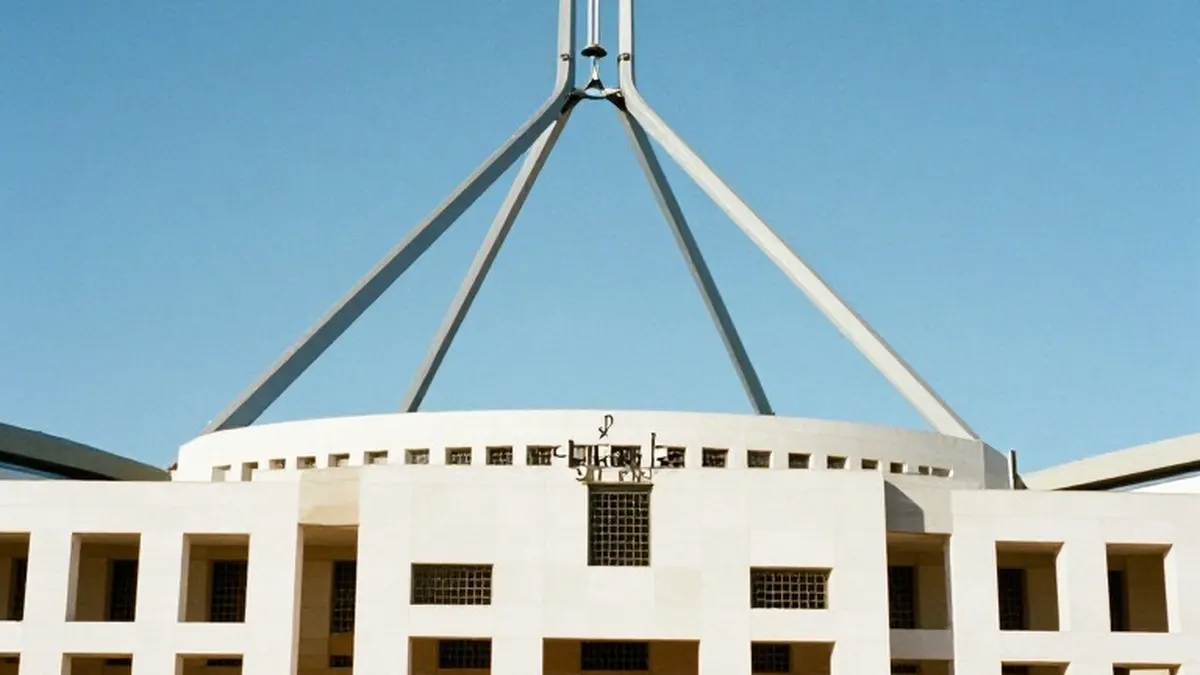
A prominent Australian constitutional law expert has described the government's new defence legislation as a case of lazy and irresponsible lawmaking. The criticism centers on provisions that allow ministers to secretly classify facilities as special security zones, a move that has raised significant concerns about legal accountability and democratic process.
The Accelerating Capability and Protecting Bases bill was rushed through parliament with minimal public scrutiny. Prime Minister Anthony Albanese dismissed critics on Monday, accusing them of jumping at shadows and making absurd claims. However, his comments coincided with a new wave of opposition from crossbenchers and legal scholars who are alarmed by the breadth of the new powers.
Professor Anne Twomey, a professor emerita at the University of Sydney, expressed her alarm in a video posted to her YouTube channel. She described it as flabbergasting that the law was enacted without proper debate or scrutiny. Twomey highlighted the serious nature of permitting secret alterations to Commonwealth, state, and territory laws, noting that this represents a major development in Australian governance.
The legislation introduces strict penalties for entering or photographing designated defence security zones. Individuals found in violation face a maximum penalty of seven years in jail, a fine of $152,880, or both. These zones can include standard defence bases as well as temporary, mobile, or emergency sites, with the specific designation left to the discretion of a minister.
A key feature of the bill is the ability for a minister to issue a capability declaration. This allows certain activities to proceed without contravening other laws, effectively changing how existing state and territory laws apply to defence matters. Notably, such declarations can be withheld from being declared as legislative instruments, adding a layer of secrecy to the process.
The bill passed the Senate last week and received final approval in the lower house on Monday evening. While the Labor and Coalition parties supported the measure, a small group of crossbenchers, including Kate Chaney, Monique Ryan, and Andrew Wilkie, voted against it. Civil society groups, including the Greens and Digital Rights Watch, also voiced strong opposition to the expanded executive powers.
Prime Minister Albanese defended the legislation as practical and necessary for the current global climate. He stated that people should not jump at shadows and emphasized that the country lives in unsafe times with more conflicts worldwide than at any point since World War Two. He argued that accountability would be maintained for designated areas, but the powers were required to handle modern threats.
David Shoebridge, the leader of the Greens, characterized the changes as extreme wartime powers and an assault on civil liberties. He warned that citizens could be charged for breaking laws they were not even aware existed. Other critics, including David Pocock, called the Prime Minister's response disingenuous, arguing that while protection of sensitive facilities is needed, it should not come at the cost of unchecked ministerial power.
Pocock told Guardian Australia that stronger safeguards are needed to protect civil liberties and ensure transparency. He noted that while drones and other technologies pose real threats, handing extraordinary powers to the defence minister without proper checks is problematic. He urged for a better balance between defence needs and community rights.
Professor Twomey further detailed her concerns, noting that the ability to make secret declarations creates serious rule of law issues. She argued that parliament has effectively abandoned its lawmaking and scrutiny roles by giving decision-making power to ministers and senior public servants. This shift, she warned, increases the risk that these powers will be misused in the future.