Houthi advance and third US carrier mark ninth month of regional conflict
Saudi Arabia has replaced its Yemeni coalition commander as Houthi forces close in on Aden, while a third US aircraft carrier arrives in the Middle East amid ongoing tensions with Iran.
By Renata Mehta ·
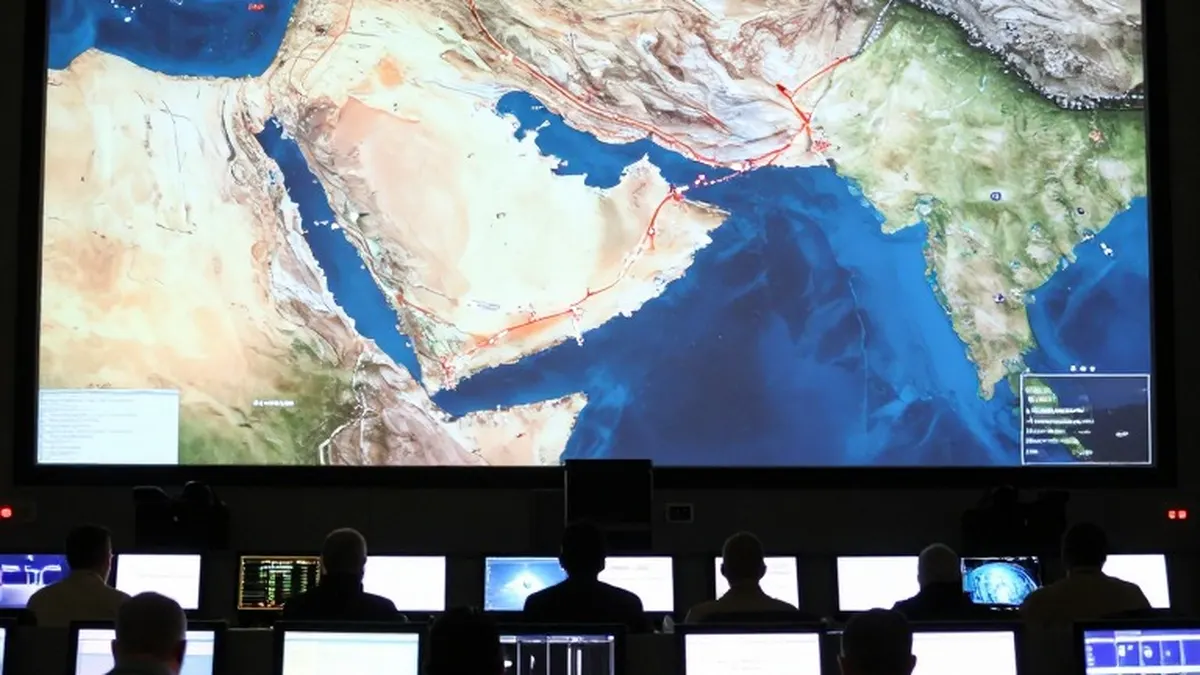
Saudi Arabia has swapped out the commander of its military coalition in Yemen, a move reported by Reuters on Monday. This leadership change comes as Riyadh’s local allies have been compelled to retreat from significant portions of the territory. The strategic shift follows a period of intense pressure on the Kingdom’s partners in the region.
The urgency of the situation is highlighted by the advancing forces of the Iran-backed Houthis. According to sources cited by the AFP news agency, these fighters moved closer to the interim seat of the internationally recognized Yemeni government on Sunday. They were reportedly positioned just 60 kilometers from the city of Aden, prompting government forces to rush to the area to defend the urban center.
This military escalation has intensified the chokehold on the Bab el-Mandeb strait, a critical maritime corridor. Diplomatic correspondent Lazar Berman analyzed the implications of this tightening grip, explaining how the current developments could reshape the geopolitical landscape of the wider region. The strait's vulnerability remains a central concern for global shipping and regional security.
Simultaneously, the US military presence in the area has grown. A third aircraft carrier has arrived in the Middle East as the war with Iran enters its ninth month. This deployment underscores the continued US commitment to the region despite the protracted nature of the conflict. The arrival of the additional naval asset signals a sustained level of readiness and operational capability.
Tensions remain high in Washington and Tehran as the conflict persists. On Monday, the Iranian government issued a firm statement vowing that it would not permit any inspections of its damaged nuclear sites until the conflict formally ended. This stance adds another layer of complexity to the ongoing stalemate, which is being played out with increasing aggressiveness from Tehran in the broader regional context.
In a separate development, a new report from The New York Times has brought fresh scrutiny to past intelligence operations. The publication claims that Israeli agents kidnapped and tortured senior Iranian generals in an effort to locate Ron Arad, a downed air force navigator. In one specific instance described in the report, a general was killed during these operations.
The report offers a detailed account of the methods used to discover the whereabouts of Arad, who has been a subject of significant interest for Israeli military intelligence. The revelations provide insight into the high stakes and sometimes controversial tactics employed in the search for the missing navigator over the years.
These events, ranging from the military shifts in Yemen to the diplomatic standoffs with Iran and the historical intelligence reports, paint a complex picture of the current regional environment. The interplay between local conflicts and broader geopolitical strategies continues to define the situation in the Middle East.
As the war with Iran stretches into its second quarter of a year, the region faces multiple fronts of pressure. The combination of advancing Houthi forces, increased naval deployments, and firm nuclear stances suggests that the path to resolution remains complicated and uncertain for all parties involved.