
Check your card: You may already have travel insurance
Many credit cards offer hidden travel insurance benefits that can save travelers money, but understanding the specific terms and limitations is crucial before relying on them.
By Renata Mehta ·
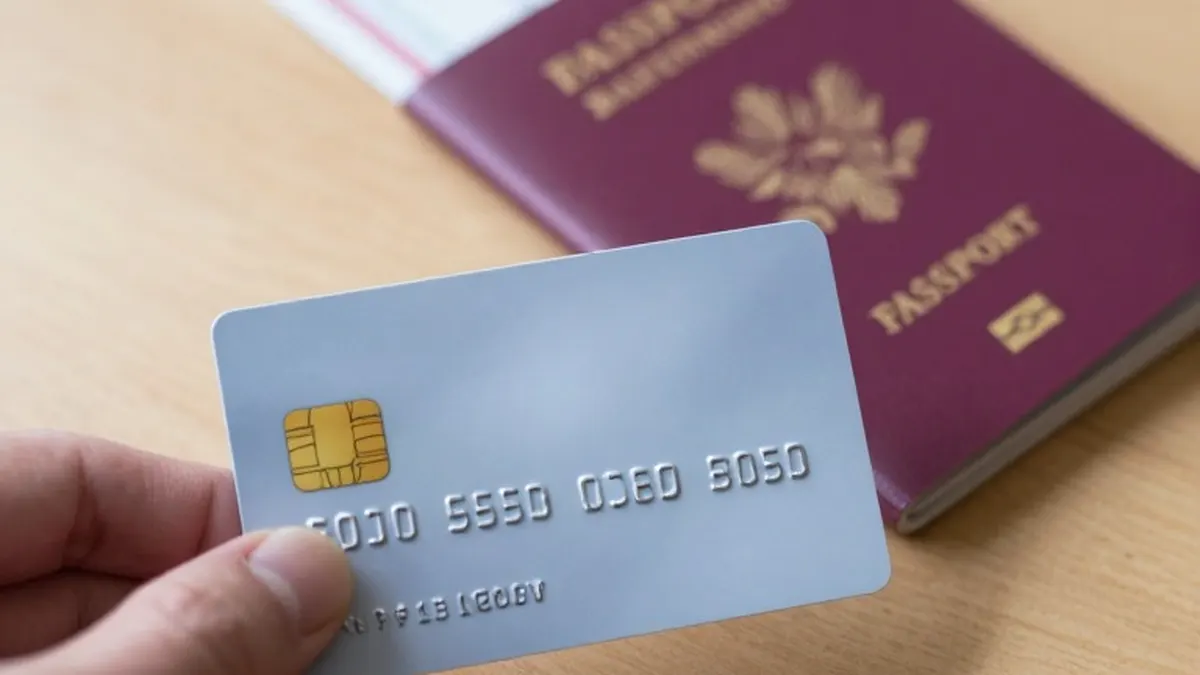
Traveling often involves significant financial commitments before a trip even begins. Expenses for airfare, hotels, and rental cars can be substantial, and unexpected disruptions such as flight cancellations, lost luggage, or medical emergencies can increase costs further. While purchasing a separate travel insurance policy is a common strategy to protect these investments, many travelers may be paying for coverage they already possess through their credit cards.
Certain credit cards include travel insurance benefits that cardholders may not realize. Depending on the specific product, these benefits can provide substantial protection without the need for an additional insurance purchase. However, the scope of these protections varies significantly. Understanding whether your card offers coverage, and the specific terms attached to it, is essential before relying on it for upcoming travel.
The most direct way to determine if your card provides travel insurance is to consult the benefits guide. This document is typically available on the card issuer's website or within your online account. Look for sections labeled as travel benefits, travel protection, or insurance benefits. These guides outline the specific protections available to you.
Common benefits listed in these guides include trip cancellation and interruption coverage, which reimburses eligible nonrefundable expenses if a trip is cut short for covered reasons. Other protections may cover trip delays, providing reimbursement for meals or lodging after a waiting period. Cards may also offer coverage for delayed or lost baggage, rental car protection against theft or collision, and benefits for serious travel-related injuries or accidental death.
If the written guide leaves questions unanswered, it is advisable to contact the card issuer directly. Calling the number on the back of the card allows you to confirm which benefits are active and who qualifies for coverage. It is also important to ask how claims are handled, as some benefits are administered by third-party providers. Knowing the documentation requirements and claim processes before departure can help prevent unexpected complications later.
A critical requirement for many credit card travel benefits is how the trip is paid for. Coverage is not automatic for every trip taken by a cardholder. Many policies require that some or all eligible travel expenses be charged to that specific card. For instance, trip cancellation coverage might require transportation costs to be paid with the card, while rental car coverage often requires the rental to be paid with the card and the collision damage waiver to be declined.
Additionally, coverage limits and exclusions must be reviewed carefully. Credit card insurance may be more limited than standalone policies. Reimbursement amounts for trip cancellations are often capped, and coverage usually applies only to explicitly listed events such as certain illnesses or severe weather. Exclusions frequently include preexisting medical conditions, high-risk activities, or changes made for personal reasons.
One significant distinction is that many credit cards do not provide comprehensive emergency medical insurance or medical evacuation benefits. This can be a notable gap for international travelers. It is important to check maximum reimbursement amounts, covered reasons, and claim-filing deadlines to ensure the existing benefits are sufficient for your needs.
Before purchasing a standalone policy, compare your credit card benefits with the coverage offered by separate insurance products. Focus on medical emergencies, evacuation expenses, and situations your card may exclude. If your card provides substantial protection for a low-cost domestic trip, additional insurance may offer limited value. However, for expensive international vacations or trips with significant nonrefundable expenses, broader coverage may be warranted.
Ultimately, your credit card may already provide valuable travel insurance benefits, potentially saving you money. By reviewing your card's benefits and identifying any gaps before purchasing a separate policy, you can avoid paying twice for overlapping protections. This ensures you are adequately covered if your travel plans go wrong.
More News · National news · Report a business · Got a Story?