Musk Calls Midterm Spending 'Foolish' and Denies MAGA Label
The tech billionaire reflected on his near $500 million election investment and discussed his evolving political views during a virtual appearance at the New York Times DealBook Summit.
By Amit Chukwu ·
Elon Musk has described his significant financial investment in the 2026 midterm elections as a source of personal regret, admitting that he feels "pretty foolish" after Democrats secured sweeping victories in both the House and Senate. The world's wealthiest individual spent nearly $500 million supporting Republican candidates during the campaign cycle. A substantial portion of that sum, approximately $200 million, was allocated to efforts to defeat Senator-elect James Talarico in Texas, a race that was contested by Lone Star State attorney general Ken Paxton.
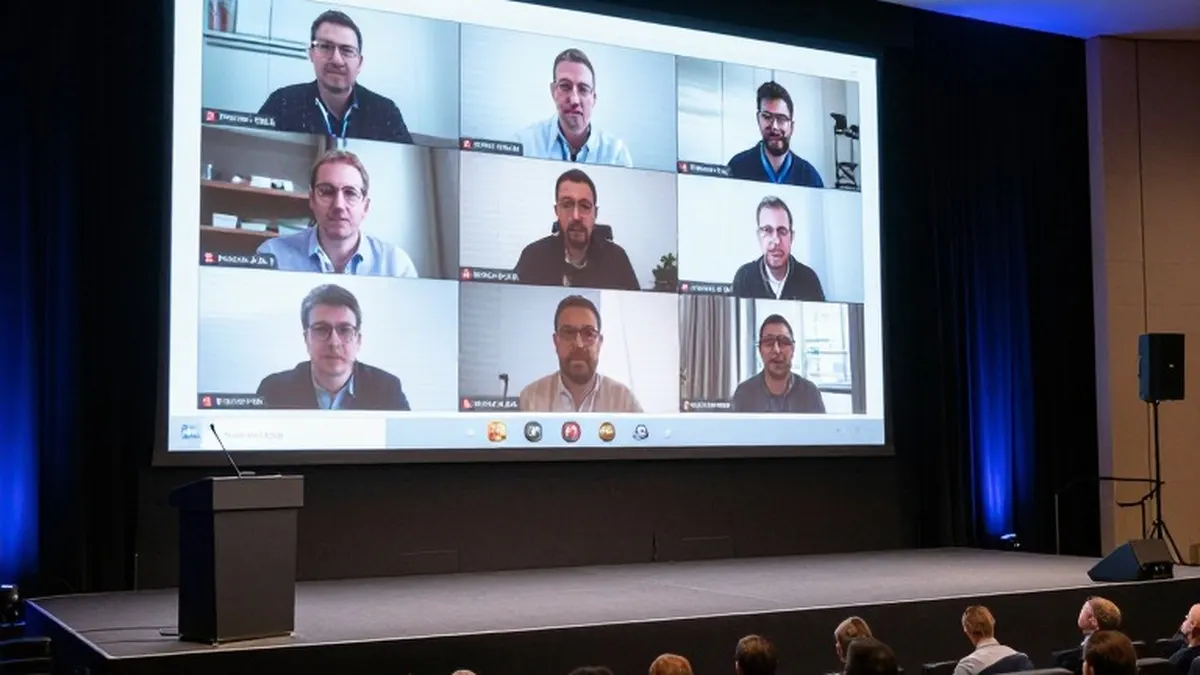
Speaking virtually from China on Wednesday, Musk connected via videoconference to the New York Times 2026 DealBook Summit in New York City. He is currently in the region as part of President Donald Trump's American delegation. While reflecting on the election results, Musk conceded that he had spent considerable money without seeing much tangible return, though he noted that the outcome might have been even worse without his financial support.
The billionaire also weighed in on the political landscape in Texas, where Gina Hinojosa has been elected as the new Democratic governor. Musk expressed optimism regarding Hinojosa's potential tenure, stating that he believes she will be quite moderate rather than a far-left leader. Based on his understanding of her background, he predicted that things would be fine in Texas under her administration.
In a notable departure from recent public imagery, Musk insisted that he is "not MAGA," despite frequently wearing "Make American Great Again" hats and serving as the head of the Department of Government Efficiency, or DOGE, for several months in 2025. He explained that he is unsure what the acronym specifically means but argued that if it implies blind adherence to Republican policies, he does not fit that description. He characterized politics as tribal, comparing partisan loyalty to supporting a hometown sports team, which often prevents individuals from seeing the good in opposing parties or the bad in their own.
Earlier in the conference, Skydance CEO David Ellison revealed that Musk has become an investor in Skydance, a company formed through the merger of Paramount and Warner Bros. Discovery. Ellison described having Musk as a shareholder as an honor and a privilege, although the topic did not arise during Musk's own segment of the event.
Musk also addressed the recent speculation regarding a potential merger between SpaceX and Tesla. He noted that there are increasing areas of overlap and interaction between the two companies that did not exist five years ago. He stated that the decision to combine the entities would ultimately depend on whether they execute better together and create more value, a determination that would be left to shareholders.
The discussion also touched on the resignation of Nvidia CEO Jensen Huang following revelations of personal affairs, including with an alleged Chinese spy and an Nvidia employee. Musk, who has previously suggested Huang be reinstated, compared the removal of the AI company's chief executive to kicking Michael Jordan off a team, while acknowledging that Huang had certainly made some mistakes.
Finally, Musk addressed the controversy surrounding Starlink's restrictions on satellite internet access for the Ukrainian military. He reiterated his position that Starlink is a civilian system not intended for offensive drone strikes that result in casualties. He distinguished it from Starshield, a separate system controlled by the U.S. government, and expressed his preference for not being asked to make kill decisions as a private individual.
Musk's appearance marks his return to the DealBook stage since 2023, when he famously accused advertisers who pulled their ads from X of blackmail. During that previous event, he directed a sharp remark at then-Disney CEO Bob Iger, telling him to "Go fuck yourself." This year, his focus remained on corporate strategy, political identity, and the aftermath of a costly electoral defeat.
More News · National news · Report a business · Got a Story?