New Movie Review: Ariana Grande Joins the Fockers in a Tired Comedy Retread
The latest Fockers installment features a star-studded but uneven cast as the franchise recycles old jokes with only sporadic energy from its newest addition.
By Grace Almasi ·
The release of Focker-in-Law marks a significant milestone in the long-running comedy franchise, arriving 26 years after the original Meet the Parents. The new film highlights the passage of time for its aging stars, as Ben Stiller is now older than Robert De Niro was during the initial release. Despite the temporal shift, the movie feels like a stalled moment in time, relying heavily on recycled plot points and familiar dynamics that have already been explored in four previous feature films.
The production arrives with a sense of exhausted obligation, feeling less like an exciting new chapter and more like a stilted family reunion. While Stiller and De Niro appear to be going through the motions, supporting cast members Owen Wilson, Teri Polo, and Blythe Danner offer even less energy. Dustin Hoffman and Barbra Streisand are notably absent, appearing only through a brief script reference, which further emphasizes the film's reliance on its core duo.
Ariana Grande emerges as the brightest presence in the film, bringing a peppy charisma that stands out against the otherwise haggard tone. Joining the series after her work in Wicked, Grande appears genuinely eager to prove her comedic skills. She takes on the role of Olivia, a former FBI hostage negotiator turned executive leadership coach, who becomes the girlfriend of Greg Focker's son, Henry.
Grande's character is designed to occupy the same narrative space that Greg Focker held in the first film, serving as the newcomer to the family. However, where Greg was a hapless social disaster, Olivia is portrayed as collected and capable. Her competence immediately wins over the family, particularly Jack Byrnes, who is impressed by her background and demeanor. This setup creates a dynamic where Grande's character is often the one besting Stiller's bumbling persona.
The central conflict arises from a contrived animosity between Greg and Olivia, sparked by a misunderstanding on a flight to Jack's 80th birthday party. This tension drives a series of competitive scenarios, including a cookoff and a bicycle race, which aim to recreate the farcical tension of the original film. However, these face-offs often feel cringey rather than funny, lacking the chemistry that defined the interactions between De Niro and Stiller in earlier entries.
The script attempts to add emotional weight with a subplot about Henry's future medical studies, but the character is played as a formless dullard by Skyler Gisondo, making the stakes feel low. Beanie Feldstein appears as Henry's twin sister, Samantha, in a minor role that adds little to the narrative. The film feels over-populated with supporting characters, including Eduardo Franco as Samantha's boyfriend, whose presence often adds to the clutter rather than the comedy.
Robert De Niro, who is traditionally the driving force of the series, frequently fades into the background in this installment. The most genuinely hilarious moment in the film occurs between the two male leads, involving a misplaced serenade to a John Legend ballad. This scene stands out because it relies on the established rapport between the stars rather than the newer dynamic with Grande.
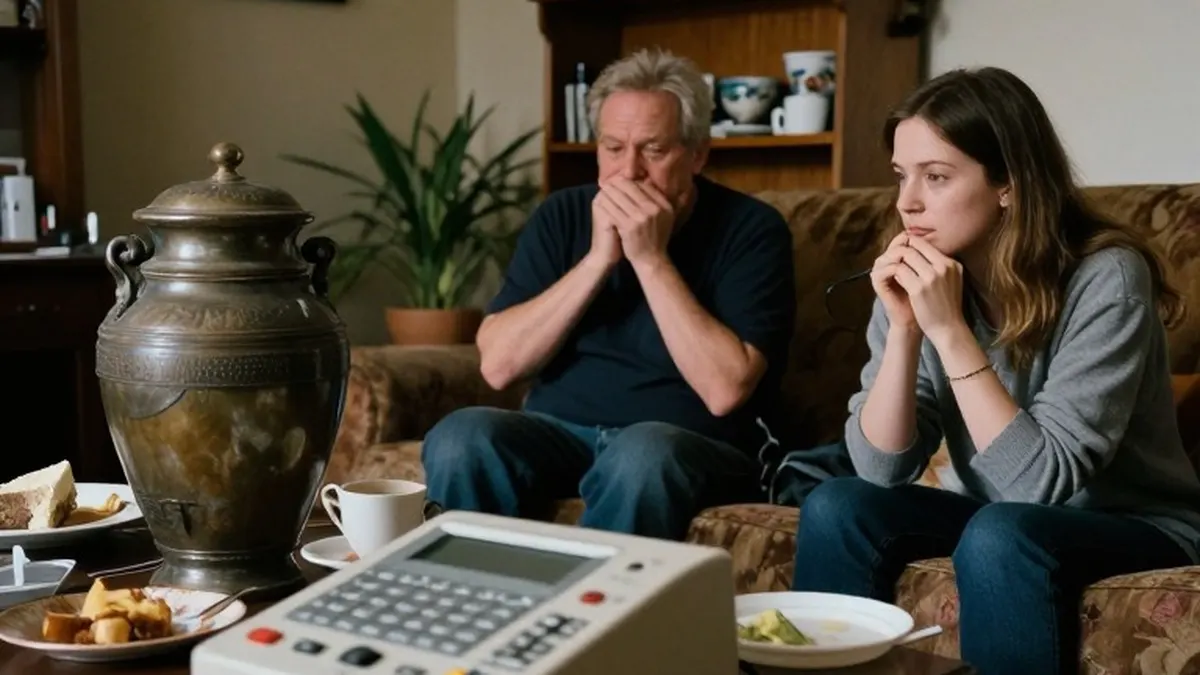
Director John Hamburg, who wrote the previous three entries, relies heavily on past jokes and props to elicit laughter, referencing items like an urn, a polygraph machine, and a taxidermied cat. While these callbacks remind audiences of previous films, they do not always result in fresh humor. The movie ends with a teaser for a future sequel involving Olivia's parents, prompting a sense of existential dread about the franchise's longevity.
Ultimately, Focker-in-Law feels like a favorite dad joke told too many times. The franchise grows staler with each spin, and while Grande's efforts provide some spark, the film struggles to find a new voice. The result is a comedy that acknowledges how old the characters have become, but fails to make the most of that reality, suggesting the Fockers may well outlive their audience.
More News · National news · Report a business · Got a Story?