Google bets on volcanic geothermal tech to power AI data centers
Google has signed a deal with Quaise Energy to use advanced geothermal technology in Oregon to power its AI data centers, marking a major bet on next-generation renewable energy.
By Grace Almasi ·
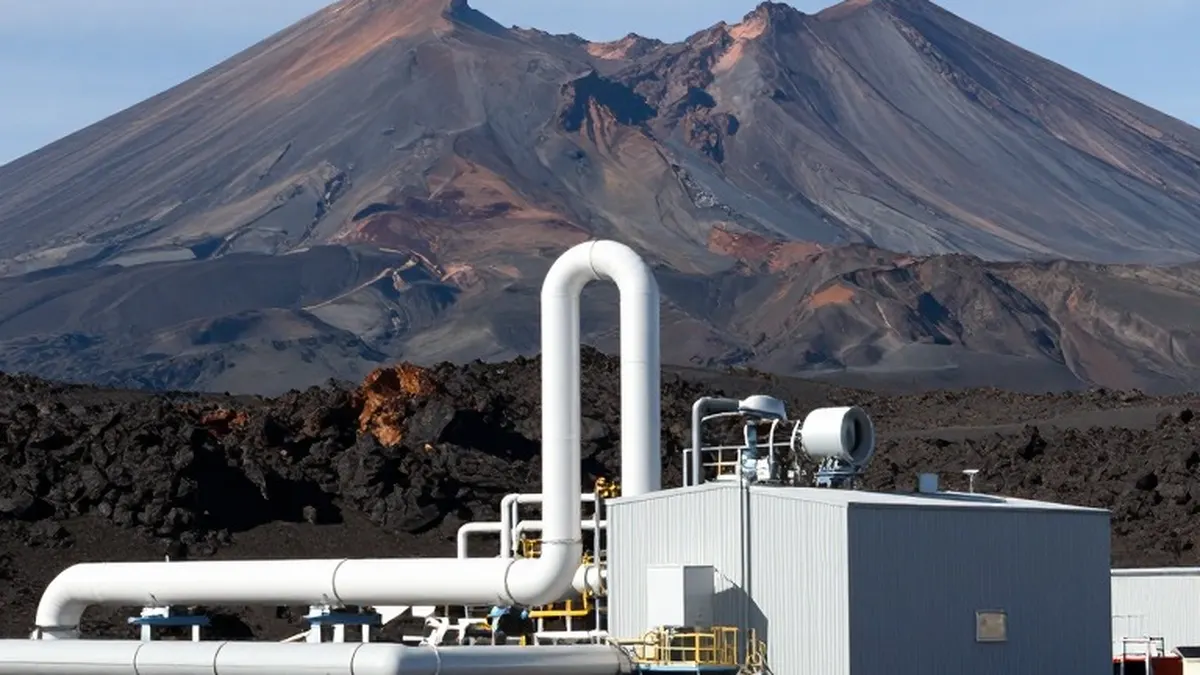
Alphabet’s Google has signed a significant power purchase agreement with Quaise Energy, a startup developing advanced geothermal technology. The deal, announced on Tuesday, involves a 50-megawatt supply of electricity intended to support Google’s existing data center operations in The Dalles, Oregon. This move represents a multimillion-dollar investment in a novel energy solution that utilizes the heat found deep beneath the Earth’s surface.
The specific site for this initiative is Project Obsidian, located on the flank of the Newberry Volcano in central Oregon. According to the Wall Street Journal, the total value of the agreement is reportedly above $500 million, although neither company has disclosed the exact price or the structural details of the deal. Google aims to begin reaping the benefits of this power supply as early as 2030, marking a crucial timeline for the deployment of this new infrastructure.
The technology at the heart of this project diverges from traditional drilling methods. Instead of using mechanical drill bits to grind through rock, Quaise employs a device known as a gyrotron. This tool, originally used in fusion research, generates millimeter waves that melt rock. This approach allows geothermal wells to reach greater depths and higher temperatures than conventional drilling techniques would permit.
Geothermal energy offers a distinct advantage over other renewable sources such as solar and wind. It provides a consistent, around-the-clock supply of clean electricity by harnessing the Earth's internal heat to spin turbines. This reliability is particularly attractive to tech giants that require stable power for their energy-intensive data centers.
The agreement comes at a time when major technology companies are actively seeking off-grid or clean energy sources to meet the surging demand for AI computing. The industry faces growing criticism that data centers are consuming excessive amounts of power, which can contribute to higher electricity bills for consumers. By investing in this volcanic energy project, Google is attempting to address these concerns while securing a steady power supply for its artificial intelligence infrastructure.
Quaise Energy is not operating alone in this venture. The startup has secured backing from several investors, including Nabors, a major oilfield services company. This partnership suggests a convergence of traditional energy expertise with next-generation geothermal innovation. The involvement of established players lends credibility to the startup’s ambitious goals in the renewable energy sector.
However, analysts remain cautious about the maturity of the technology. A note from Bernstein analysts described the deal as a bet on a first-of-a-kind technology. They pointed out that Quaise’s field record is currently thin, citing shallow demonstration holes rather than fully produced wells. Consequently, Project Obsidian serves as a critical proof point for the company, demonstrating the viability of its rock-melting approach in a real-world, large-scale application.
Despite the risks, the analysts viewed the project as a positive signal for the future of geothermal energy. They argued that the next generation of geothermal technology is the only viable path for the industry to reach significant scale. This perspective aligns with broader market trends, as other financial institutions have recently highlighted recent advancements in geothermal power generation.
Earlier this month, analysts at Morgan Stanley emphasized several recent leaps in geothermal technology. They noted that some of the tools driving these improvements are the same innovations that enabled the U.S. oil and gas shale revolution. This historical parallel suggests that geothermal energy may be entering a phase of rapid growth and technological refinement, driven by the urgent need for reliable, clean power to support the expanding world of AI.
The collaboration between Google and Quaise Energy underscores the broader strategy of Big Tech to diversify its energy portfolio. By turning to a volcano and experimental melting technology, the company is positioning itself at the forefront of a potential energy revolution. The success of Project Obsidian will likely determine whether such unconventional geothermal methods can become a standard component of the global data center power grid.
More News · National news · Report a business · Got a Story?