GTA VI's Satirical Puzzler Tenebrae Lux Sparks Conversation on Indie Culture
A moody, pretentious puzzle game embedded within Grand Theft Auto VI has prompted indie developers to reflect on the relationship between small studios and the industry's biggest blockbuster.
By Amit Chukwu ·
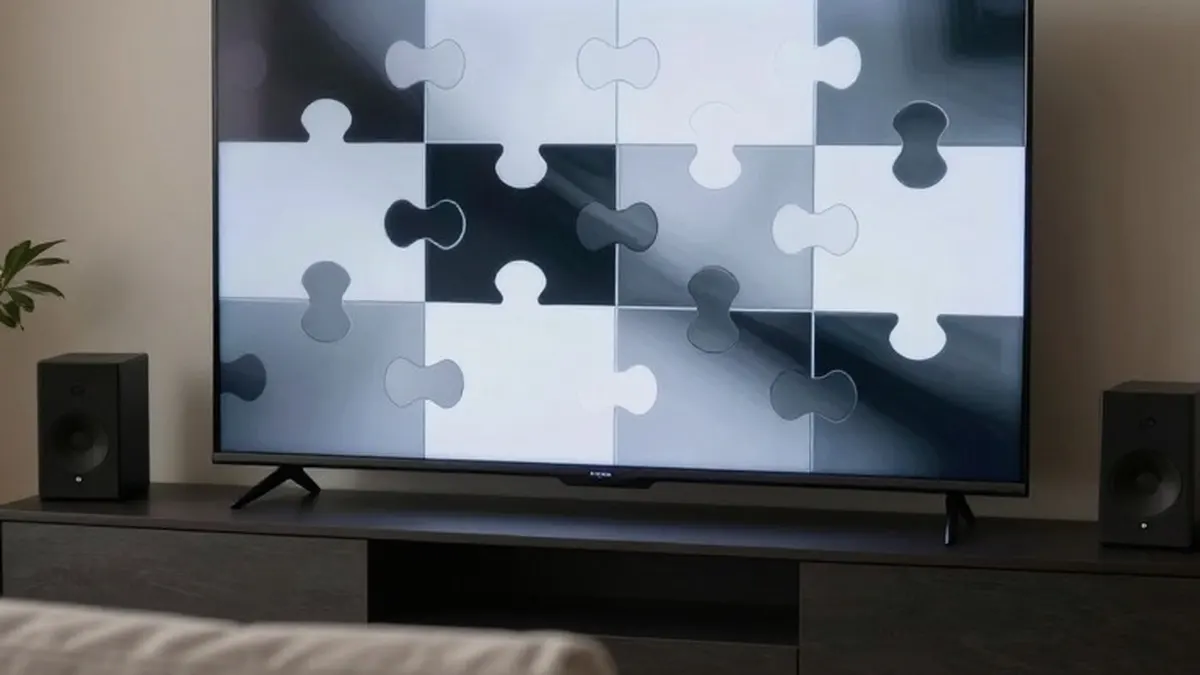
Grand Theft Auto VI has introduced a unique in-game experience that is generating significant discussion among game developers. Titled Tenebrae Lux, this title is a moody, black-and-white puzzler featuring a protagonist who constantly narrates his actions in dramatic language. The credits for the game are attributed almost entirely to a single developer named Johannes Zuch. The design appears to mock well-known arthouse titles such as Jonathan Blow's The Witness and The Chinese Room's Dear Esther, sparking debate about the dynamic between independent creators and major studios.
Rockstar Games has filled the expansive world of GTA VI with satirical media, including television shows, books, and radio programs. These elements are designed to create a funhouse-mirror reflection of current reality. For example, actor Jason Sudeikis, known for Ted Lasso, voices a right-wing radio host within the game. While other playable games exist in the open world, such as a zombie-themed roguelike, Tenebrae Lux has struck a particular chord because it is encountered during the main storyline.
Indie developer Robert Yang noted the humor in such a massive blockbuster targeting the arthouse indie scene. He described the situation to The Verge as a fighter jet becoming obsessed with an ant, calling it petty in a funny way. This observation highlights the vast financial gap between Rockstar and smaller studios, especially considering that GTA VI earned $3.79 billion in its first day alone.
Yang suggested that the developers at Rockstar are likely well-versed in the experimental games they are lampooning. He argued that most competent AAA developers play a wide variety of indie experimental titles. Specifically, he pointed out that environmental artists and level designers at Rockstar probably enjoy Dear Esther, a 2012 first-person game that helped popularize the walking sim genre.
Sam Barlow, another indie developer, expressed that the inclusion of Tenebrae Lux made him feel like a part of a larger cultural conversation. He was taken by the fact that millions of players had to sit through an extended gag about indie games. Barlow hopes that this exposure will encourage some players to seek out the actual arty indie titles that inspired the in-game satire.
Rockstar demonstrates self-awareness by using its own medium to poke fun at gaming conventions. In a prelude to playing Tenebrae Lux, the character Cal Hampton hypes up the game by claiming it does not involve sitting around waiting for dialogue to finish. Players initially experience only a few minutes of Tenebrae Lux, enough to become stumped by the initial puzzles before the narrative cuts back to Jason Duval, the main protagonist, who appears bored.
Jason asks if there is anything else to play that is less complex. The characters then proceed to play a zombie game titled Street Trash 3 Dezombifier. Players who wish to continue with the pretentious puzzler can return to Tenebrae Lux later in the game to complete the experience.
Barlow commented that the narrative cut felt true to the character and the story. He acknowledged that there is more to the puzzle game but found it natural to hit a design wall and move on to other activities. This reaction mirrors the intended satirical tone of the segment.
Yang also offered a design perspective, noting that GTA VI shares more structural similarities with Tenebrae Lux than with the zombie game. He described GTA VI as essentially a walking sim where players roam around Florida and listen to conversations. When asked about the difference between the two experiences, Yang jokingly concluded that the answer is simply a billion dollars.
More News · National news · Report a business · Got a Story?