Harbinger Raises $240 Million to Build Medium-Duty Electric Trucks
The startup targets commercial fleets with a vertically integrated production model after securing major contracts with FedEx and the US military.
By Grace Almasi ·
The commercial vehicle sector has seen major automakers pull back from their initial electric vehicle pushes. Amidst this retreat, a new competitor has emerged with substantial capital and specific market targets.
Harbinger, an electric truck manufacturer based in the United States, has closed a Series D funding round worth $240 million. The company secured this capital earlier in November 2026. This raise follows two major commercial wins that occurred in recent months.
FedEx has placed a $300 million order for Harbinger vehicles. Additionally, the US military has signed a defense contract with the company. These agreements provide Harbinger with immediate revenue and a high-profile customer base. They also distinguish the firm from smaller startups that lack established enterprise partnerships.
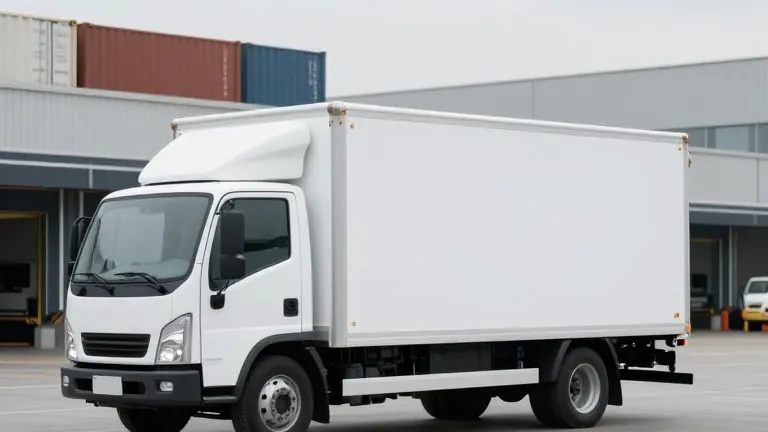
CEO John Harris stated that Harbinger intentionally avoids the consumer market. The company focuses on Class 4 through Class 6 delivery vans and box trucks. Harris argued that large automakers often neglect these specific segments. He noted that these vehicles are essential for economic operations but are often overlooked by major manufacturers. The company aims to solve logistical issues that businesses have long accepted as unavoidable costs.
Harbinger was founded in 2021 by executives with prior experience at Canoo, QuantumScape, and Faraday Future. The founders identified a gap in the automotive market. They observed that passenger car platforms lack the durability required for commercial use. Conversely, heavy-duty platforms are often too costly and bulky for medium-duty applications. Harris described the space between Class 1 and Class 8 vehicles as a wasteland that is too small for large automakers to prioritize.
Ford and General Motors previously attempted to electrify this segment with models such as the E-Transit and BrightDrop. Slow sales and the removal of federal incentives led to the discontinuation or cancellation of these vehicles. Harris believes large automakers are poorly suited for this task due to their reliance on third-party suppliers. This reliance spreads out development efforts and increases costs, making it difficult to achieve a strong return on investment. In contrast, Harbinger pursues a vertically integrated approach. The company assembles its own battery packs and drive units in-house and plans to produce inverters internally as well.
Harris and his co-founders have experienced failure in previous ventures. Canoo, where Harris held a position, filed for bankruptcy in 2025. Harris previously worked at Faraday Future, Xos Trucks, and Anduril. He noted that his past companies failed due to market fit and leadership issues rather than engineering flaws. He emphasized that electric vehicles are only viable when they are competitive in acquisition price with their combustion engine counterparts. He stated that meeting this standard requires vertical integration.
Harbinger offers both battery-electric and plug-in hybrid powertrains for its medium-duty trucks. The company is not currently pursuing Class 8 heavy-duty trucks. Harris believes the economics of electric long-haul trucking are not yet workable for the majority of the market. He has suggested placing the Tesla Semi on a watch list alongside the Cybertruck, indicating his view that these are niche markets rather than primary growth areas.
The company is expanding into energy storage and military technology. Harbinger supplies battery power systems to Airstream. It also partners with American Rheinmetall and Forterra to develop self-driving hybrid supply vehicles for the US Army. The startup recently acquired Phantom AI to integrate advanced driver-assistance features into commercial fleets. The goal is to provide companies with measurable returns on their safety investments.
With the new capital and existing contracts, Harbinger has addressed the funding hurdles that affected its founders' previous projects. The next challenge for the company is proving its ability to build these vehicles at scale. Harris noted that the automotive industry is punishingly difficult but also represents a massive opportunity. Success in this sector can translate to dominance in other markets where competition is generally weaker.
More Business · National news · Customer Complaints · Report a business · Got a Story?