Iowa Army Plant Set to Detonate Unstable Lead Chemicals
The U.S. Army plans to detonate five tons of unstable bomb-making chemicals in southeast Iowa, prompting evacuations and health concerns among nearby residents.
By Renata Mehta ·
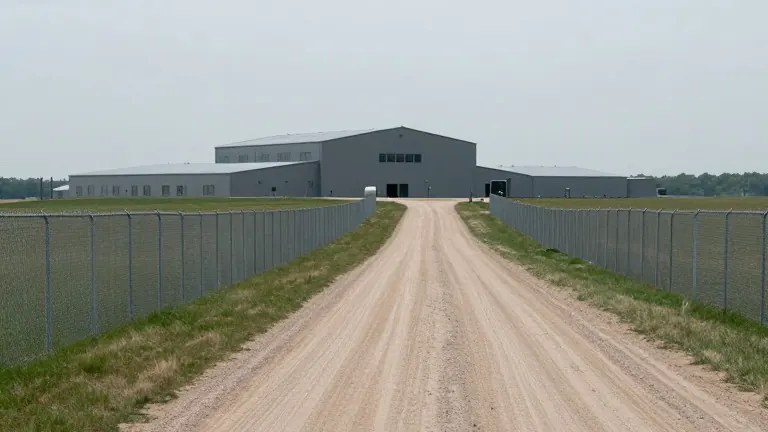
The U.S. Army is preparing to detonate approximately five tons of bomb-making chemicals at the Iowa Army Ammunition Plant in southeast Iowa. The operation, scheduled for Friday, involves the disposal of lead azide that has become unusable and potentially explosive if moved. Residents in the area are concerned that the blasts will release a cloud of lead dust, raising fears of environmental contamination and health issues.
The lead azide had been stored for more than 20 years in earthen-covered containers, submerged in a mixture of ethanol and water to maintain stability. During a routine inspection earlier this year, officials discovered that some of the liquid had evaporated, causing the chemical to crystallize. This crystallization has made the material highly sensitive to friction and shock, creating a dangerous situation that increases in risk during cold weather.
Because moving the barrels posed an unacceptable risk of accidental detonation, the Army decided to blast them in place. The Environmental Protection Agency approved an emergency permit on November 13, allowing for the detonation. The permit requires the military to track air and dust dispersion and notify the public five days in advance.
Officials have advised residents of the nearby town of Middletown, which has a population of nearly 400, to vacate the area on the morning of the detonation. Those unable to leave should stay indoors with windows and doors closed. An advisory states that the blasts will produce an air plume containing lead particles that will settle on the ground. Lead is toxic to humans and animals, and the goal of the advisory is to minimize exposure.
The dust cloud is expected to drift north, potentially affecting communities up to 100 miles away. In the town of Mediapolis, located less than 20 miles northeast, officials learned of their potential exposure on Sunday when a map placed the town in the center of the projected dust path. The Mediapolis Community School District announced that schools would be closed on Friday due to uncontrollable variables, and the local fire department plans to hose down playgrounds to remove potential lead particles.
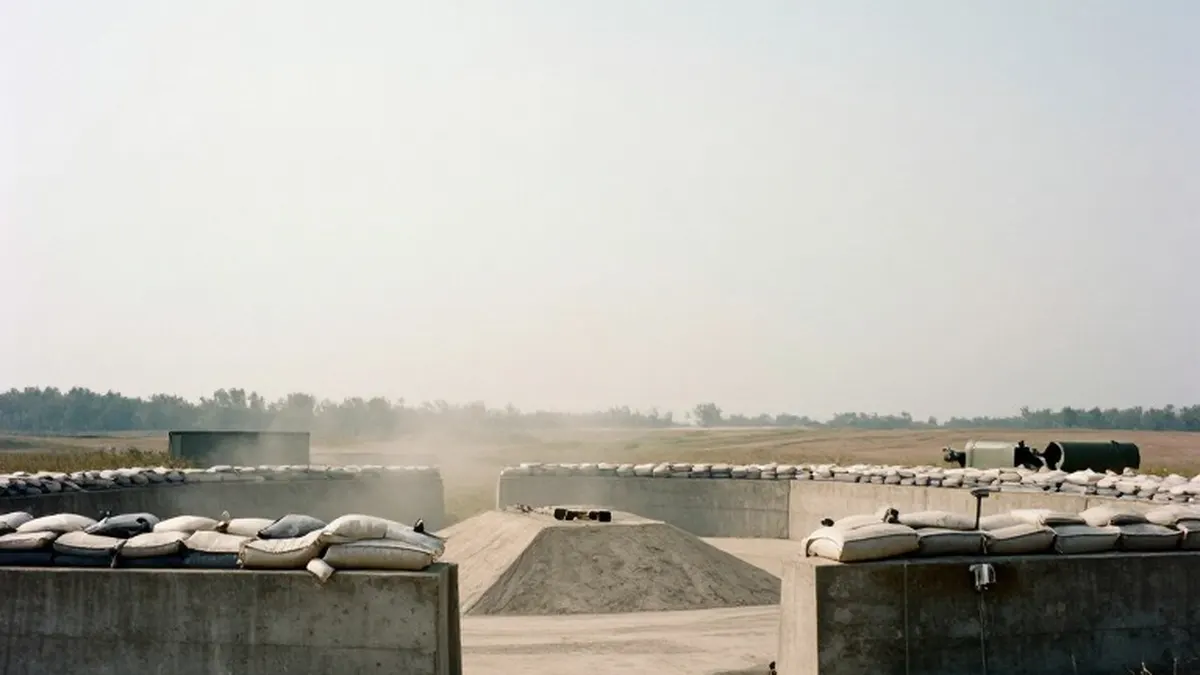
The Army has implemented several safety measures to contain the debris. The barrels are surrounded by concrete and buried under soil, with sand barriers stacked two stories high around the site. During the detonation, water will be sprayed on the soil and the air to help keep the majority of the lead on Army property. A panel of experts in munitions chemistry, engineering, and environmental safety designed the detonation plan.
Despite these precautions, residents have expressed concern on social media about whether washing cars and cleaning surfaces will be sufficient. Lt. Col. Daniel Nosse, the plant commander, emphasized that the safety of neighbors is non-negotiable. The Army acknowledged that the chemical compound is volatile and requires careful handling.
Environmental and public health officials in Illinois have also taken notice, urging the military to conduct comprehensive sampling in their state following the blasts. The EPA will establish a command center in Mediapolis to sample air, soil, and water during and after the event, while the city will conduct its own testing to reassure residents.
Patrick O’Shaughnessy, a professor at the University of Iowa, noted that while the efforts to minimize dust are encouraging, it remains unknown how much lead will end up in the atmosphere. He highlighted that lead is a neurological toxicant that can impact brain development, particularly in young children who are prone to putting objects in their mouths.
The Iowa Governor’s office was first briefed on the public advisory on Monday. The detonation is expected to produce quick vibrations that could break old windows, and the resulting dust is anticipated to linger for no more than one hour, depending on wind speed.
More News · National news · Report a business · Got a Story?