Defense Minister Katz states IDF prepared to evacuate West Bank neighborhoods to counter terrorism
Israel Katz argues that the recent operation in Hebron served as a successful deterrent model, despite earlier political and legal controversies surrounding the temporary displacement of residents.
By Amit Chukwu ·

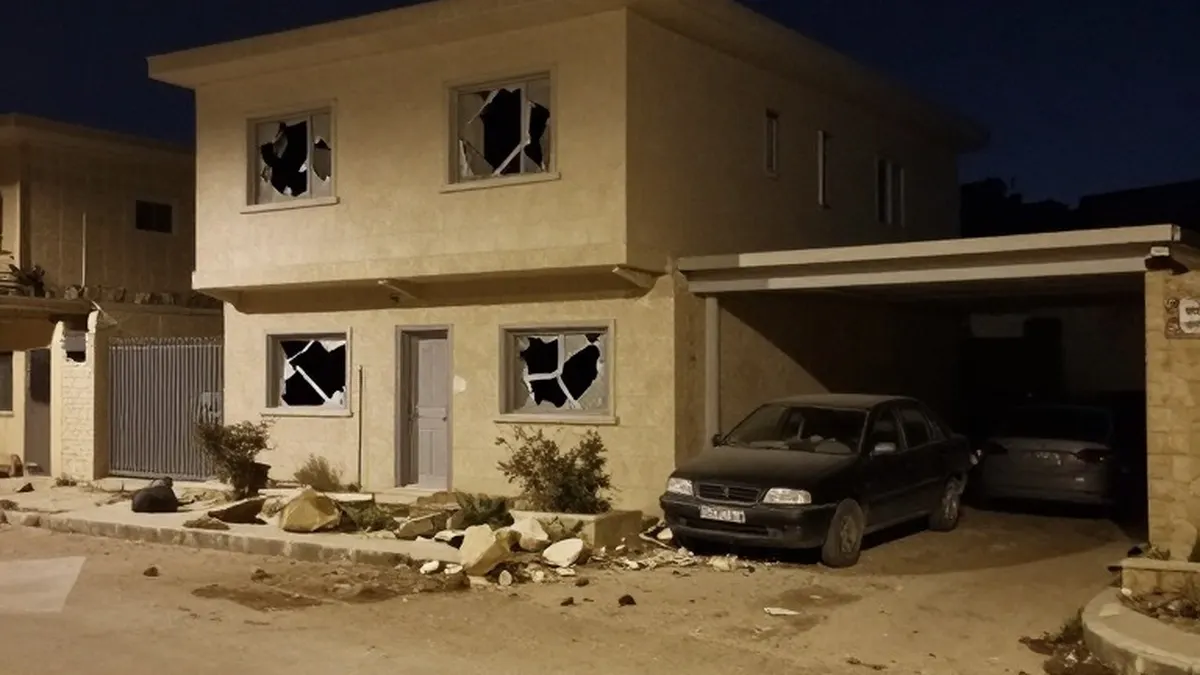
Defense Minister Israel Katz announced on Tuesday that the Israel Defense Forces are prepared to evacuate any Palestinian neighborhood in the West Bank if such action is deemed necessary to respond to future terror attacks. Katz made these remarks while reviewing the recent military operation in Hebron, which took place on October 23 and 24. He characterized the evacuation as a substantial success in deterring violence and described it as a model for future security operations.
The initial military response involved the occupation of a specific Hebron neighborhood following a deadly Hamas attack. At the time, officials stated that the perpetrators were linked to a broader Hamas clan within the area. However, the military never provided concrete evidence connecting the majority of the 2,000 evacuated residents to any specific crime, a point that drew significant attention.
The operation faced intense legal scrutiny before the High Court of Justice, with critics arguing that the mass evacuation constituted potentially illegal collective punishment. The court also criticized the IDF for demolishing certain structures in Hebron before receiving the necessary approvals. Despite these legal challenges, Katz cited a recent Shin Bet report indicating that the two-week operation significantly reduced terrorism originating from that specific neighborhood.
Katz suggested that the findings of the intelligence report will assist the government and the IDF in addressing legal objections to similar evacuations in the future. While he did not claim that this tactic would be used universally, he emphasized its utility in situations where a specific neighborhood can be identified as having a direct link to a terror incident.
The execution of the Hebron operation was marked by internal disagreements regarding its duration. Prime Minister Benjamin Netanyahu rejected a clear recommendation from IDF Chief of Staff Lt. Gen. Eyal Zamir to withdraw after only two days on October 25. This decision would have allowed the evacuated Palestinians to return to their homes sooner.
The refusal led to a confrontation between the Prime Minister and the military chief, details of which eventually leaked to the media. Speculation arose that Netanyahu resisted the early withdrawal due to the approaching October 27 election and a concern that a rapid change in the situation could negatively impact the Likud party's standing in the Knesset.
The IDF ultimately withdrew from the neighborhood by November 2, permitting the return of the Palestinian residents. During discussions about the withdrawal, military sources avoided referencing the disagreement between Netanyahu and Zamir. Instead, the timing of the exit was presented as occurring after the demolition of an additional house belonging to a terrorist.
While Katz portrays the operation as a clear success, the real-time dynamics were complex. It remains unclear whether future similar operations will follow the two-day timeline recommended by military leadership or the longer duration preferred by the Prime Minister during the Hebron incident.