Fans in Doha urge separation of politics from India-Pakistan cricket rivalry
Despite on-field tensions, supporters in Qatar emphasize the cultural unity of the India-Pakistan cricket fanbase.
By Renata Mehta ·
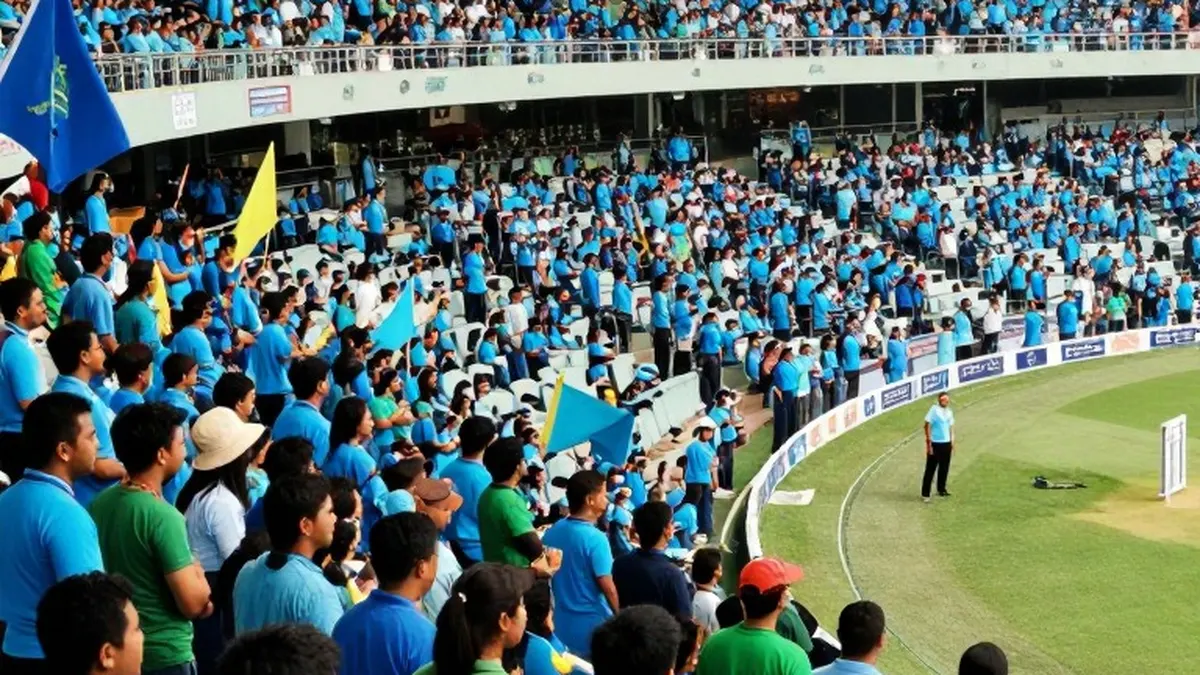
Cricket enthusiasts from India and Pakistan gathered in Doha, Qatar, for the Asia Cup Rising Stars 2026, bringing the intense atmosphere of the World Cup to the Middle Eastern capital. The match on Sunday featured the familiar elements of the rivalry, including heated exchanges, scowling faces, and physical confrontations that often define encounters between these two nations.
The temperature on the pitch mirrored the hot afternoon as India’s fast bowler Harshit Rana engaged in a tense verbal exchange with Pakistan’s top-order batters shortly after Pakistan chose to bat first. Dismissed batters received hostile send-offs, and the tension persisted throughout the game, which concluded with India falling 48 runs short of the target, resulting in a rare victory for Pakistan.
While the players followed a competitive script, the supporters in the stands demonstrated a different dynamic. Although the West End International Cricket Stadium took a few hours to fill due to Sunday being the first working day of the week in Qatar, attendance approached the venue's 10,000-person capacity by the second half of the match.
Fans from both countries, along with neutral spectators, mingled freely in the stands. They wore their respective team shirts, waved national flags, and chanted the names of their players without strict segregation. For many attendees, the shared passion for the sport transcended the political divide.
Mohammed Saeed Khan, from Mumbai, and his Pakistani friend Abrar Hussain, from Karachi, sat side by side in the stadium. The two are friends who have known each other for over six years and teammates in a weekend cricket league in Doha. Khan, wearing a replica Indian blue shirt, noted that they share accommodation, meals, and a love for the game that goes beyond rivalry.
Both men expressed disappointment at what they described as the politicization of cricket. Hussain stated that politics should stay out of the game, emphasizing that cricket is close to their hearts and they do not want it spoiled. Khan added that while many players do not want to engage in aggression, they are often forced into the act by politicians, with the younger generation following suit.
Recent cricket encounters between the nations, spanning senior men's teams, women's sides, and age-group teams, have become heavily politicized following the intense four-day conflict in May. In the Men's Asia Cup 2025, four months after the conflict, Indian players avoided handshakes with their Pakistani counterparts and made gestures linked to the aerial fight. The tournament ended with the winning Indian team refusing the trophy from the head of the Asian Cricket Council, a Pakistani official.
This pattern of behavior has extended to other levels, including the Under-19 Asia Cup, where Indian players' conduct after a win drew criticism. Khan argued that cricket boards should take disciplinary action to ensure such behavior is not passed on to the next generation. Hussain agreed, calling it a worrying sign that young cricketers are adopting these tactics, which he believes poisons the future of the game.
The tournament venue is located in Asian Town, a Doha suburb inhabited by South Asian migrants working in the capital’s Industrial Area. For thousands of workers, having matches in their home nations' teams in their neighborhood provides a welcome break from their daily routine. The proximity of the stadium to their accommodation adds to the appeal of the event.
Avinash Daniel, a railway engineer from New Delhi, brought his young family and two friends to the match after hearing about the fixture. He described it as a wonderful cultural experience, noting that the stands were a mix of Indian and Pakistani fans who were happily mingling. Daniel observed that there were no distinct Indian or Pakistani sections, and he believed the politicization of the sport benefits politicians rather than the fans or players. He noted that after the match, fans from both nations would likely enjoy the same traditional Arab rice and meat dish, cooked by people from both countries, symbolizing their shared experience.