Russian-linked AI videos target Ohio and Texas Senate candidates
Clemson and Dartmouth researchers say the clips, which misuse real names, likely originate from the same network that targeted 2024 Democratic nominees.
By Renata Mehta ·
Voters in Ohio and Texas are facing artificial intelligence generated videos that use the names and photographs of real individuals to criticize two Democratic Senate candidates. The clips appeared on social media during the final days of midterm voting.
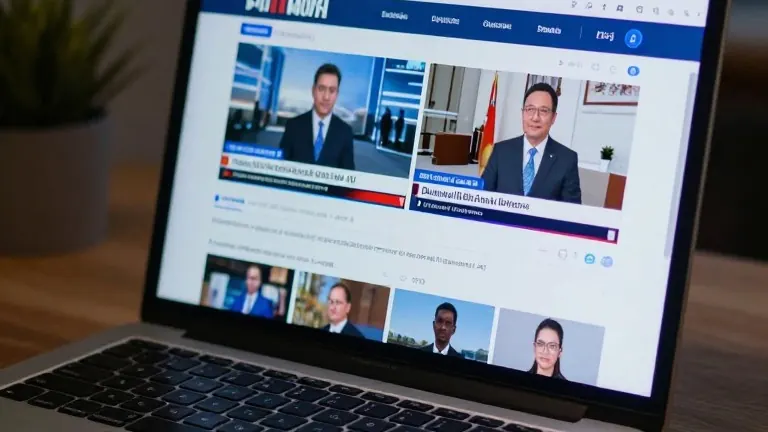
One video targets Sherrod Brown, who is running against Republican Sen. Jon Husted in Ohio. The clip mimics a newscast and features a photograph of Haya Akbik, a former Brown intern. Akbik told the Associated Press that any claims attributed to her in the footage are completely made up.
"It's my name, it's my reputation, making this allegation, and it's just completely false," Akbik said. "And it harms the senator, someone else, in the process. So, it's just messed up."
The second video targets James Talarico, who is running against Republican Ken Paxton for a Senate seat in Texas. The clip is framed as a direct to camera confession from a former student of Talarico. JT Ennis, a spokesperson for Talarico, said the campaign is using the videos to slander the candidate with AI deepfakes and foreign bots.
Darren Linvill, a media forensics expert at Clemson University, stated that the accounts sharing the new material had also shared content from a Russian network called Storm-1516. That network targeted Kamala Harris and Tim Walz two years ago. Linvill believes the new clips are likely products of the same group.
Hany Farid, a professor at Dartmouth College who studies deepfakes, analyzed both videos. He described the Ohio clip as a fairly low-tech fake. He said the Texas video is likely generated by AI and is consistent with previous disinformation campaigns released close to Election Day.
X removed the initial posts and suspended the users for violating platform rules. Copies of the videos remained online Tuesday, with some reaching hundreds of shares. The Russian Embassy and the U.S. Cybersecurity and Infrastructure Security Agency did not respond to requests for comment.
Akbik said the incident shows the importance of Congress regulating AI content online. She described the experience as so damaging to her personal reputation.
Source: WDIV ClickOnDetroit