Tesla sets Cybercab sale date
Tesla aims to start delivering its two-seater robotaxi to private customers before 2026 ends, though most units will initially join the company's own fleet.
By Renata Mehta ·

For months, car shoppers have wondered if Tesla's futuristic two-seater was just a concept or a vehicle they could actually drive home. That uncertainty ended last week when the company provided a clear timeline. During the third-quarter earnings call on October 21, Tesla confirmed that customers will be able to purchase Cybercab units before the end of the year. This announcement settles the debate over whether the fully autonomous vehicle was destined for immediate release or long-term development.
Vice President of Engineering Lars Moravy stated that the goal is to get these vehicles into customer hands by December 2026. He noted that production is currently active at Gigafactory Texas. However, he clarified that every unit coming off the line right now is being added to Tesla's internal Robotaxi fleet. This means the first wave of Cybercabs will work for the company rather than for private owners.
The shift to private sales will happen gradually. Moravy explained that as operations expand, Tesla will begin delivering fully designed autonomous vehicles to the public. The Cybercab will be the first model in this new category. The company intends to start these deliveries on a small scale. This approach allows Tesla to learn about the logistics of handing over self-driving cars, managing ownership models, and overseeing fleet operations without direct employee control.
CEO Elon Musk reinforced the idea that private ownership will not be the primary use case. He described the Cybercab mostly as a transport-as-a-service offering. Musk stated that the vast majority of these vehicles will remain owned by Tesla. This distinguishes the Cybercab from other models like the Model 3, Model Y, or the upcoming Roadster, which are designed for traditional personal ownership.
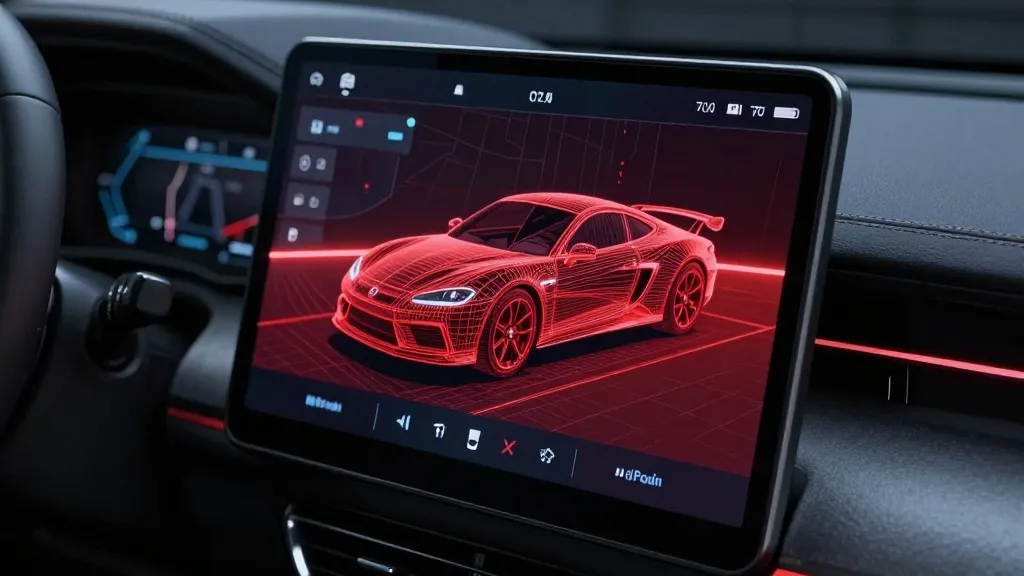
The vehicle itself is a significant departure from standard car design. It is a two-seater that lacks a steering wheel and pedals. The car relies entirely on Tesla's Full Self-Driving software. Production began in February 2026. By early September, the company had already launched public rides using these early units. Tesla previously suggested a price point of around $30,000 for the vehicle.
There are still regulatory and technical hurdles to clear. Ashok Elluswamy, the head of AI at Tesla, indicated that unsupervised Full Self-Driving will ship to consumer cars in the second quarter of 2027. This timeline suggests that early Cybercab buyers might face limitations. Some fleet operators or early adopters may receive vehicles with geographically restricted autonomy. This restriction may occur because local regulatory agencies are still catching up to the technology.
The transition from internal fleet use to private customer delivery represents a major step for Tesla. It marks the first time the company will sell a car designed primarily for autonomous operation. The initial small-scale rollout is a cautious move. It allows the engineering team to refine processes before a wider launch. For now, the focus remains on ensuring the internal Robotaxi fleet operates smoothly while preparation for private sales continues.
More Business · Customer Complaints · Report a business · Got a Story?