Trump Reverses Course on Iran Strategy
Following midterm losses, the president shifted from declaring the war over to dismissing the need for a negotiated deal, leaving mediators in limbo.
By Grace Almasi ·
President Donald Trump is sending mixed signals about the path forward in the eight-month conflict with Iran. Since Republicans lost their congressional majorities in last week’s midterms, the administration has vacillated between ending military operations and halting diplomatic talks.
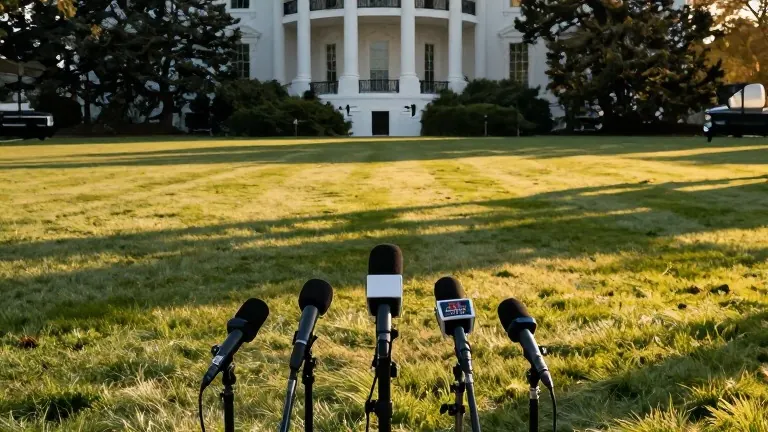
The shift began on the day after the elections, when Trump acknowledged that the war and its economic impact contributed to the Republican defeat. Early this week, he met with Qatar’s prime minister at the White House. He then told reporters that the war was militarily effectively over and that major new strikes were unlikely.
By Thursday, the tone changed. Trump stated that the United States no longer needs a deal with Tehran. He directed Vice President JD Vance to shift his full attention to the administration's domestic anti-fraud campaign. Vance had previously served as the chief negotiator in peace talks. A person familiar with the matter said Vance was considering reengaging with senior Iranian negotiators when Trump issued his post.
The White House declined to comment directly on the rhetoric, but Secretary of State Marco Rubio defended the strategy. Speaking at the Federalist Society on Friday evening, Rubio said the economic pain inflicted on Iran is so great that military action is no longer necessary. He added that the U.S. would not accept a bad deal but would support a good one.
Middle East diplomats report confusion over these contradictory messages. Two diplomats familiar with the process said the situation appeared stable after the meeting with Qatar, but Trump’s Thursday comments created uncertainty. They are unsure if the president is abandoning negotiations or simply posturing after his party’s electoral losses. One diplomat noted that the move raised questions about why Vance was being sidelined, given his previous skepticism about launching the war.
Qatar continues to push for an interim agreement to restore traffic through the Strait of Hormuz. This waterway is vital for global oil and natural gas flows. The United Nations reported that October had the highest number of incidents against commercial ships in the region since February. Oil shipments have reached near prewar levels, leading some to believe Trump may leave the final governing deal to Gulf countries.
The next step is a trip to Asia next week. Trump will visit the Philippines and attend meetings in Shenzhen, China. There, he will hold a three-way summit with Chinese President Xi Jinping and Russian President Vladimir Putin. Iran’s deputy U.N. ambassador Gholamhossein Darzi told the Security Council on Friday that Iran has never closed the door to diplomacy but would respond decisively to any return to bombing.