Ministers breaking the law over failure to halt wild bird decline, watchdog says
Britain's environmental regulator says the environment secretary and Natural England are in breach of the law as wild bird numbers fall to their lowest level on record.
By Renata Mehta ·
The UK's environmental watchdog has accused the environment secretary Angela Eagle, her ministerial team and Natural England of acting unlawfully by failing to step in as Britain's wild bird populations suffer catastrophic losses.
Fresh figures reveal that numbers of wild birds have sunk to their lowest point since records began, with 45% of 132 native breeding species declining over five years. Over the past half century, more than 73 million wild birds have vanished from Britain's landscape, according to the British Trust for Ornithology.
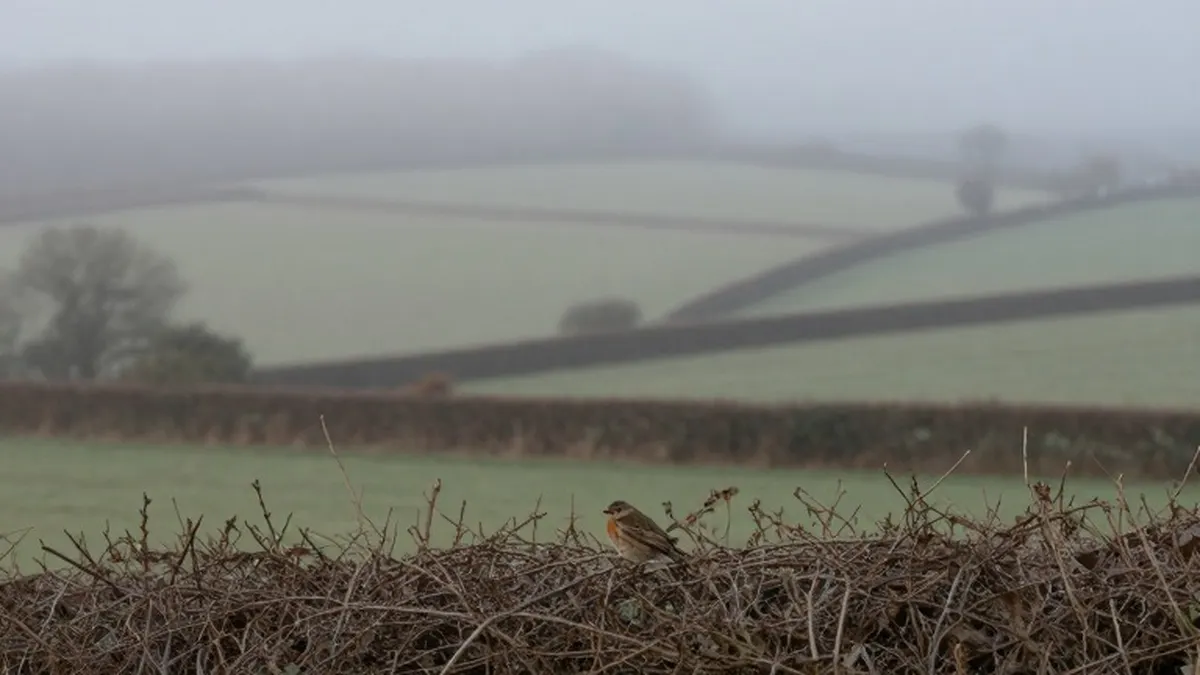
Among the casualties are cherished garden species such as swifts, turtledoves and tree sparrows, alongside wood warblers and bullfinches.
Ministers carry legal obligations to restore bird populations to healthy levels, including specific duties to designate Special Protection Areas, known as SPAs, where birds and their habitats receive legal protection. The Office for Environmental Protection said on Wednesday that Eagle, her department and Natural England were all in breach of the law.
The regulator said Eagle had broken environmental law by not classifying new SPAs, failing to enlarge existing sites and neglecting to add further species to protected lists. Natural England, the government's independent nature adviser, was found to have failed to take the steps needed to maintain or rebuild wild bird populations and secure adequate habitat for them. It was also accused of unlawfully skipping a required review into whether enough habitat exists, an assessment the OEP said was vital for identifying gaps and setting out the action needed to support recovery.
The decline has continued even as public enthusiasm for birds grows. In May, the RSPB reported a 47% rise in birdwatching over eight years.
Helen Venn, the OEP's chief regulatory officer, pointed to repeated ministerial delays. "As a nation of bird-lovers, and with birds acting as important indicators for the state of our nature more widely, the latest statistics showing declines in the populations of some of our most treasured species are deeply concerning," she said, adding that continued delay had left many sites without the protection they need.
England currently has 82 SPAs, plus six cross-border and offshore sites. Ministers are legally committed to expanding protected areas under the 30 by 30 pledge, which aims to safeguard at least 30% of land and seas for nature by 2030. Yet despite repeated promises from Labour's environment ministers, Defra's latest statistics show no sign of widespread recovery, with short and long-term trends both pointing to decline across nearly half of all species.
Beccy Speight, the RSPB's chief executive, demanded urgent action including new and extended SPAs and targeted help for curlews, bitterns and hen harriers. "Successive governments right across the UK have known about these problems for years. The time for navel gazing has long passed; the time for taking action is now, before it is too late," she said. The Department for Environment was approached for comment.