UN Court Rules Myanmar Committed Genocide Against Rohingya
The International Court of Justice determined that Myanmar violated international treaties by intentionally destroying a substantial part of the Rohingya population in 2017.
By Amit Chukwu ·
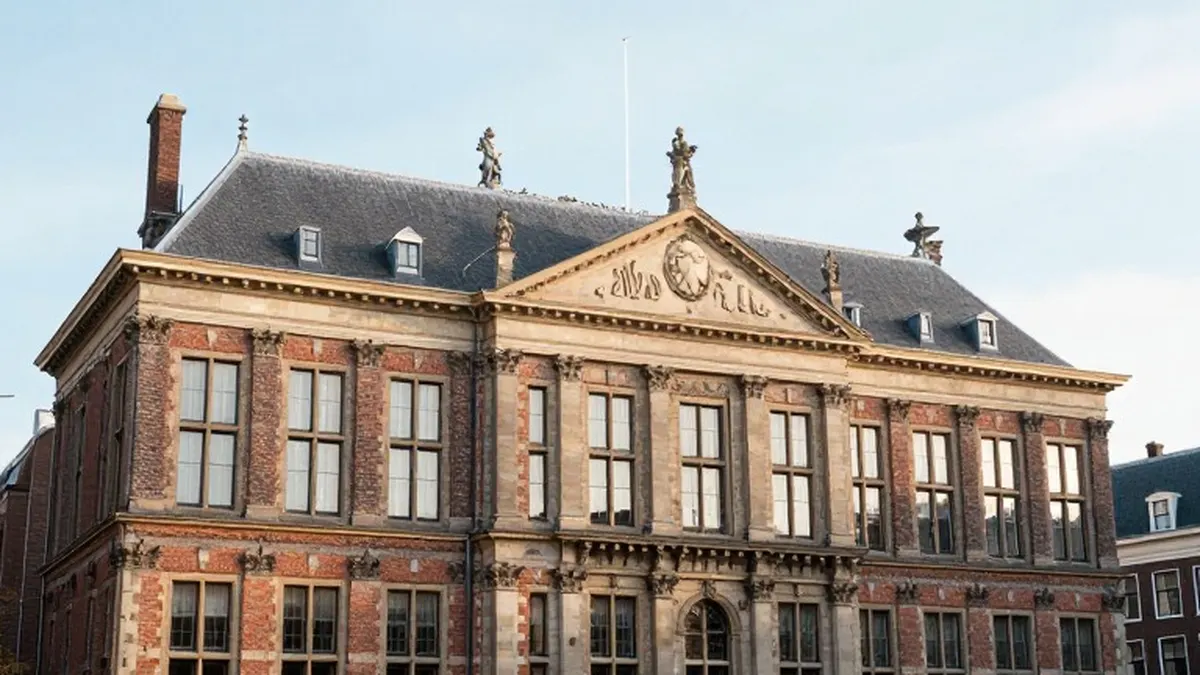
The International Court of Justice issued a landmark ruling on November 19, 2026, finding that Myanmar breached its obligations under international treaties to prevent and avoid committing genocide. The panel of 15 judges voted nine to six to conclude that the country had committed genocide against the Rohingya people in Rakhine state. Judge Yuji Iwasawa, the court's president, announced the decision, stating that the evidence supported the inference that Myanmar intended to destroy a significant portion of the Rohingya population in northern Rakhine.
In its judgment, the court recognized the Rohingya as a distinct ethnic group with their own language, culture, and self-identification, thereby qualifying them as a protected group under international genocide laws. Iwasawa noted that Myanmar's security forces killed thousands of civilians, committed acts of sexual violence, and inflicted extreme harm on children. The court expressed full conviction that the 2017 clearance operations caused serious physical and mental injury to a large number of the protected group.
While the court acknowledged that some civilian participation in the operations might not have been state-ordered, it found that the government made no meaningful effort to prevent atrocities by non-Rohingya civilians. Instead, the authorities were found to have intensified ethnic and religious tensions. Iwasawa also highlighted Myanmar's failure to genuinely investigate the alleged atrocities and its refusal to provide access to evidence and witnesses, which limited the court's ability to fully assess information available only within the country.
As part of the ruling, the court urged Myanmar to pay reparations to victims or their families where appropriate. It also called for the safe return of refugees and for the state to investigate and potentially prosecute individuals from its nationals and security forces who committed wrongdoing.
UN Secretary General Antonio Guterres welcomed the verdict, describing it as a powerful recognition for the Rohingya victims. He emphasized that this is the first verdict of its kind against a state and urged Myanmar to comply with the court's decision, including facilitating the safe, voluntary, and dignified return of refugees and the reunification of families.
Dawda Jallow, the Justice Minister of Gambia, which filed the original complaint, celebrated the outcome at the Peace Palace in The Hague. He stated that the victory belongs to the Rohingya, noting that their survival and testimony would now be believed. The United Kingdom also responded swiftly, with Foreign Secretary Ed Miliband announcing that Britain would expel Myanmar's defense attache in London and request a special session of the UN Security Council.
Volker Türk, the UN human rights chief, said the ruling clearly holds Myanmar responsible for one of the most egregious crimes known to humankind. The legal case centers on the 2017 military crackdown in Rakhine state, which was triggered by a coordinated attack on police and military installations by a militia group in August of that year.
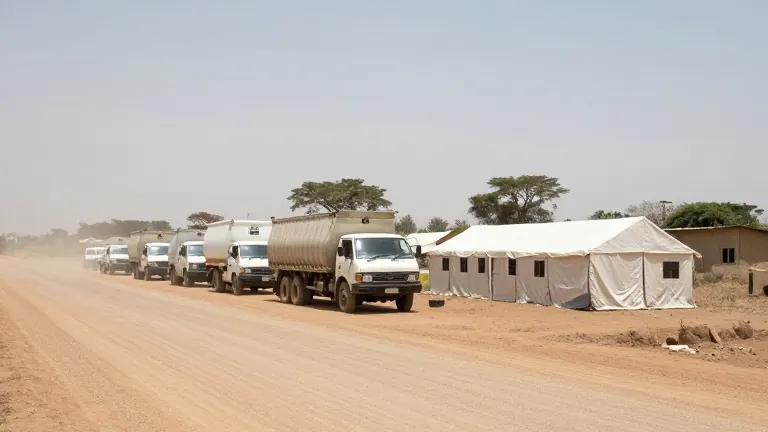
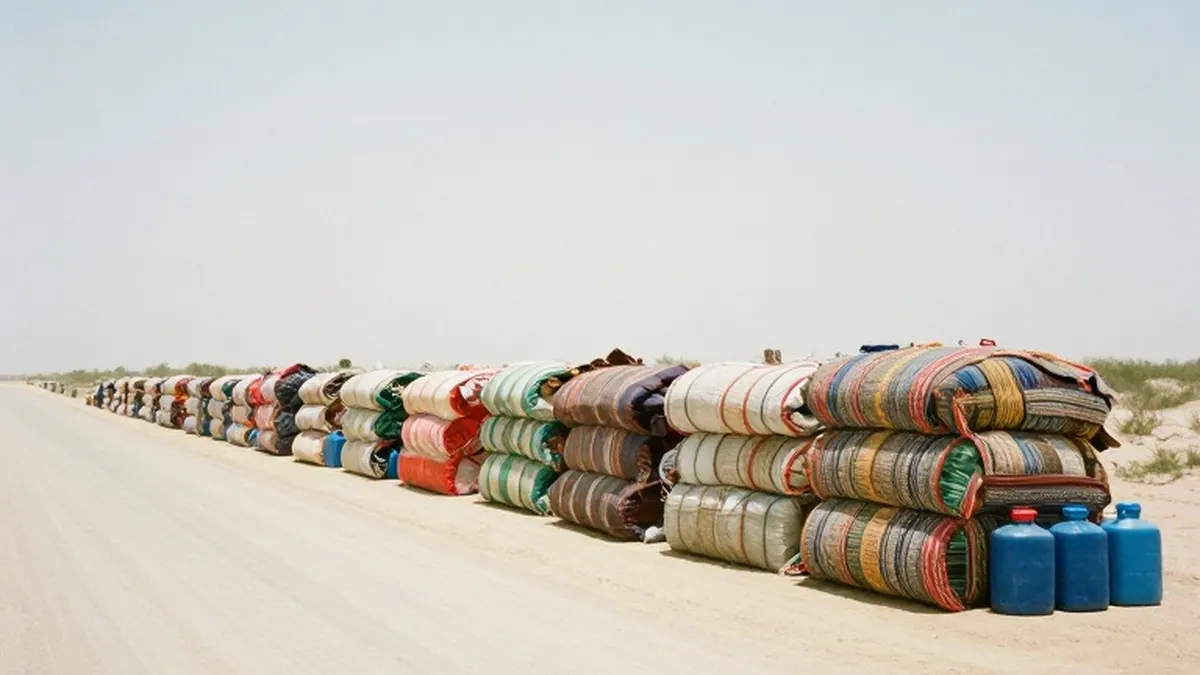
A UN fact-finding mission later estimated that approximately 10,000 people likely died in the subsequent clearance operations. Around 700,000 people fled to Bangladesh, where many still reside in what is considered the world's largest refugee camp. Gambia filed the complaint in 2019, alleging a deliberate campaign of arson, rape, and murder aimed at wiping out the minority group.
Myanmar's military, which currently holds de facto control of the country amid a civil war, had previously maintained that its actions were a legitimate counterinsurgency effort. Former civilian leader Aung San Suu Kyi had contested the charges as incomplete and incorrect during her appearance at The Hague. This ruling is expected to draw attention from other ongoing ICJ cases involving Israel and Russia.
The decision marks a significant moment in international law, establishing a clear precedent for state responsibility in cases of genocide. It underscores the importance of accountability mechanisms in addressing large-scale human rights violations and provides a legal foundation for future reparations and investigations.