Voters Reject Datacenters Across 10 States
Local ballot measures and new state governors signal a slowing pace for AI infrastructure construction.
By Amit Chukwu ·
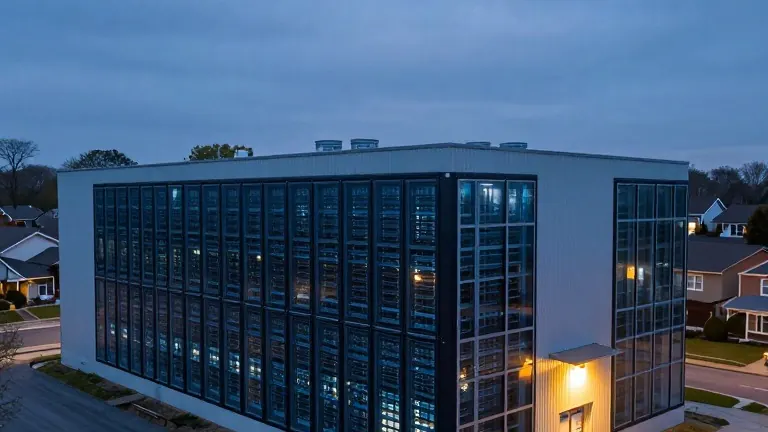
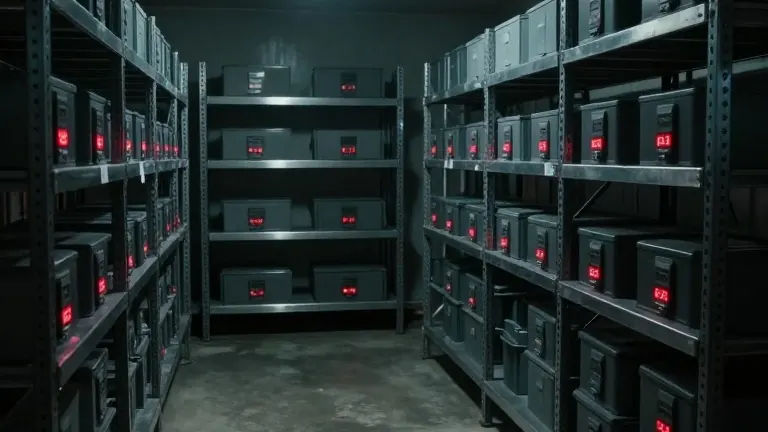
Voters in at least 40 jurisdictions across 10 states turned out on Tuesday to vote down datacenter development. The results represent a direct challenge to the rapid expansion of facilities that house the semiconductor chips powering artificial intelligence. Residents in these communities used the midterm elections to signal opposition to the giant buildings that have become symbols of the tech industry.
In Ohio, at least 14 municipalities passed bans or restrictions on new datacenter projects. Sunbury is among those locations, where Amazon has proposed a $2 million datacenter initiative. Maine voters approved temporary moratoriums in eight municipalities. In Emporio, Kansas, residents approved a ban on high-impact datacenters. This occurred after a proposal for a 1,000-acre, gigawatt-scale facility was recently introduced in the town.
The only notable exception to the trend was Hardwood, North Dakota. The city, which has a population of fewer than 1,000 people, voted down a bill that would have imposed restrictions on datacenter development. Nearly every other moratorium measure on the ballot across the country was approved by voters.
State leadership also shifted in ways that favor stricter regulations. Democrat Gina Hinojosa won the governorship in Texas, defeating her Republican opponent. She has promised to impose moratoriums on datacenter construction and to require greater community input on future projects. Her opponent, Greg Abbott, had reversed his previous stance near the end of his tenure. He demanded an end to electricity subsidies for these facilities.
Other new governors have made similar pledges. Keisha Lance Bottoms of Georgia and Amy Acton of Ohio have both committed to implementing moratoria on large datacenter construction. Ron DeSantis of Florida signed a bill in May that imposed strict regulations on large-scale projects. The issue has become a bipartisan concern in recent months.
Elon Musk, who invested more than $400 million in conservative candidates, posted on X that data centers in space looked appealing. Analyst Dan Ives stated that the election results indicate the pace of datacenter buildout will slow. He noted that Democrats gaining control of the Senate will create hurdles for AI and tech legislation in the next two years. Ives identified Texas as the primary concern for investors, noting that 25% to 30% of datacenter capacity is expected to come from the state.