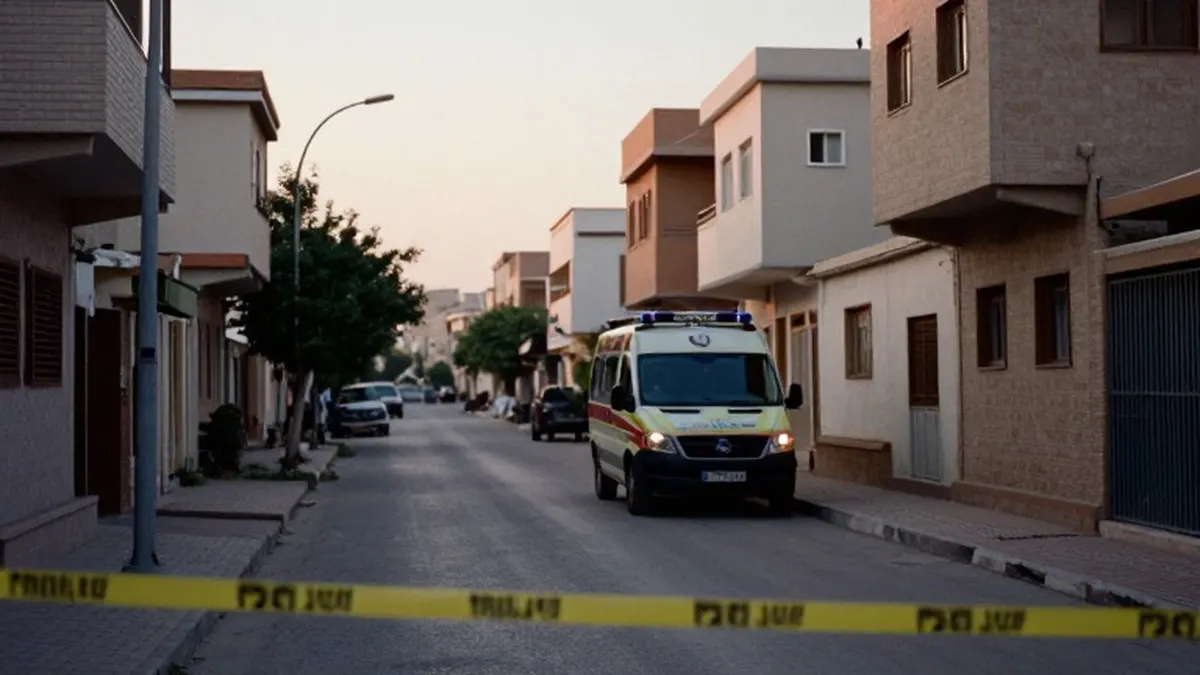
Zelenskyy Reports 110 Missiles and 400 Drones in Massive Russian Nighttime Strike
Ukrainian President Volodymyr Zelenskyy detailed a large-scale Russian attack involving ballistic and cruise missiles, highlighting the critical need for additional US missile supplies.
By Amit Chukwu ·

Ukrainian President Volodymyr Zelenskyy announced that Russia launched a massive coordinated attack on the night of November 19 and 20, 2026. The strike involved more than 110 missiles, with 27 of them identified as ballistic missiles. According to the president, this event stands as one of the heaviest bombardments Ukraine has endured during the conflict.
In a statement posted on the social platform X, Zelenskyy described the scale of the offensive. He noted that Russian forces deployed over 400 attack drones in addition to the missile barrage. The president said he held a coordination call with military and government officials to assess the situation in the early morning hours following the attack.
The tactics employed by Russian forces were described as particularly vicious. Zelenskyy explained that the missiles were launched in several distinct groups. There were pauses of 20 to 30 minutes between these waves. This strategy was designed to complicate rescue efforts, making it harder for emergency services to extinguish fires, clear rubble, and perform necessary repairs on infrastructure.
Ukrainian air defense units managed to intercept 79 of the cruise missiles used in the assault. Zelenskyy praised the performance of his country's combat aircraft, specifically mentioning F-16s, Mirages, and MiGs. He stated that these planes performed very well in their efforts to counter the aerial threat.
Despite the success against cruise missiles, the president acknowledged that ballistic missiles remain a significant challenge. He noted that intercepting these targets is much more difficult and depends heavily on the supply of defensive missiles provided by international partners rather than solely on Ukraine's own capabilities.
During the coordination meeting, Zelenskyy and Ukraine's defense minister reviewed ongoing discussions with United States partners. The talks focused on the provision of PAC-2 and PAC-3 missiles, which are critical for defending against ballistic threats. The president expressed that Ukraine is counting heavily on the Pentagon releasing the supplies that are currently awaited.
The report from the president follows earlier updates from Ukrainian Air Force spokesperson Yurii Ihnat. Ihnat had previously reported that Russian forces attacked with 80 cruise missiles and up to 20 ballistic missiles. The final figures provided by Zelenskyy indicate a slightly higher total number of missiles launched during the incident.
The attack highlights the continued intensity of the aerial warfare between the two nations. The use of staggered missile launches aims to overwhelm air defense systems and maximize damage to civilian and military infrastructure. The incident underscores the strategic importance of advanced interceptor missiles in protecting key urban centers.
Ukrainian officials are working to assess the full extent of the damage caused by the night's strikes. The coordination between military and government bodies continues as rescue operations proceed. The focus remains on restoring essential services and supporting the affected regions in the aftermath of the bombardment.
The reliance on foreign military aid for ballistic missile defense remains a central topic in diplomatic conversations. Zelenskyy's comments serve as a direct appeal to allies, emphasizing the need for timely delivery of defensive systems to maintain air superiority and protect the population.