Alabama poison control logs 312% jump in NeeDoh complaints
The Alabama Poison Information Center received 342 calls about the squishy toy this year, up from 83 in 2025, amid a surge in microwave-related burns.
By Amit Chukwu ·
The Alabama Poison Information Center has recorded 342 calls regarding NeeDoh toys since the start of 2026. That figure represents a 312% increase compared to the 83 calls logged for the entire previous year.
Health officials note that fewer than 10 of those encounters resulted in adverse clinical effects. Reported symptoms included throat irritation, dermal irritation, and blisters. Despite the rise in complaints, the toy remains a top seller for the upcoming holiday season.
Dr. Kym Middelton of Huntsville Hospital said the toys can aid children managing anxiety, stress, or illness. Her primary concern arises when the material tears or breaks. She noted that the chemicals inside the toys can irritate skin if they come into contact with broken surfaces or are ingested.
"Of course if a toddler gets a hold of it and if they happen to bite it, it is an irritant and also a poison," Middelton said. She added that she was not surprised by the jump in call volume.
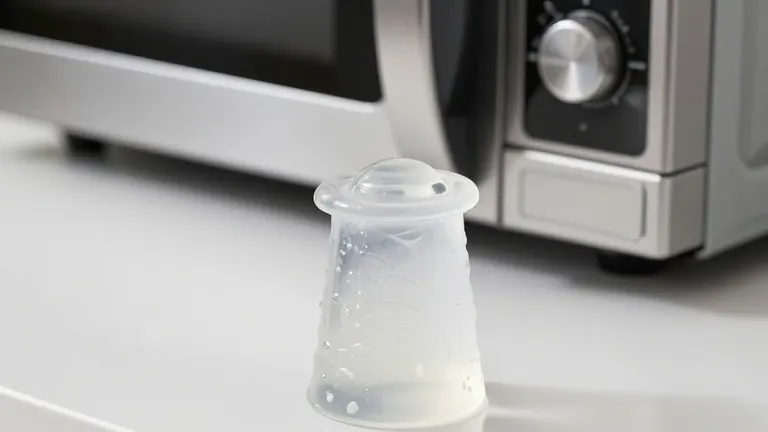
A growing trend on social media involves heating the toys in a microwave. This practice has led to reported burns. A 10-year-old girl from Cleveland suffered severe burns after microwaving the item. An 11-year-old boy in Birmingham experienced similar injuries. His mother described the incident, saying, "It just bust all over him. His neck, his chest, his hands. He just started screaming, panicking."
Middelton warned that if the toy is heated sufficiently, it can burn the skin or adhere to it. The manufacturer, Schylling, stated that microwaving, heating, or freezing the product is dangerous. The company is currently working with social media platforms like TikTok to remove influential content showing misuse. Schylling has also added safety warnings to product packaging and online listings.
Middelton advised that the toys are generally safe for play if younger children are supervised. She did not recommend removing the toys from circulation despite the increase in poison control inquiries.