Camilo Rodriguez shot dead in San Jose traffic, first Costa Rican journalist killed in 25 years
The reporter, known for linking drug traffickers to politicians, had declined state protection despite prior threats.
By Amit Chukwu ·
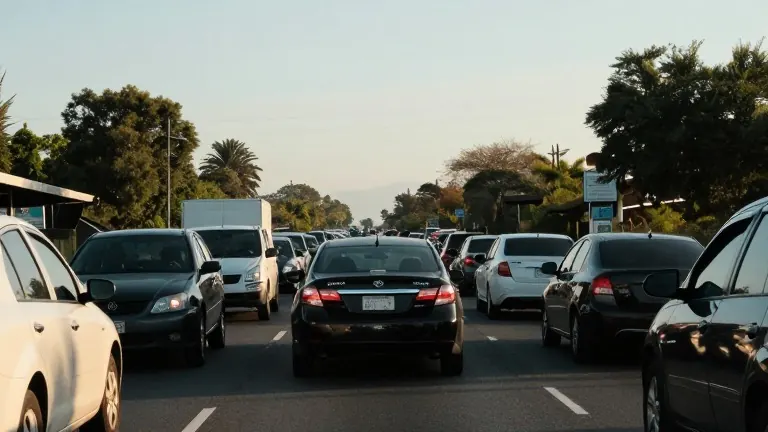
Camilo Rodriguez was shot dead on a highway near San Jose on Monday.
It is the first confirmed killing of a media professional in Costa Rica since 2001. Rodriguez had built a national profile by publishing reports that connected suspected drug traffickers with members of the political class. His death interrupts a long period of relative safety for the press in a country often cited as a stable democracy in Central America.
The Red Cross placed the time of the attack at approximately 3:20 p.m. local time. Rodriguez was in his vehicle on a major arterial road on the outskirts of the capital when the shooting occurred. Heavy traffic surrounded the scene as bullets struck his car. Investigators are currently examining the specific location for physical evidence and clues about how the perpetrators approached their target.
President Laura Fernandez addressed the nation shortly after the news broke. In a video message, she described the murder as cowardly. She stated that the incident leaves a mark on the country’s record for protecting free speech. Fernandez emphasized that the attack was a violation of democratic norms, regardless of the specific content Rodriguez was reporting on at the moment of his death.
Attorney General Carlo Diaz spoke with local media outlet Extra Noticias to outline the forensic findings. Investigators found multiple bullet impacts on the vehicle and surrounding area. Diaz said the layout of the crime scene supports the theory that this was a contract killing. He noted that the pattern of the shooting aligns with the type of investigations Rodriguez had recently conducted. The attorney general did not name any specific suspects during the briefing.
Diaz indicated that the attack is likely connected to the allegations Rodriguez had made public. The journalist was widely known for identifying individuals with alleged ties to the drug trade. Diaz added that Rodriguez had reported receiving threats in the past. However, the reporter had turned down offers of official security detail before the Monday shooting. Diaz argued that silencing a journalist covering corruption sends a negative signal to the rest of society.
The government has pledged to investigate the case thoroughly to find those responsible. The murder has intensified debate over the safety of reporters in Costa Rica. This conversation comes as the country experiences a rise in drug-related violence driven by international trafficking groups. These organizations are becoming more active in the region, shifting the security environment that had previously defined the nation.
The last time a media worker was killed in a similar manner was in July 2001. Radio producer Parmenio Medina was shot on a highway in Santo Domingo. That location is roughly in the same area where Rodriguez died. The parallel between the two events, separated by more than two decades, has drawn attention from local news organizations.
Costa Rica’s national homicide rate doubled between 2013 and 2023. While the rate has eased slightly since that peak, the trend reflects a shift in the country’s security situation. Authorities are now focused on determining if the shooting was a targeted elimination or part of a larger pattern of violence against the press. The case remains open as investigators continue to review evidence.
The media community is mourning the loss of Rodriguez, a central voice in reporting on drug-related issues. Public attention has turned to the question of who ordered the shooting. There is also scrutiny over why Rodriguez felt safe enough to continue his work without state protection. The investigation is expected to expand as authorities gather more data from the scene and witnesses.