Iraq Folds Yazidi Armed Group Into State Forces, but Sinjar's Deeper Problems Remain
Baghdad has formally integrated the Sinjar Resistance Units into the state, yet disputes with the Kurdistan Regional Government, prolonged displacement and a missing local administration still cloud the district's future.
By Renata Mehta ·
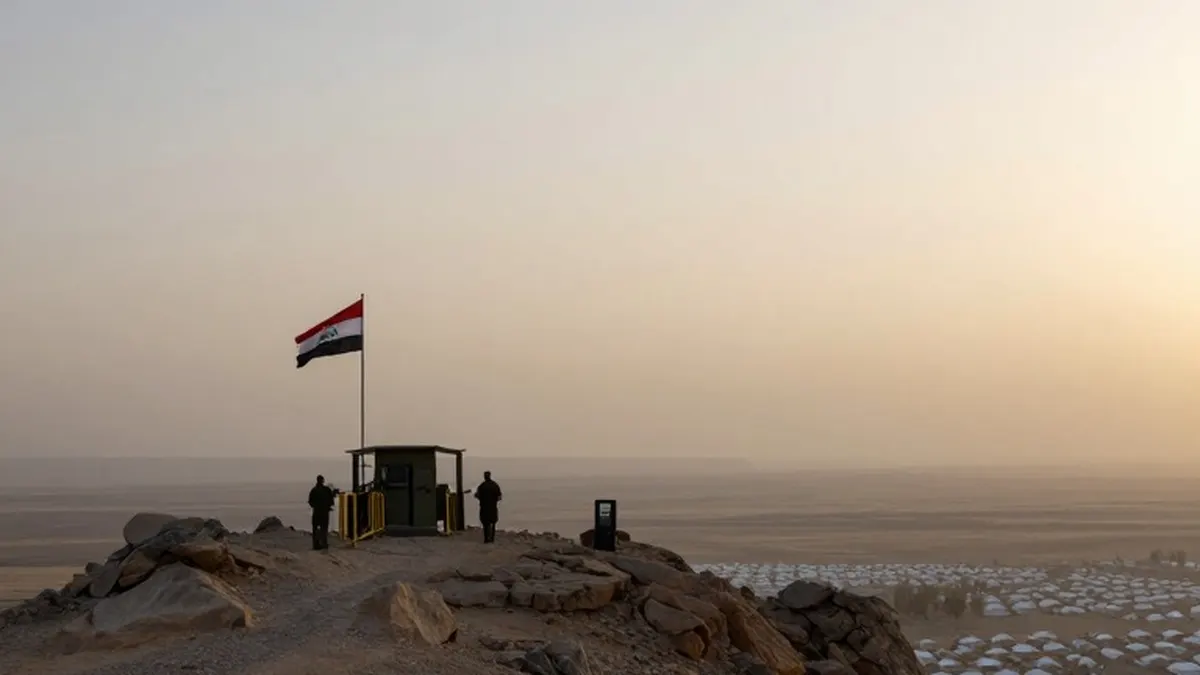
Iraq's government has announced that the Yazidi-led armed group long dominant in Sinjar has been brought under state authority, in what officials describe as a step toward ending years of instability in the district. A state ceremony on Monday marked the integration of the Sinjar Resistance Units (YBS), with an estimated 2,500 local fighters expected to join Iraqi security forces.
The YBS was formed in the 2000s to protect the Yazidi religious minority, which has faced discrimination and sectarian attacks for decades. The group is linked to the Kurdistan Workers' Party (PKK). It mobilised after August 2014 to fight the Islamic State group, which carried out a genocide against Yazidis in Sinjar, killing at least 5,000 people and abducting thousands of women and girls.
Prime Minister Ali Faleh al-Zaidi announced the measure last month after meeting a delegation of the Yazidi Cause Alliance led by Iraqi MP Murad Ismael. The move resembles the integration of the Syrian Democratic Forces into the Syrian state. Ismael told Middle East Eye that implementation began with the handover of some positions on top of Mount Sinjar to the Iraqi Army, and that the fighters would be placed across multiple branches of the security forces. Lists of names were also handed to the state.
The announcement has drawn criticism from the Kurdistan Regional Government. Its interior minister, Reber Ahmed, said on Tuesday that any steps taken in Sinjar without consultation with the KRG "will not produce good results" and would not help restore stability or let displaced Yazidis return. The KRG argues Baghdad should instead implement the UN-backed 2020 Sinjar agreement, which would have removed the YBS and other non-state actors. That deal was never carried out, having been opposed by the YBS and Iran-backed factions and supported by Turkey.
The prime minister's spokesperson, Sabah al-Numan, said the measures fall entirely under Baghdad's authority and are part of a broader effort to keep weapons strictly under official federal institutions. Sinjar-based analyst Ahmad Shingali described the dispute as essentially a contest between rival governments and factions, and "primarily a proxy conflict" driven by the interests of Iran or Turkey.
Turkey, which opposes the YBS because of its PKK ties, had repeatedly struck the group, but those attacks stopped after Ankara began a peace process with the PKK in October 2024. On 23 September, Ankara and Baghdad jointly announced that Turkey would hand over the Zilkan military camp in Bashiqa to Iraq, on the condition that Iraq end the presence of "banned foreign elements" in Sinjar. Turkey's Ministry of Defence said on Wednesday it welcomed Iraq's efforts to strengthen state authority there.
Yazidis say major challenges remain, including creating a new administration, reconstruction and the return of displaced people. According to an August report by the IOM and UNHCR, 89,709 people, mostly Yazidis, are still displaced in camps in the Kurdistan Region, citing security concerns, weak governance, limited reconstruction and livelihoods, and compensation issues. Sinjar has also had no mayor since the 2023 provincial elections because of factional disputes, though the Nineveh Provincial Council recently opened nominations for the post.
Numan said the government is working with Nineveh authorities to choose a "competent local administration that enjoys consensus," and has plans for economic development, reconstruction and conditions for the safe return of displaced families. Activist Mirza Dinnayi called the extent of progress "a grey zone" and said success would depend on avoiding the exclusion of local actors such as the KDP.
Source: Middle East Eye