Serbian Students Topple Longtime Leader in Historic Election
A two-year independent protest movement led by university students forced snap elections and defeated President Aleksandar Vucic.
By Renata Mehta ·
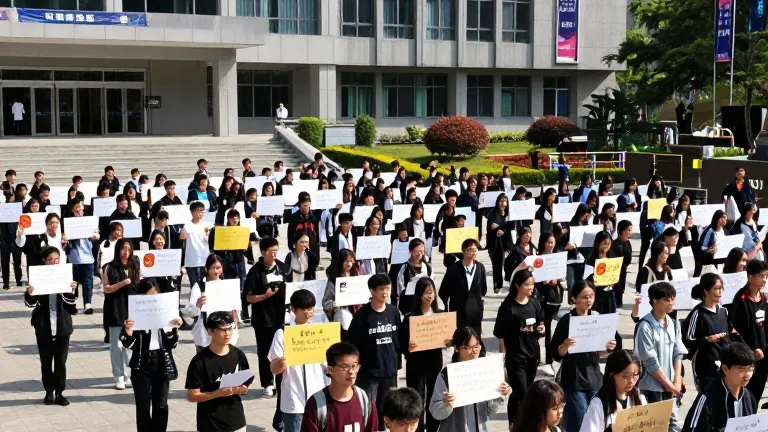
Serbian university students have defeated President Aleksandar Vucic in a national election, ending a political tenure that had lasted more than a decade. The Student List, a political group formed by protesters who occupied universities across the country, won the vote held on Sunday. This result marks a sharp break from previous opposition efforts, which had failed to unseat Vucic despite years of attempts.
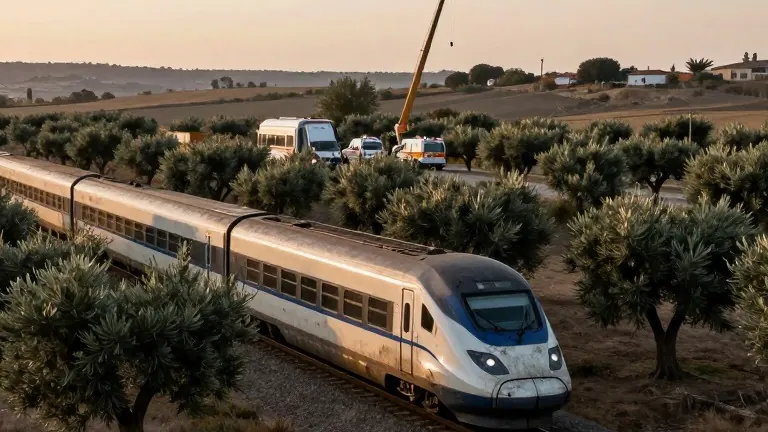
The movement began in 2024 after a train canopy collapsed at a newly renovated station in Novi Sad, killing 16 people. While that incident sparked the initial anger, students cited deeper economic grievances, including high living costs and low wages from foreign corporations. The group maintained its independence by refusing to align with any existing political party or the four major external powers influencing Serbia: Russia, China, the European Union, and the United States.
By March 2025, the protests had evolved into a sustained political operation. Students blockaded and took over university campuses, halting regular higher education. They established self-governing structures within occupied buildings to manage daily affairs. At the Faculty of Technical Sciences in Novi Sad, which enrolls more than 16,000 students, the group set up student-run kitchens, medical stations, and administration offices. Student guards controlled entry points using metal fencing and communication equipment.
The students organized long-form discussions on political and economic issues, with sessions often lasting five or six hours and drawing 300 to 400 participants. These debates helped shape the movement’s electoral platform. The group also called for citizens’ assemblies to broaden participation beyond campus walls. As police pressure increased, the students made their first public demand for snap elections, insisting on a process that was transparent and collectively decided.
Candidate selection for the Student List followed a rigorous, internal process. The group chose academics and activists rather than established politicians. Candidates were interviewed by groups of up to 300 students, with phones banned during the questioning to ensure direct engagement. The final slate featured an equal distribution of men and women across different university regions. The movement rejected traditional leadership structures in favor of decisions made by local committees and assemblies.
The Student List has begun negotiations to form a new government. Its electoral program includes a condemnation of the genocide in Gaza and a commitment to avoid complicity. This policy stance poses an immediate challenge to Serbia’s economic ties with Israel. Under Vucic, Serbian arms exports to Israel rose from $3.3 million in 2023 to $126 million in 2025. In September, Vucic opened a factory for Israeli drone production.
If the new government follows its stated program, it must halt these arms exports. This move would extend political change into the economic sphere, potentially unsettling foreign relations and domestic vested interests. The decision could test Serbia’s security cooperation with Israel and its reliance on foreign investment. The Student List faces the task of managing these tensions while avoiding conflict at home.
US-based conservative influencers intervened in the final days of the campaign, framing support for Vucic as a defense of Serbia’s Christian identity. The Conservative Political Action Conference, a US organization, plans to open a Serbian chapter in November. Vucic is expected to play a central role in that launch. The new government must now navigate these external pressures while implementing its platform.
The Student List’s victory demonstrates a model of politics based on direct participation and self-organization. The group succeeded by remaining independent of traditional parties and major powers. Its structure relied on local committees and collective decision-making rather than a central leadership. This approach allowed the movement to sustain pressure over two years and convert protest energy into electoral power.
Source: Al Jazeera