COP31 Collapse: 130 Nations Reject Final Text Over Fossil Fuel Clause
Saudi Arabia and Russia blocked language on phasing out fossil fuels, causing the Antalya Pact negotiations to fail in Turkey.
By Grace Almasi ·
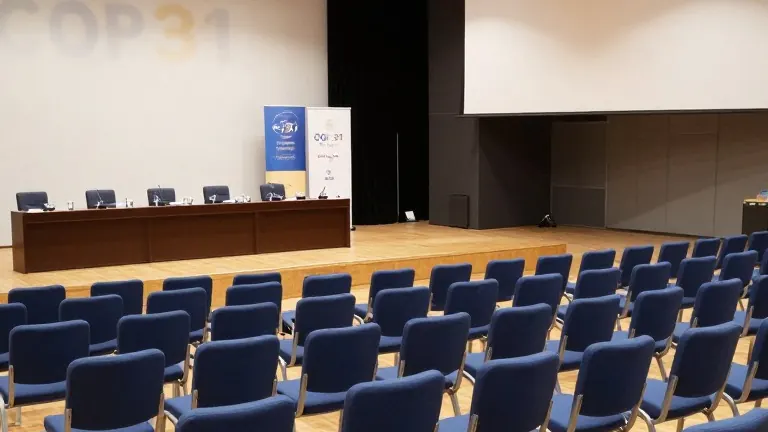
Negotiators at the United Nations Climate Change Conference (COP31) in Antalya, Turkey, failed to reach an agreement on Sunday. The breakdown ended the three-decade process of annual global consensus on climate policy. The final text, intended to be named the Antalya Pact, was rejected by a bloc of 130 countries. These nations, including the European Union, insisted on specific language regarding fossil fuels.
The primary point of contention was a proposed reference to phasing out fossil fuels. A group of countries led by Saudi Arabia and Russia resisted including this language in the final document. Ireland’s Minister for Climate, Energy, and the Environment, Darragh O’Brien, argued that the omission was unacceptable. He told delegates, “It is unconscionable that we would have a climate act that makes no reference to fossil fuel.” Consequently, the 130-nation bloc refused to sign the final text without the clause.
The collapse marks a shift in the global approach to climate action. The United States, under President Donald Trump, withdrew from U.N. climate talks upon taking office for a second term. This move reflects a wider trend where nations prioritize national self-interest over multilateral agreements. The conference slogan, “Dialogue. Consensus. Action,” appeared less relevant as delegates engaged in thousands of separate bilateral discussions.
Market forces are increasingly driving climate policy rather than international treaties. Clean technology costs have decreased to the point where they are competitive on economic grounds alone. Many countries are deploying these technologies to protect against geopolitical volatility. This trend is evident in the side events and national pavilions at the conference, where more than 90,000 registered attendees focused on specific national interests.
Singapore promoted its role as a hub for carbon markets, while Pakistan discussed power market reform to integrate solar energy. Ukraine hosted discussions on international accountability for environmental damages. These bilateral initiatives demonstrate that countries are pursuing climate goals to serve their own economic and strategic needs. The European Union’s policy of taxing carbon at the border has further encouraged other nations to adopt carbon pricing to protect their trade interests.
The failure in Antalya is the first major breakdown in the U.N. climate process since the 2009 negotiations in Copenhagen. At that time, negotiators restructured the framework, leading to the Paris Agreement in 2015. The Paris Agreement established net-zero targets as a global priority, influencing investment decisions for nearly a decade. The current collapse suggests a similar period of reinvention may be necessary.
The Antalya conference concluded without a unified global statement. The lack of a formal accord does not signal a halt to international engagement, but rather a change in method. National policies are globalizing rapidly, with countries adjusting trade relationships and technology investments independently. The future of climate action appears to be shaped more by these individual national strategies than by joint plenary statements.
More Business · Customer Complaints · Report a business · Got a Story?