COP31 Draft Drops Fossil Fuel Language, Sets 1 Billion Ton Carbon Capture Target
The 10-page agreement released in Antalya omits mentions of coal, oil, and gas while establishing a specific goal for carbon storage technology.
By Amit Chukwu ·
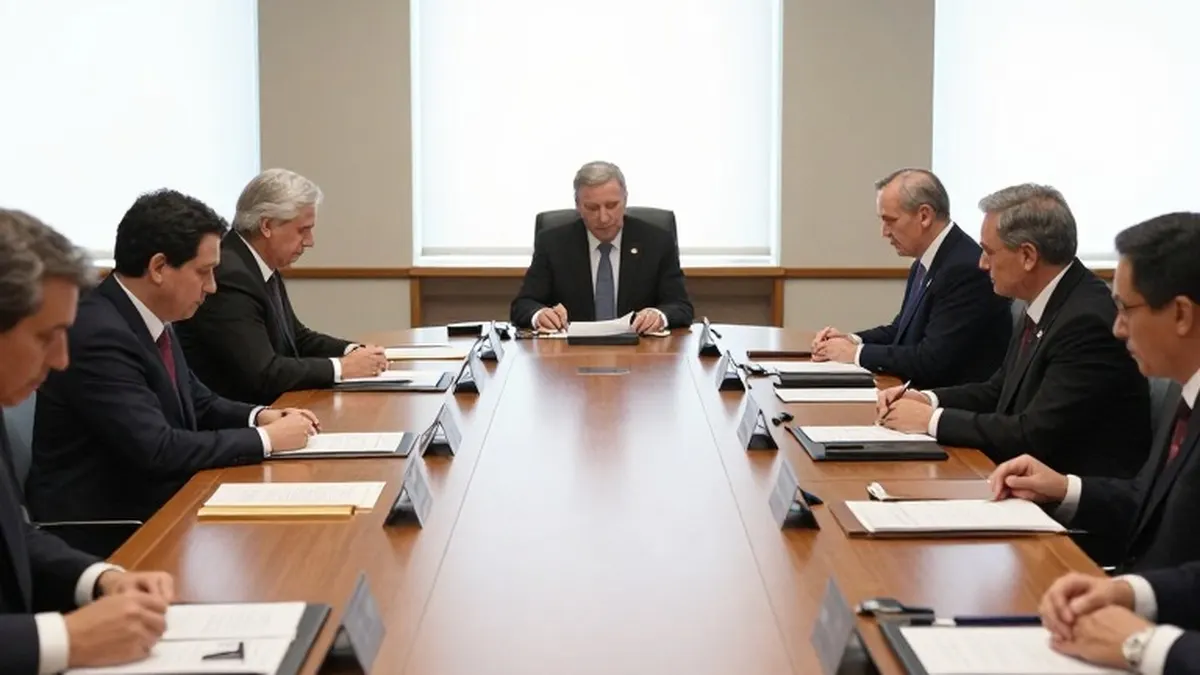
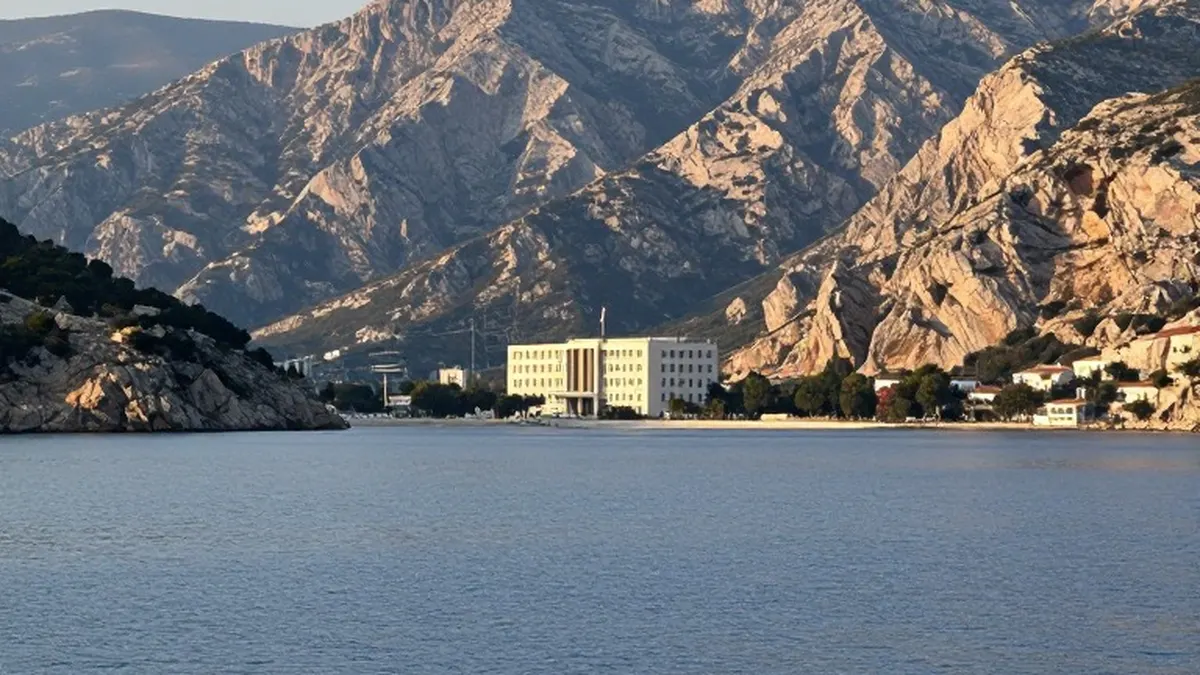
United Nations climate negotiators in Antalya, Turkey, are reviewing a proposed final agreement that contains no reference to fossil fuels. The document, released in the early hours of Sunday, was drafted by Turkish Environment Minister Murat Kurum, who serves as co-president of the conference. The text is 10 pages long and does not include the words fossil, oil, coal, or phase out. This omission stands in contrast to the 2023 agreement in Dubai, which explicitly called for a transition away from these energy sources.
The draft does establish a specific target for carbon capture and storage technology. It aims to capture, reuse, and store 1 billion metric tons of carbon. This proposal supports industrial polluters who may struggle to switch to renewable energy sources by providing a method to bury carbon dioxide emissions. The text also includes a cornerstone electrification goal. It calls for nations to increase the share of electricity in total final energy consumption from 21 percent today to 35 percent by 2035. This shift requires changes in transportation and industrial production methods.
Several nations have raised objections to the draft, which requires near-unanimous consensus for approval. Panama has vowed to formally object if the final agreement does not cap oil production or acknowledge failing warming goals. Juan Carlos Navarro, the Panamanian Environment Minister, criticized the process. He stated that the talks were being held hostage by a petroleum mafia. Alden Meyer of the think-tank E3G noted that fossil fuels were unmentioned in final decisions for 25 years before the 2023 agreement. He described the current draft as a real setback if it lacks a signal of seriousness regarding previous commitments.
Rachel Cleetus of the Union of Concerned Scientists argued that fossil fuels are the root cause of climate change. She said there is no plausible pathway to limit climate overshoot without rapidly phasing them out. Bill Hare, CEO of Climate Analytics, criticized the electrification goal. He stated that electrification running on coal and gas does not limit warming. Climate activists are demanding the agreement specify that electricity must come from renewable sources like wind and solar to lower emissions effectively.
Climate vulnerable nations are seeking more details on financial aid for adaptation. Previous summits mentioned tripling funding but never created an explicit financial baseline. Harjeet Singh, founding director of the Satat Sampada Climate Foundation, noted that rich countries are offering a conversation instead of cash. He referenced recent disasters such as Europe’s heat waves and Nepal’s flooding. Organizers worry that negotiators may leave Antalya before enough delegates remain to pass the draft. The conference was scheduled to end Friday but is now in double overtime.
Deliberations continued on Sunday, nearly 40 hours past the official deadline. Kurum gave negotiators only about three hours to make objections before the draft is presented to the summit's final meeting. Countries will either accept, reject, or express reservations about the agreement. David Waskow, international climate chief at the World Resources Institute, described the process as a rocky road that took longer than expected. The next climate summit is scheduled for November 2027 in Addis Ababa, Ethiopia.