
Knesset elects Yashar's Matan Kahana as speaker after six-hour filibuster by Netanyahu bloc
Yashar lawmaker Matan Kahana won the Knesset speakership in a 66 to 52 vote, handing Gadi Eisenkot's bloc control of the parliamentary agenda as it moves to repeal judicial overhaul laws.
By Grace Almasi ·
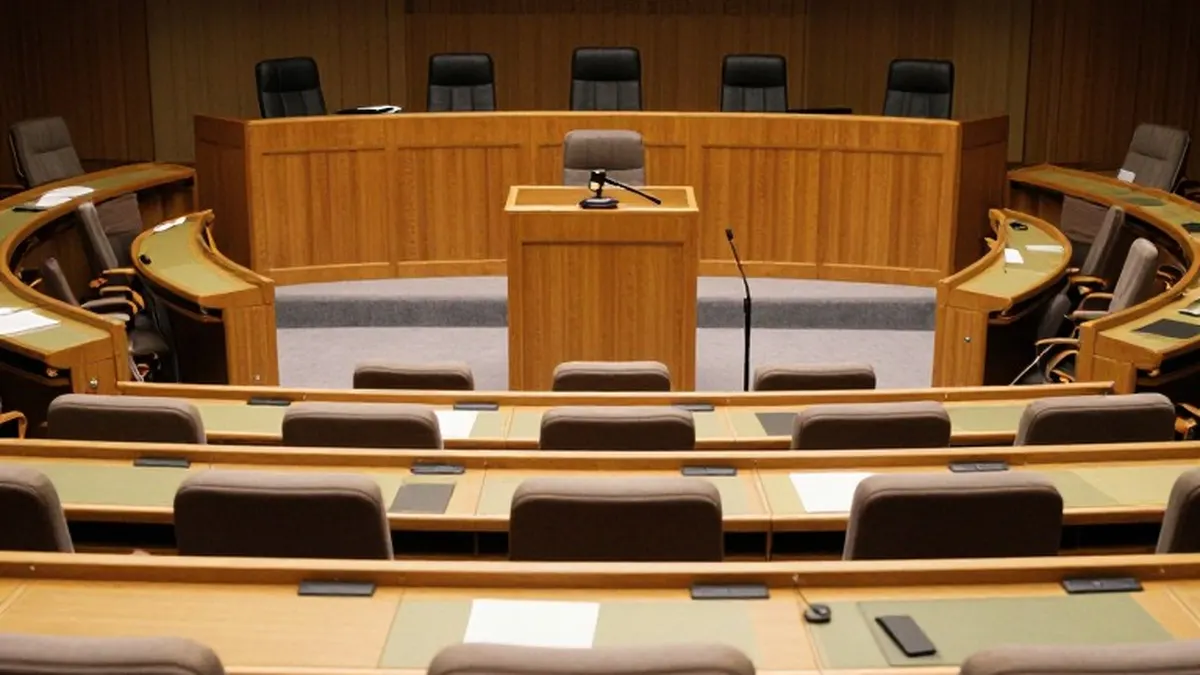
Israel's parliament, the Knesset, voted on Tuesday night to elect Yashar MK Matan Kahana as its new speaker, with 66 lawmakers in favor and 52 opposed. The result followed six hours of filibustering by lawmakers from Prime Minister Benjamin Netanyahu's bloc, who sought to delay the bloc led by Yashar leader Gadi Eisenkot from taking control of the powerful parliamentary position.
The speakership carries broad influence over the Knesset's agenda: as The Times of Israel's Daily Briefing put it, he who controls the gavel controls the agenda. Kahana received the gavel after a dramatic lead-up and, upon assuming the role, delivered what the briefing described as a statesmanlike speech.
Shortly after the vote, the bloc of legislators led by Eisenkot began the process of repealing judicial overhaul laws that were ratified during the outgoing government's term, moving quickly once the speaker's chair was secured.
Times of Israel editor David Horovitz, speaking on the briefing, said a state commission probing the failures of October 7, 2023, is not going to be on the agenda any time soon.
Time is also ticking on the 28-day mandate Eisenkot has to form a coalition. Horovitz presented the different scenarios that could see a way forward, noting that any path would come at the cost of campaign promises, and the question is which ones, and whose, would be broken.
Also on Tuesday, Attorney General Gali Baharav-Miara instructed the caretaker government to halt the process of issuing tenders for construction in the E1 settlement in the West Bank until a new government is formed.
The decision was announced hours after Britain imposed sanctions on Israeli construction firms and warned against moving forward with the controversial project. Those UK sanctions could cause ripple effects, the briefing said.
In a statement to the press on Tuesday evening, the Central Elections Committee said a Shin Bet investigation into allegations of vote-buying in the Arab community in last month's election had found no evidence of bribes being paid to voters on a scale that could affect the results of the vote.
The briefing untangled the three intertwined sagas revolving around accusations that Arab Israelis "stole the vote" on October 27, claims that have circulated since election day.
Taken together, the speaker vote, the repeal effort, the E1 halt and the elections committee announcement made for a turbulent day in Israeli politics, with the country's post-election landscape shifting by the hour.