
Five plants keep blooming indoors through winter
Cyclamen, African violets, and three other species offer long-lasting color with specific light and watering routines.
By Amit Chukwu ·
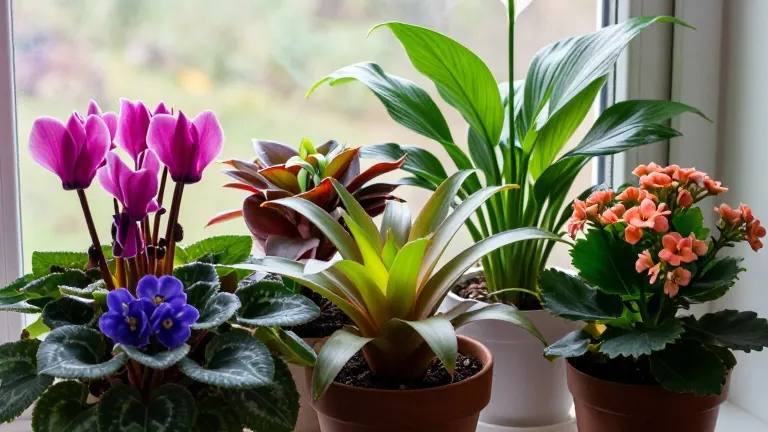
Flowering houseplants can provide months of color during colder months.
Jessica Damiano, who writes weekly gardening columns for The Associated Press, identified five species that bloom reliably indoors. She noted that these plants are as easy to grow as leafy varieties, provided gardeners meet their specific care needs. The goal is to maintain a living bouquet that lasts for weeks or months.
Cyclamen produce flowers in white, pink, red, or purple with backward-curling petals. They thrive in cool rooms between 60 and 70 degrees Fahrenheit. Place them in indirect light near an east or north-facing window. To prevent root rot, water from below by setting the pot in a saucer of water. Fertilize monthly during active growth. In late spring, stop watering and feeding when leaves turn yellow. Move the plant to a cool, dark spot to rest until fall.
African violets prefer slightly acidic soil with a pH between 6.0 and 6.8. Fertilize them every two to three months with a 20-20-20 mix. From October through February, place them in direct light, except in the Deep South where winter sun is stronger. During spring and summer, move them to the side of a north or east-facing window. Bottom-water with room-temperature water to avoid spotting on leaves. Use a humidifier or pebble tray if the room air is dry.
Bromeliads bloom only once, producing bright bracts in red, yellow, orange, purple, or peach. The central cup absorbs water rather than the roots. Pour water into this reservoir and rinse it out weekly with fresh, room-temperature water. After the main bloom fades, the plant produces offsets that replace the mother plant.
Peace lilies are tropical plants that require bright, indirect light and temperatures between 64 and 72 degrees Fahrenheit. Keep the soil slightly moist but never soggy. Mist the foliage occasionally with room-temperature water. Removing faded flowers encourages new blooms.
Kalanchoe grows best in full but not harsh sunlight. It prefers daytime temperatures between 50 and 70 degrees Fahrenheit. Cooler nighttime temperatures between 45 and 65 degrees Fahrenheit prolong the flower life. Plant them in well-draining soil and allow it to dry slightly between waterings. Fertilize once a month during the active growing stage.
Damiano recommends these five options for gardeners seeking reliable indoor color. Each species requires specific attention to light, temperature, and watering methods. Following these guidelines ensures the plants remain healthy and continue to produce blooms throughout the season.