Israel's army chief questions Iran orders
Prime Minister Netanyahu and General Eyal Zamir disputed military instructions days before the legislative vote.
By Grace Almasi ·
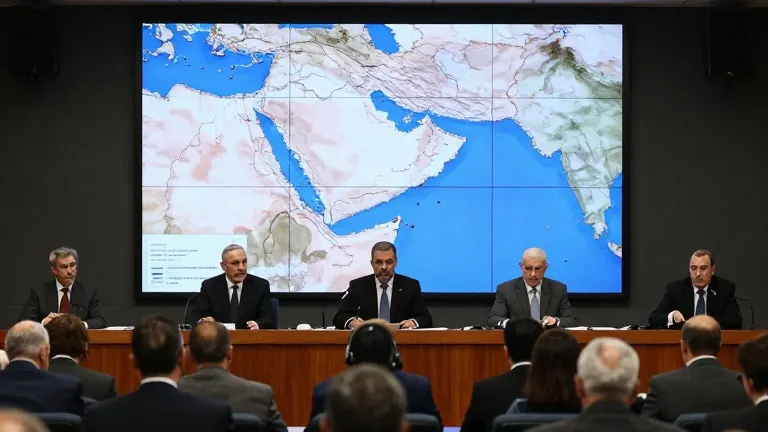
General Eyal Zamir challenged a prime ministerial order on Sunday. He feared the directive could lead to a clash with Iran. The timing falls just days before Israel's legislative elections. Channel 12 News reported the dispute on Sunday. The network did not reveal the specific content of the order. Zamir demanded legal assurances before acting. He wanted to ensure the military was protected from political risk.
Sources familiar with the argument told Channel 12 News that senior officers are concerned. They believe the political leadership is using the Iranian issue for leverage. This move aims to generate political momentum before the vote. The sources questioned the motives behind the instruction. They suggested the timing was more important than the strategic need.
Benjamin Netanyahu denied the report on Monday. He said the account did not reflect reality. Defense Minister Israel Katz also rejected the narrative. Katz posted on X on Monday that Israel has no plan to attack Iran before Tuesday. He stated the country is not seeking a new war right now. Both leaders sought to calm the political storm.
The opposition reacted quickly to the reports. They accused Netanyahu of manipulating the election cycle. Gadi Eisenkot is Netanyahu's main challenger. Eisenkot warned the prime minister on X on Sunday. He told Netanyahu not to put political interests above state security. Eisenkot framed the dispute as a danger to national stability.
Avigdor Lieberman made a stronger accusation. He is the leader of the right-wing Yisrael Beiteinu party. Lieberman spoke to Radio 103FM on Monday. He called the alleged move treason. He said Netanyahu was betraying the country by dragging it into war. Lieberman said he would seek an investigation. He wants to charge the prime minister with treason based on these actions.
Channel 12 News noted the dispute happened amid other reports. These reports said Netanyahu spoke with US President Donald Trump. They discussed resuming a joint US-Israeli campaign against Iran. This adds another layer to the pre-election tensions. The potential for a new front in the region is now a political talking point.
Separate data shows a shift in the Knesset composition. Only 31 women are expected to win seats in Tuesday's election. This number is just over a quarter of the 120 total seats. The magazine LaIsha reported this estimate on Monday. It is far below the record of 45 women from the March 2021 election. The current Knesset has 35 women, so this would be a decline.
The breakdown of these seats follows party lines. Most of the 31 women will come from Zionist opposition parties. Twenty-three women from Yashar, Together, Yisrael Beiteinu, and The Democrats are expected to serve. Netanyahu's bloc is expected to send only six women. This includes Likud, Otzma Yehudit, Religious Zionism, Shas, and United Torah Judaism. Shas and United Torah Judaism will send no women because they only allow men to run. The Palestinian-led parties are expected to send two women.
Around 90,000 Israelis living abroad are currently in the country. The economic daily Calcalist reported this on Sunday. Estimates from a telecom company suggest the number could rise to 111,000 on election day. This is an increase of about 94,000 compared to typical periods. The telecom company linked the surge to the vote. It noted that people do not usually travel randomly in mid-October. Channel 13 News found similar numbers based on airport data. These arrivals may translate to roughly two Knesset seats.
Source: Middle East Eye