Israeli researchers report remission in mice with condition mimicking adult autoimmune diabetes
A three-drug combination restored normal blood sugar in about 30 percent of treated mice, while blood markers helped predict which animals would respond.
By Amit Chukwu ·
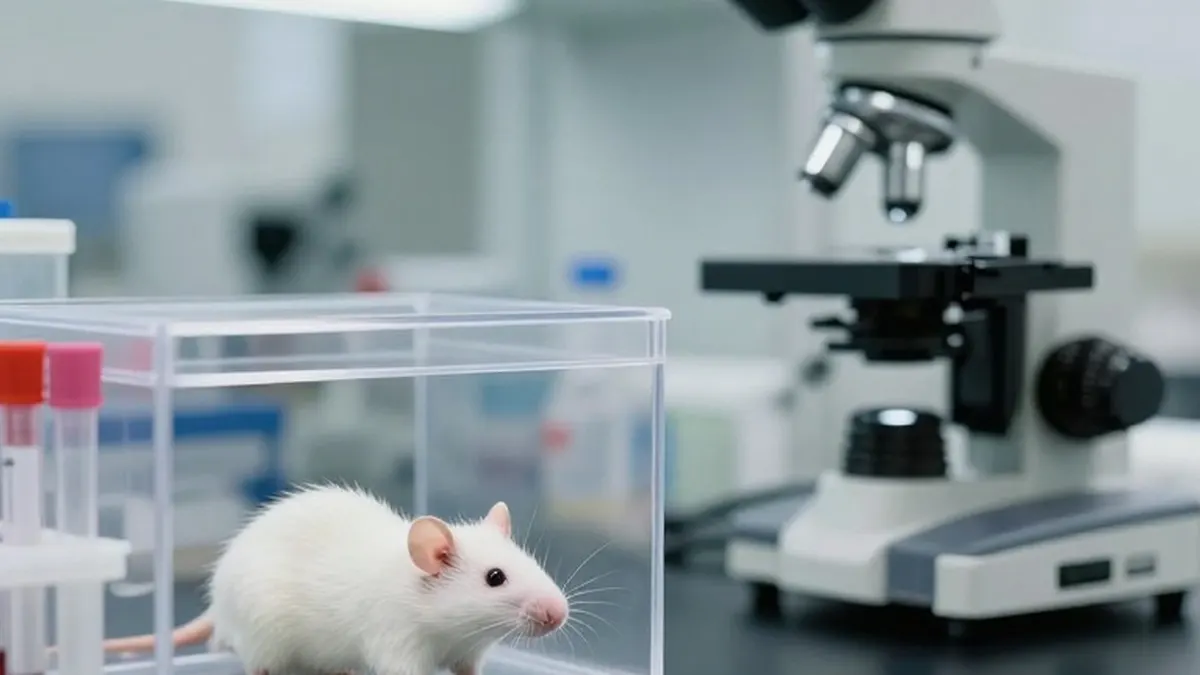
Researchers at Bar-Ilan University’s Azrieli Faculty of Medicine say an experimental treatment brought about complete remission in roughly 30 percent of mice engineered to mimic Latent Autoimmune Diabetes in Adults, known as LADA. The findings, reported on World Diabetes Day on November 14 and published in MedComm, could help guide research into targeted treatment for humans.
Often called “Type 1.5 diabetes,” LADA shares features with the two main forms of the disease. Like Type 1, it involves an immune attack on cells that produce insulin. Like Type 2, it appears in adulthood, and patients do not immediately need daily insulin. That overlap can complicate diagnosis and treatment, although LADA develops primarily through autoimmune damage rather than insulin resistance or obesity.
Study leader Dr. Ron Piran and lead author Wisal Sawaed told The Times of Israel that the treatment combined GABA, sitagliptin and omeprazole. GABA is a neurotransmitter that supports insulin-producing beta cells and reduces inflammation. Sitagliptin is a diabetes medicine that helps regulate insulin, while omeprazole is widely prescribed for acid reflux. The team examined whether combining them could reduce the immune attack while helping insulin-producing cells recover.
About a third of the treated animals regained normal blood glucose levels, stopped needing insulin and remained free of diabetes for weeks after treatment ended, Sawaed said. New insulin-producing cells developed mainly through replication of existing pancreatic cells. Other mice experienced little or no benefit, prompting the researchers to investigate what distinguished animals that responded.
Dr. Shira Perez, who heads the faculty’s genomic center, led an analysis of blood samples taken before treatment. Her team identified two cell-free RNA biomarkers, Adgrb1 and Chd5, that predicted which mice would recover. The finding raises the possibility of eventually selecting patients most likely to benefit before beginning therapy.
“My goal was not only to develop a more effective therapy, but also to determine whether we could predict in advance who would benefit from it,” Sawaed said. Ahmad Dallasheh, the paper’s second author, is now investigating whether comparable RNA signatures occur in humans. Piran said a human clinical trial involving the three drugs would be the next step, noting that they are already marketed and FDA-approved.
Piran said the research began after he was asked about a 60-year-old patient whose high blood glucose suggested Type 2 diabetes but whose condition was deteriorating. A C-peptide test showed unusually low insulin production for someone with early Type 2 diabetes, leading him to consider LADA. Sawaed said LADA represents 9.1 percent of diabetes cases worldwide.
The work comes amid a growing global burden of diabetes. Almost 600 million adults aged 20 to 79 have the condition, with that total projected to reach 853 million by 2050. Sawaed emphasized the importance of identifying the correct diabetes type, saying adults over 30 can be assumed to have Type 2. She urged C-peptide testing to help establish the diagnosis and guide treatment.