Judge McFadden chides Justice Department over risky pre-dawn raid strategy for Comey case
The federal judge expressed concern over the timing of a third criminal case brought against the former FBI director without a grand jury indictment.
By Renata Mehta ·
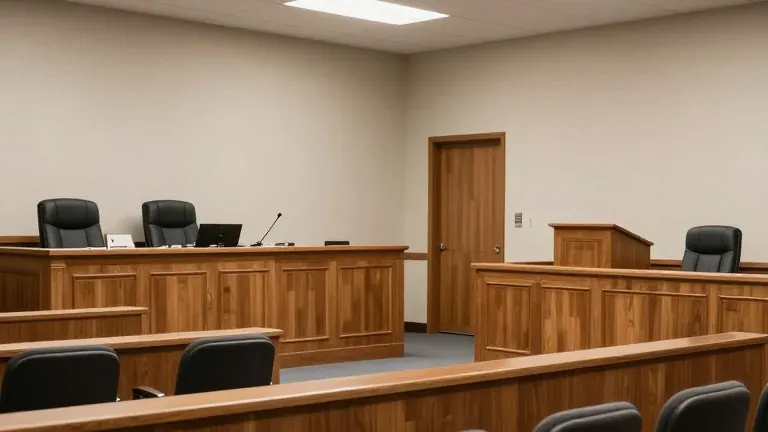
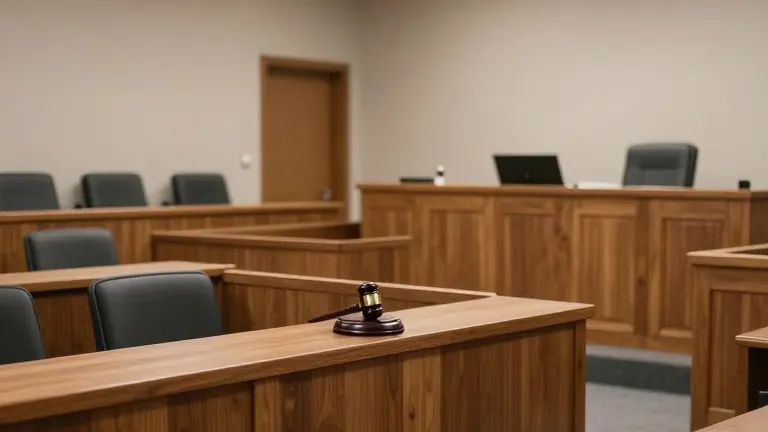
U.S. District Judge Trevor McFadden issued a direct warning to the Justice Department on Friday regarding the handling of a new criminal case against former FBI Director James Comey. McFadden stated he would be extremely frustrated if agents executed a predawn raid on Comey’s residence, specifically noting the image of officers in black pajamas.
The government brought this third case against Comey using a criminal information rather than a standard grand jury indictment or a judicially evaluated criminal complaint. The filing occurred on October 5, exactly ten years after a New York Times report detailed how Yahoo complied with a secret Foreign Intelligence Surveillance Court order to scan email traffic. The charges allege that Comey authorized staff to contact a Times reporter in October 2016 to correct the record on that classified information story.
Comey’s attorney, Ephraim McDowell, told the court that FBI agents were outside his client’s home during the proceedings. McDowell argued that the government missed the ten-year statute of limitations because it failed to secure an indictment before the deadline. His team contends there is no valid case against their client based on this technicality.
Federal prosecutor Dustin Farahnak attempted to reassure the judge, stating the team would not do anything to offend the court. However, legal experts have questioned the mechanism used to file the case. Sarah Krissoff, a former federal prosecutor, described the handling as disturbing, arguing that the government should have either filed a complaint for a judge’s signature or presented the case to a grand jury. She suggested that the current approach undermines the government’s own complaint.
The timing of the unsealed case coincides with a week of scrutiny on political prosecutions in federal court. Earlier this week, a D.C. federal grand jury rejected a case against Cassidy Hutchinson, a key witness for the January 6 committee. In a separate matter, a federal magistrate judge held hearings to examine charges brought against two former FBI employees who were targeted by Trump allies in Congress.
McFadden noted that D.C. grand jurors have recently shown skepticism toward politically charged cases. He joked that grand juries can do surprising things, referencing the recent failures of the administration to secure indictments. The judge remarked that ham sandwiches are harder to indict these days, drawing laughter from the courtroom. He emphasized that if a grand jury ultimately refuses to indict, the current proceedings may prove to be an exercise in futility.
This is the third case against Comey since September 2025. The first, in the Eastern District of Virginia, was dismissed because the prosecutor, Lindsey Halligan, was acting unlawfully as a federal attorney. The second case, filed in North Carolina, stems from an Instagram photo of seashells spelling 8647. Prosecutors called the number a threat, while Comey’s team argues it referenced a restaurant term for being out of stock. A judge in that case has postponed the trial until 2027.
McFadden ordered the latest case unsealed on Monday and set a hearing for Friday to consider Comey’s motion to dismiss. The prosecution is being led by special U.S. attorney Dustin Farahnak, who works under acting Deputy Attorney General Trent McCotter and Associate Deputy Attorney General Aakash Singh. The U.S. Attorney’s Office for the District of Columbia, headed by Jeanine Pirro, is not involved in this specific prosecution.
Source: NBC 6 South Florida