Musk faces congressional probes after Democrats seize control
The tech billionaire spent over $445 million on the midterms and secured billions in federal contracts while leading a government efficiency task force.
By Renata Mehta ·

Elon Musk spent more than $445 million on Republican candidates and political groups during the 2026 midterm elections. Federal election filings analyzed by OpenSecrets confirm this figure, making him the largest donor of the cycle and one of the most prolific political donors in U.S. history. Despite this massive financial outlay, Democrats captured majorities in both the House and Senate.
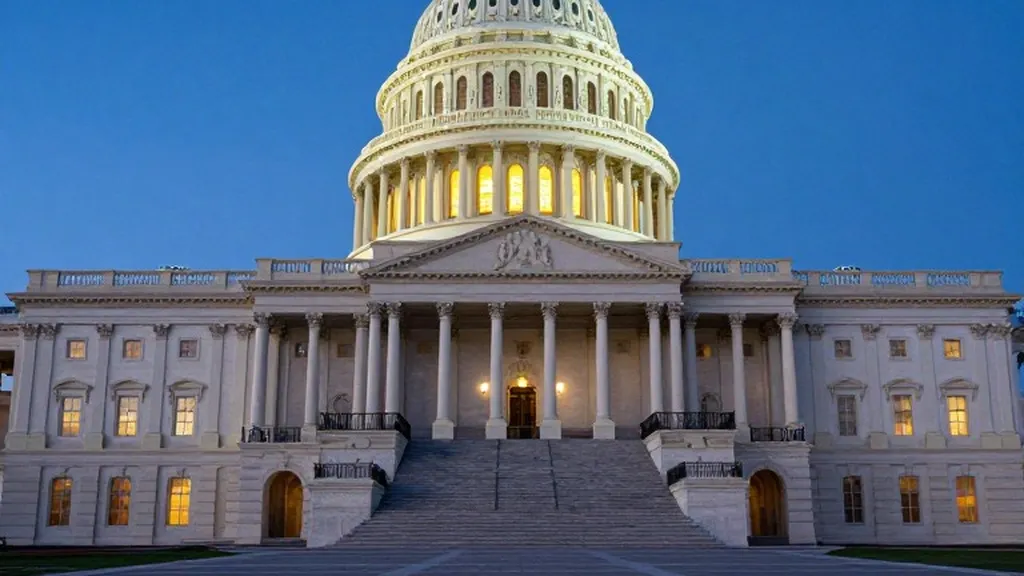
Democratic lawmakers plan to launch investigations into Musk's financial ties to the federal government. Their central question is whether his influence within the Trump administration allowed his companies to secure favorable contracts. They also want to know if taxpayer money and public data were exposed to risk during his tenure.
During the four months he led the Department of Government Efficiency, Musk’s companies received at least $6.3 billion in government contracts. The Democracy Defenders Fund reports that he secured at least another $10 billion in contracts after leaving that role. These figures form the basis for the new congressional scrutiny.
Rep. James Walkinshaw, a Democrat from Virginia, called for immediate accountability. He wrote on X that Musk must answer questions under oath regarding his actions while leading the department. Walkinshaw accused Musk of firing public servants and misleading the American people about savings.
Foreign policy issues are also part of the probe. Sen. Chris Coons of Delaware stated that Musk’s connections to Russian President Vladimir Putin are a key area of inquiry. Rep. Mike Levin of California pointed to specific actions regarding Ukraine. Levin noted that Musk restricted Ukraine's use of Starlink satellite internet days after Trump eased sanctions on Russia in October.
Starlink and its military version, Starshield, support Ukraine's civilian infrastructure and drone operations. Levin questioned how Musk could disrupt an ally's military operations while maintaining a line to the Kremlin. He argued that Musk faces zero accountability to the U.S. government in these matters.
Legal experts say Musk’s role as a part-time special government employee created specific constraints. Richard Painter, former chief White House ethics lawyer, said federal law prohibited personnel from participating in official matters that affected their personal financial interests. Painter noted that if Musk touched decisions impacting SpaceX, a major NASA and Department of Defense contractor, he could have committed a crime.
Texas played a central role in Musk's political strategy. He directed at least $225 million of his midterm spending to the state, supporting Ken Paxton's Senate bid and Gov. Greg Abbott's reelection. Both candidates lost as Democrats won every statewide office in Texas. Musk has moved the headquarters of Tesla, X, SpaceX, Neuralink, and The Boring Company to the state.
The election results affected Musk's business valuations. SpaceX shares fell nearly 4% and Tesla dropped 3% on Wednesday, even as broader markets rose. James Talarico, who defeated Paxton for the Senate seat, said he sent a message to billionaire donors. Talarico stated that power belongs to the people and that the fight is between the top and the bottom. Musk responded to the results on X, joking that his election-interfering space lasers did not work this time.