Sudan's Humanitarian Crisis Deepens as Aid Funding Collapses
With less than half of the required funds raised, UN agencies warn that millions of people in war-torn Sudan face the coming months without shelter, food or protection.
By Amit Chukwu ·
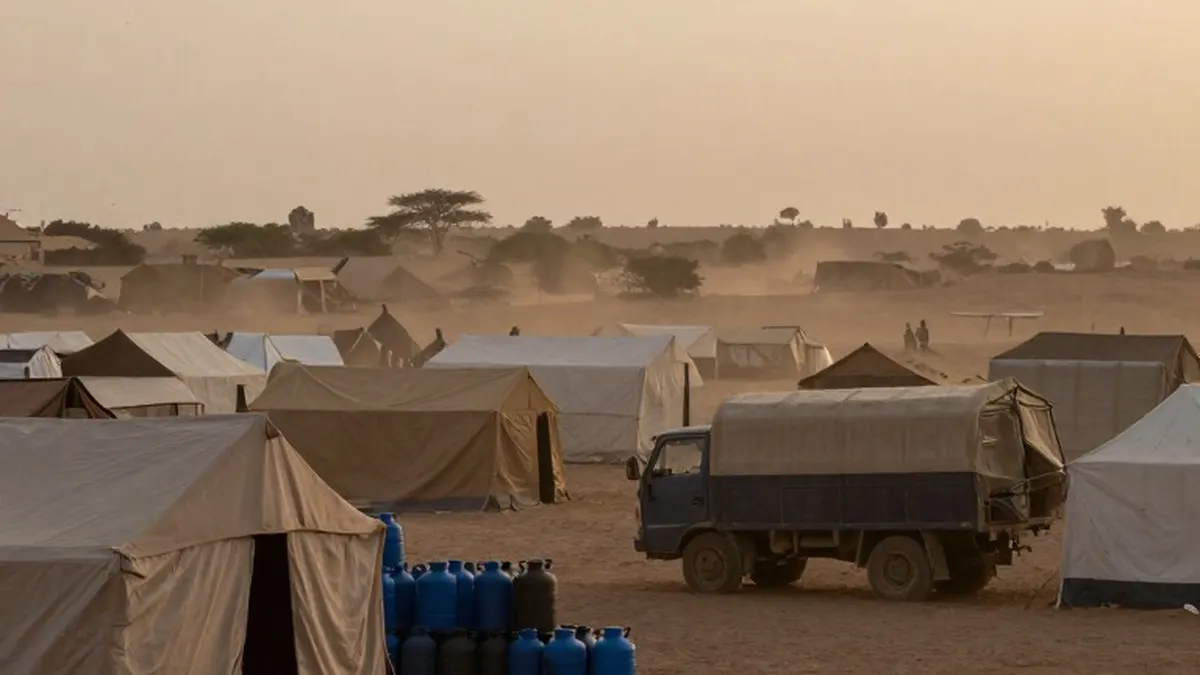
Two major United Nations agencies are warning that severe funding shortfalls have drained stocks of emergency shelter and basic household supplies meant for Sudan. Without a rapid injection of flexible funding, the International Organization for Migration and the UN refugee agency say even more families will be left exposed to extreme weather, insecurity, violence and exploitation in the months ahead.
In a recent joint statement, the agencies said $2.9 billion (about 2.62 billion euros) is required for the UN's Humanitarian Needs and Response Plan, which aims to deliver life-saving assistance to 20.4 million people in Sudan. To date, only 47 percent of that amount has been raised.
Overall, 33.7 million people in the war- and famine-stricken country depend on humanitarian aid, and some 15.4 million of them need emergency shelter and basic household items. Because of the funding gap, aid organizations have so far been able to reach only 10 percent of those in need.
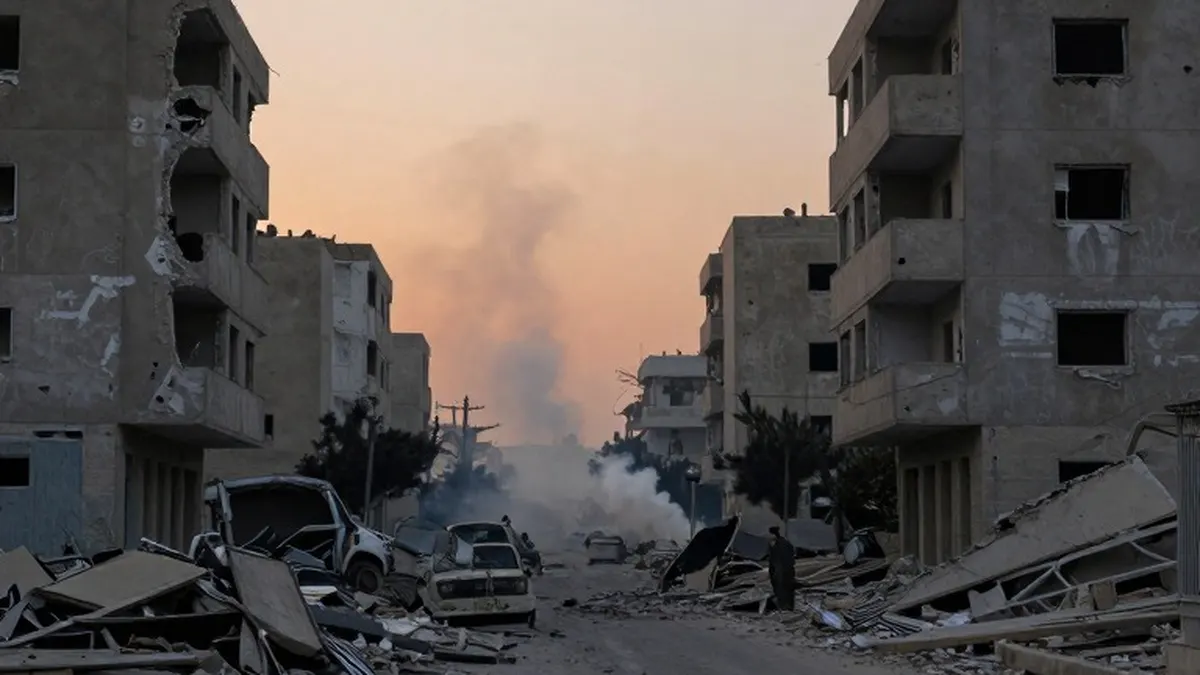
More than three and a half years after fighting erupted between the Sudanese Armed Forces under General Abdel Fattah Al-Burhan and the paramilitary Rapid Support Forces, Sudan remains the world's largest humanitarian and displacement crisis. Around 8.6 million people are displaced inside the country, more than 4.6 million have fled to neighboring states, and another 5.2 million have returned to home regions where towns and infrastructure lie in ruins. Fighting, drone strikes and logistical obstacles further hinder aid deliveries. Estimates of the death toll range from 40,000 to 250,000, with no reliable updated figures available as communications are curbed and many observers have left.
"It's hard to imagine how people are supposed to survive," Marina Peter, chairwoman of the Sudan and South Sudan Forum in Germany, told DW. She noted that large parts of the population have been cut off from aid since the war began, with some people surviving on roots, and that people are returning to war zones partly because food rations in refugee camps have been drastically reduced. Ivo Körner, Sudan specialist at Caritas International, criticized the international community over the decline in support. "Globally, we're seeing a dramatic drop in funding for humanitarian aid," he told DW, adding that not only the United States but also Germany and the European Union are contributing far less than four or five years ago. Caritas supports refugees and host communities in Sudan with cash assistance, drinking water, basic medical care and seeds, but its 2026 projects have been financed solely through donations.
On October 23, the United Kingdom and 31 other international partners, including Germany, issued a joint statement on the looming famine in Sudan, noting that 19.5 million people, roughly 41 percent of the population, face acute food insecurity. The signatories called on the warring parties to allow unimpeded humanitarian access, to stop attacks on civilian infrastructure and to increase international aid funding. Peter welcomed the appeal in principle but pointed to a contradiction: "The question is: Who is this appeal actually directed at?" Most signatories, she said, have themselves systematically cut humanitarian and development funding.
The Sudanese government in Khartoum, led by Al-Burhan's armed forces, rejects all famine warnings. In a statement dated October 26, it described the food situation as reassuring, saying reserves and ongoing agricultural production are sufficient, and accused Western countries of politicizing the humanitarian situation. Peter called that claim "truly cynical and almost perfidious," adding that the government's assertion of unrestricted access for aid organizations does not match reality, as assistance remains obstructed in many places. She also said child mortality in Sudan is above average, though the true scale of the crisis is nearly impossible to measure because the warring parties block humanitarian access.
Alongside hunger and displacement, the danger from drone attacks is growing. The Peace for Sudan Platform appealed on November 5 for an end to strikes on civilians, markets, hospitals and water and electricity supplies, noting that at least 306 people were killed in attacks in the first three weeks of October alone. According to the UN Human Rights Office, drones killed at least 1,120 civilians in the first half of 2026. "Drone strikes are a major problem," Körner confirmed, saying they spread fear and frequently hit civilians while also endangering aid workers, which makes trusted local partner organizations all the more vital for reaching areas that international staff can hardly access.