Trump Demands AI Data Centers Pay Local Energy Dividends to Ease Community Tension
The President's new directive requires hyperscalers to sell excess power to nearby residents, a move aimed at countering rising utility bills and local opposition to massive digital infrastructure.
By Sofia Ramirez ·
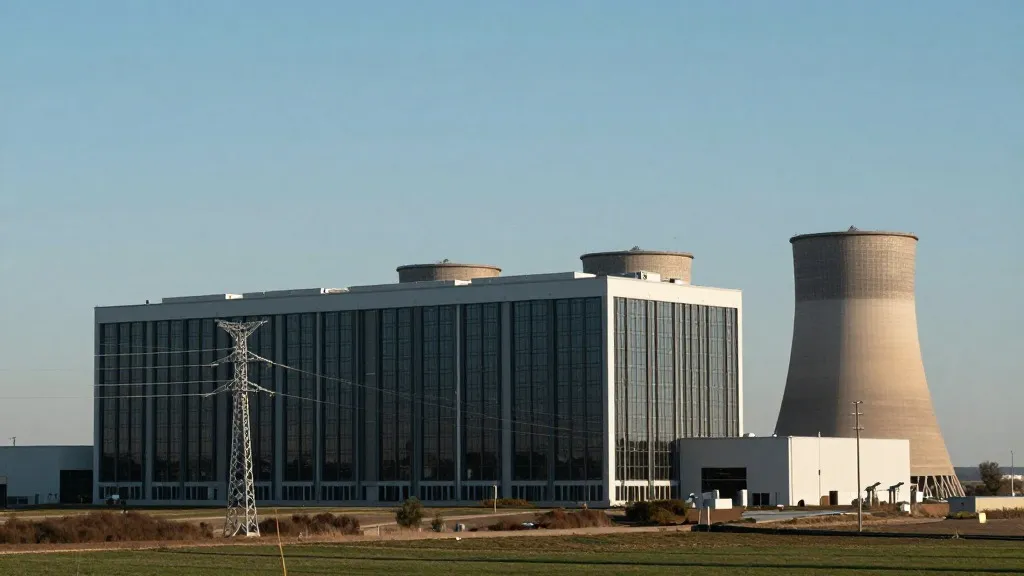
President Donald Trump has formally called for a new standard in the artificial intelligence sector, demanding that data center operators share the costs of their energy consumption with the surrounding communities. In a post on Truth Social on October 21, the President outlined a plan where hyperscalers and builders would be required to provide a financial dividend to local areas. The goal is to offset the recent spikes in electricity prices that have made these facilities increasingly unpopular with residents, potentially even lowering costs for households near these massive sites.
This directive builds on previous administration orders that required these companies to generate their own power rather than relying solely on the existing grid. Trump’s new post emphasizes that this self-generated electricity should not just be used internally. Instead, any excess energy must be given back to or sold to the local community. This approach is designed to turn a source of local friction into a benefit, helping the administration maintain momentum in the global AI race against China while winning back favor with residents who have borne the brunt of infrastructure expansion.
The push for these payments comes as small communities across the United States continue to protest the arrival of AI data centers. Residents have frequently cited outsized impacts on their quality of life, including noise pollution, air quality issues, deforestation, and significant water shortages. Rising electricity bills have become a particularly acute pain point, leading to widespread resistance against new construction projects in various regions.
By mandating a financial return, the White House hopes to make the presence of these centers more acceptable. The administration views this as a practical solution to the growing backlash. A recently passed act already requires data centers to cover the costs of grid upgrades, preventing those expenses from being passed on to local taxpayers. The new energy dividend would likely take the form of partial payments toward rising utility costs, directly alleviating one of the most visible burdens on nearby homes.
Trump expressed confidence in this strategy, noting that data centers which were initially viewed with skepticism have become popular once a financial agreement was reached. "MAKE DEALS, and get them built!!!" he concluded in his post, signaling his desire to accelerate construction timelines by smoothing over local objections with tangible economic benefits.
However, significant questions remain about the practical implementation of this mandate. While addressing electricity costs is a direct response to a major complaint, it does not resolve other persistent issues such as enormous water consumption and ecological damage. Critics note that calling these payments a "dividend" is unconventional, as companies typically pay dividends only when profitable, a status new data centers may not reach for years. Furthermore, the short-term power generation methods often used by these centers, such as gas-powered generators, introduce noise and pollution that may not be offset by financial compensation alone.
Ultimately, the success of this initiative will depend on whether the economic incentives are strong enough to outweigh the environmental and logistical challenges. For now, the administration is betting that a direct financial benefit will transform the public perception of AI infrastructure from a burden into a community asset.
Source: Tom's Hardware