UN Agency Urges Iran to Reopen Nuclear Sites for Inspectors
The IAEA says it is ready to resume checks immediately, but Tehran cites security threats from the United States as a reason to wait.
By Amit Chukwu ·
The International Atomic Energy Agency has formally requested that Iran allow its staff back into the country's nuclear facilities. The agency circulated a report to member states on Friday, stating that restoring access is necessary to fulfill its mission of monitoring Iran's atomic program.
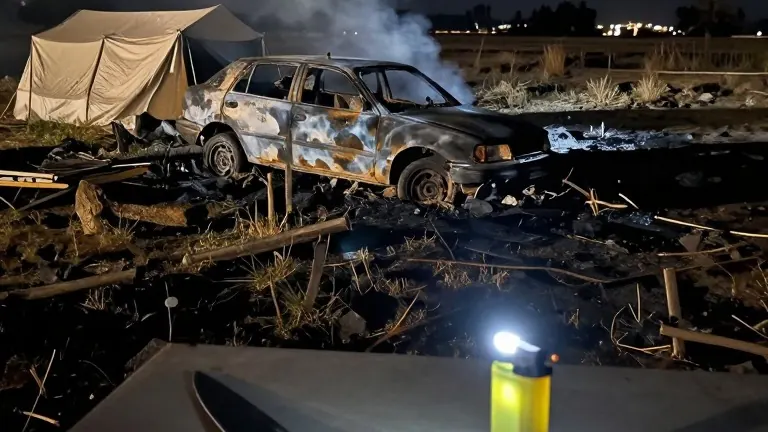
Since the United States and Israel launched attacks on Iran's nuclear sites in June 2025, inspections have been strictly limited. Tehran informed the IAEA that current security conditions make continued inspections difficult. The agency described the lack of information on Iran's atomic sites and nuclear material as a matter of proliferation concern that needs rectification with utmost urgency.
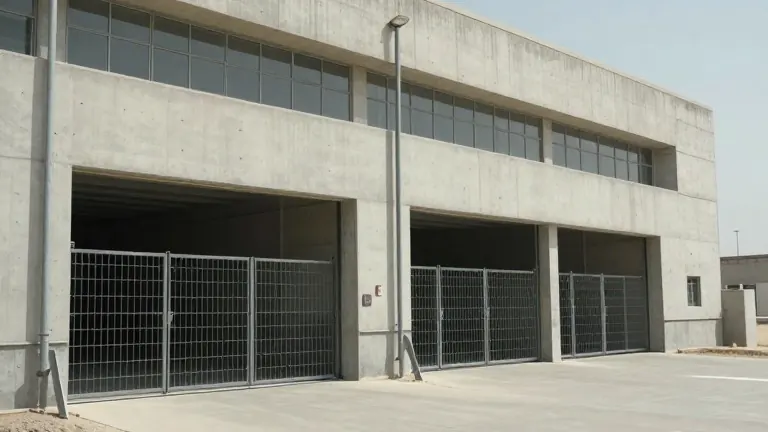
The report singles out the Isfahan Fuel Enrichment Plant for particular concern. Iran declared this underground facility in 2025 but has not yet granted the IAEA access to inspect it. Inspectors do not currently know the plant's precise location, whether it holds nuclear material, or its status under international monitoring rules. The report did not confirm that uranium enrichment is actively taking place at the site.
IAEA Director General Rafael Grossi urged Iran to consider limited technical measures that could facilitate inspection visits. He stated that the organization is fully prepared to resume its safeguards activities in Iran at short notice. The agency's goal is to verify that nuclear material is not being diverted toward weapons, a task it cannot complete independently without direct site access.
Iranian Foreign Ministry spokesperson Esmaeil Baghaei addressed the issue in Tehran on Monday. He affirmed that Iran remains committed to the Nuclear Non-Proliferation Treaty, which aims to prevent the spread of nuclear weapons. However, he blamed the US and Israeli attacks for the reduced cooperation. Since the bombing last year, the watchdog has been unable to verify the status of Iran's stockpile of near-weapons-grade uranium.
The IAEA initially withdrew inspectors for safety reasons, and Iran subsequently passed a law suspending its cooperation with the agency. In this month's correspondence, Iran told the IAEA that discussions on resuming inspections cannot proceed amid persistent and explicit public threats by the US President to commit further acts of armed aggression. Iran stated that the issue will not be resolved until the root causes of the situation are addressed and the essential requirements for normal safeguards are restored.