US Transportation Secretary Blames System Upgrade for Rare FAA Ground Stop
Secretary Sean Duffy attributes the longest nationwide air traffic halt since 2001 to a router maintenance error, ruling out cyberattack or AI involvement.
By Amit Chukwu ·
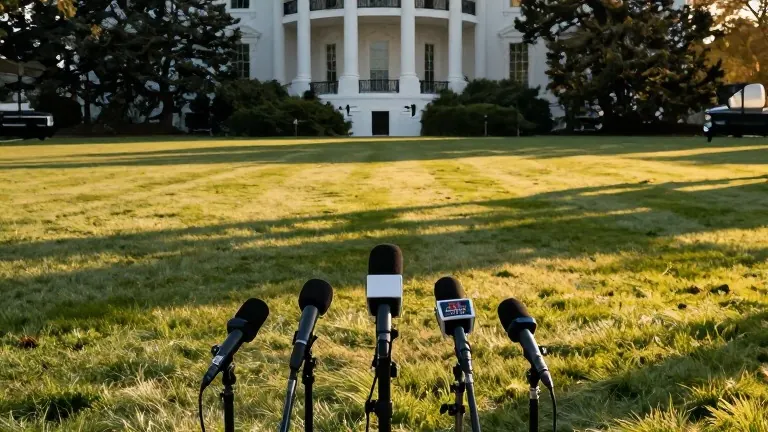
US Transportation Secretary Sean Duffy has identified routine maintenance on an aging telecommunications network as the likely cause of a historic Federal Aviation Administration ground stop. Speaking at a news conference in Washington, DC, on Saturday, Duffy explained that work performed on Friday aimed to upgrade a router from copper to fiber at a remote location. He stated that either a contractor error or a faulty piece of equipment caused the affected router to flood other nodes within the national air traffic control system.
The technical failure resulted in approximately 1,000 connection attempts every four to five seconds, according to Duffy. When these issues disrupted radar feeds and communications between air traffic controllers and aircraft, officials ordered a ground stop to ensure safety. Duffy emphasized that when such disruptions occur, safety is the top priority, necessitating the shutdown of the airspace.
The department identified L3Harris, a US-based aerospace and defense company, as the contractor responsible for the maintenance. L3Harris has been tasked with modernizing the FAA's communications system and has performed work for the agency for decades. Duffy noted that while the company is the prime contractor and owns the network, it did not meet the moment in this instance. He stated that investigators are currently determining whether the issue was due to installer incompetence or a defective router, adding that they intend to hold people accountable.
Al Jazeera reached out to L3Harris for comment regarding the allegations but had not received a response as of Saturday. Amid public concerns that the outage might have been the result of a cyberattack, the US government expressed confidence that this was not the cause. Duffy explained that once the work at the specific location was isolated, all systems came back online, leading officials to conclude that the incident was not cyber-related.
FAA Administrator Bryan Bedford, who also addressed reporters on Saturday, echoed the Secretary's remarks. He stated that the outage was caused by an equipment error and that there was no evidence of nefarious activity or AI involvement. Bedford indicated that a root cause analysis would be shared with the public once it becomes available.
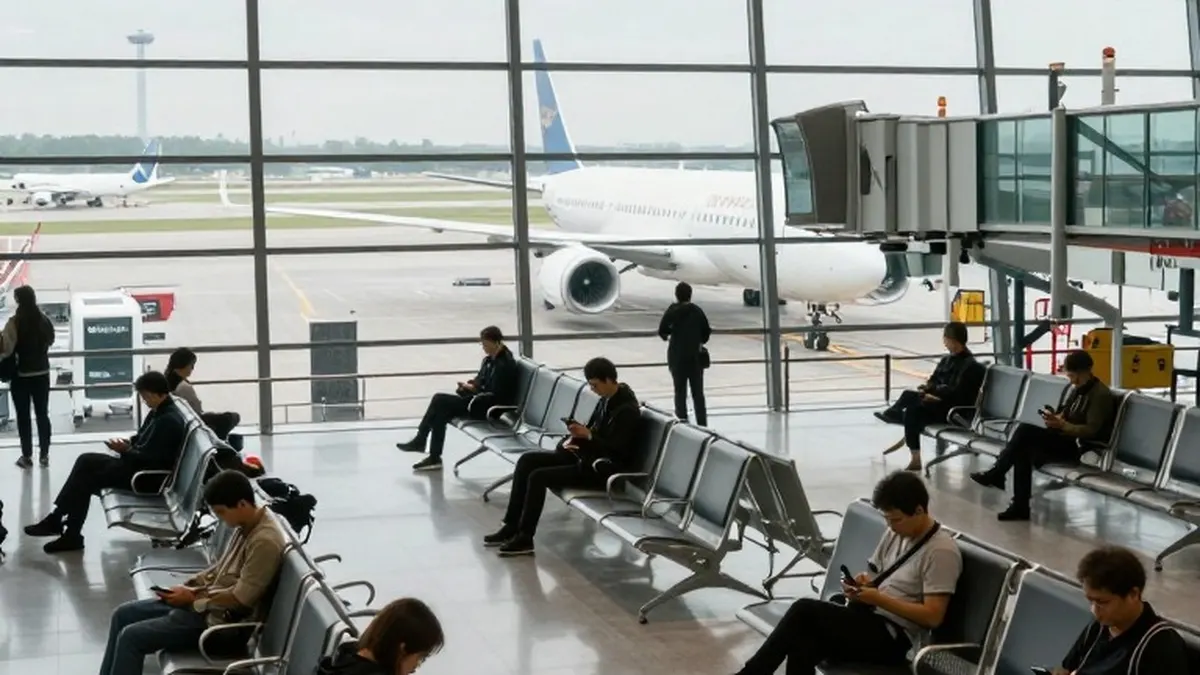
The Friday ground stop marks the longest nationwide halt in air traffic since the September 11 attacks. As airlines and thousands of travelers work to recover from the disruption, the FAA expects to restore full schedule integrity by the end of Sunday. Bedford noted that crews and aircraft are out of position for the 12,000 flights that were lost, requiring pilots and flight attendants to reach their reconnection points.
To facilitate this recovery, the FAA expects between 4,000 and 5,000 of the 41,000 flights scheduled for Saturday to be cancelled. Bedford described this reduction as a necessary step to set up a full recovery for the following day, expressing his belief that the worst of the disruption is behind us.