German Foreign Minister Hails Berlin Summit as Strong Signal to Moscow
German Foreign Minister Johann Wadephul described the Berlin summit of Ukraine supporters as a strong signal to Moscow, urging serious negotiations while confirming continued military and economic support for Kyiv.
By Renata Mehta ·
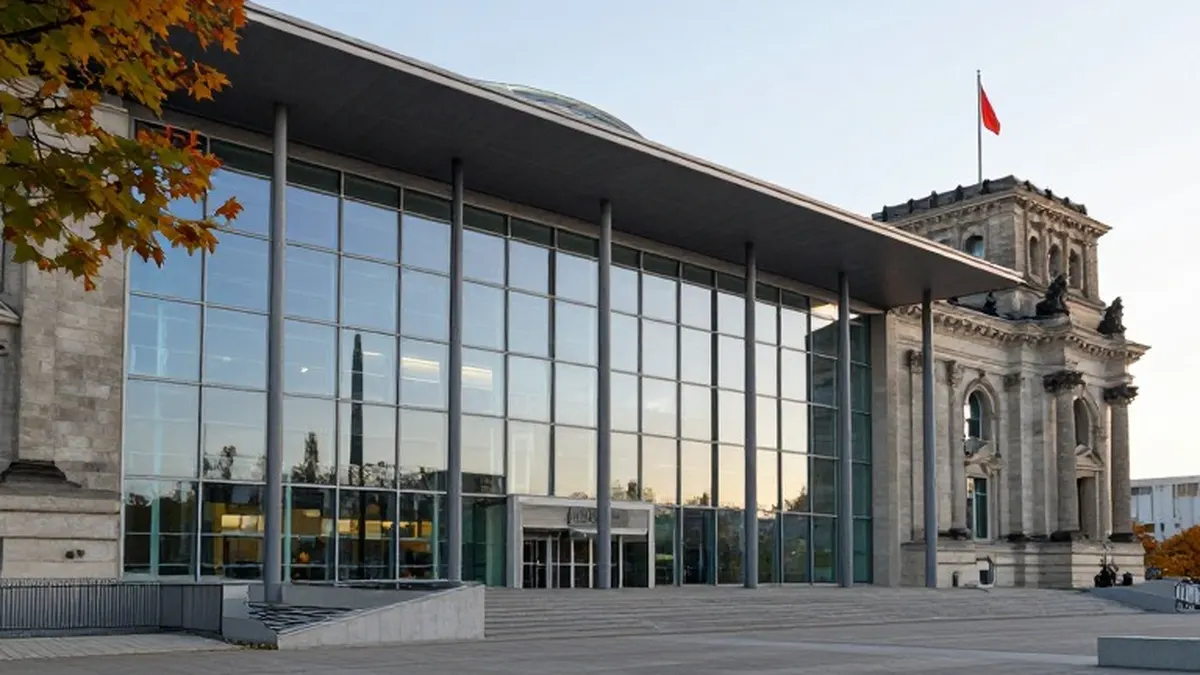
German Foreign Minister Johann Wadephul stated that the recent gathering of the Coalition of the Willing in Berlin conveyed a clear message to Moscow regarding the urgency of serious negotiations to end the war in Ukraine. Speaking to Deutsche Welle while visiting the South Caucasus, Wadephul characterized the Thursday summit as the most extensive assembly of Ukraine’s supporters to date. This event marked the eighteenth round of high-level discussions among the coalition’s participating members.
The minister emphasized that the meeting demonstrated the continued and firm backing of Kyiv’s allies in the fifth year of the Russian invasion. He noted that the coalition remained prepared to take whatever actions were necessary to ensure Ukraine could engage in negotiations from a position of strength. Wadephul succinctly summarized the outcome by telling DW that the summit itself was already a success.
Beyond the internal coalition dynamics, Wadephul expressed welcome for the United States’ initiative to restart peace talks. After a nine-month period without significant progress, an initial meeting was held in Abu Dhabi. A follow-up round is currently planned, with European participation anticipated in the coming sessions.
While optimistic about diplomatic efforts, the Foreign Minister also prepared the ground for potential setbacks. He acknowledged the possibility that negotiations might not yield immediate results. In such a scenario, he said, Europe would need to continue supplying Ukraine with essential resources throughout the coming winter. These supplies would include heating, electricity, and water, ensuring the country’s basic needs are met during the colder months.
Wadephul reiterated the commitment to military support, stating that Europe would continue to stand by Ukraine on the battlefield. He stressed that any eventual peace agreement must incorporate robust security guarantees. These guarantees are intended to protect Ukraine against future Russian attacks and ensure the durability of any ceasefire or treaty.
During his broader trip to the South Caucasus, Wadephul highlighted the importance of inclusion in diplomatic processes. He argued that Ukraine and Europe must be actively involved in any discussions concerning the future of Ukraine. This stance underscores the desire for a negotiated solution that reflects the interests and security needs of the region directly affected by the conflict.
Despite his emphasis on European involvement, Wadephul welcomed recent trilateral interactions involving US President Donald Trump, Russian President Vladimir Putin, and Chinese President Xi Jinping in Shenzhen. He adopted a pragmatic view on diplomatic engagement, telling DW during a visit to Azerbaijan on Wednesday that every conversation that takes place is a good conversation. This comment suggests a willingness to value dialogue over silence, even when the participants are global powers with varying interests.
The diplomatic momentum continued later on Thursday when Russian President Vladimir Putin made a public statement. Putin indicated that he had invited European leaders to Moscow for talks. The purpose of this meeting would be to discuss the potential structure of future negotiations aimed at ending the war. This invitation adds a new layer to the ongoing diplomatic exchanges between Europe and Russia.
The series of events highlights a complex diplomatic landscape where multilateral coalitions, bilateral talks, and trilateral summits all play concurrent roles. As the war enters its fifth year, the focus remains on securing a peace that is both achievable and sustainable. The signal sent from Berlin appears to be one of unity and resolve, while the invitation from Moscow suggests a readiness to formalize the framework for these critical discussions.
Observers will now watch closely to see how the planned follow-up rounds in Abu Dhabi and the potential talks in Moscow unfold. The interplay between military support, economic aid, and diplomatic pressure will likely determine the trajectory of the conflict in the months ahead. For now, the message from Berlin is clear: allies are united, prepared, and ready to engage in the serious work of ending the war.