Breakthrough Melanoma Vaccine Cuts Death and Recurrence Risk by 42 Percent
Personalized mRNA therapy shows significant survival benefits in late-stage trial, prompting immediate regulatory discussions.
By Kavya Kapoor ·
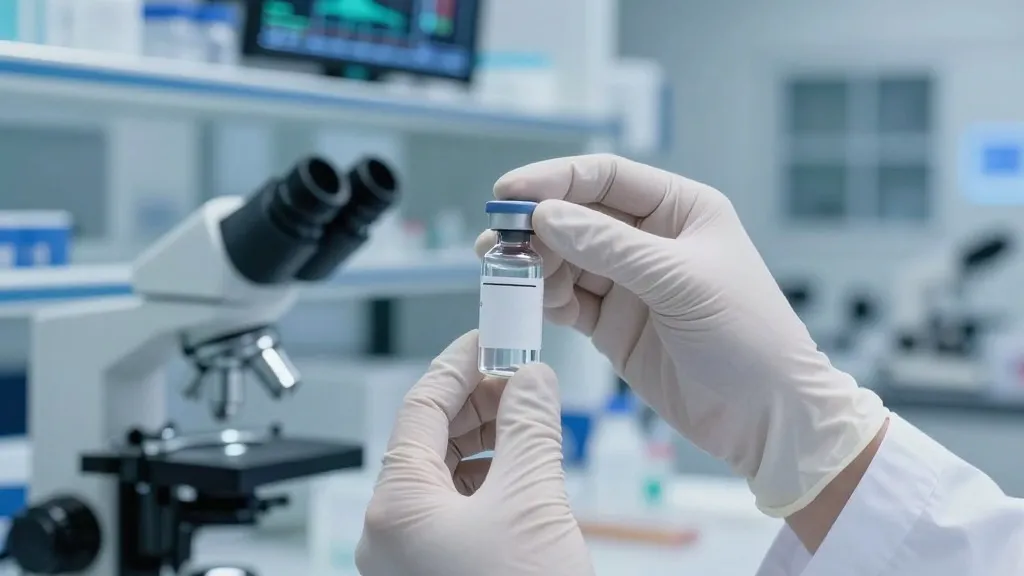
The landscape for treating the deadliest form of skin cancer has shifted dramatically following the release of late-stage clinical data. On Thursday, pharmaceutical partners Merck and Moderna announced that their personalized mRNA vaccine reduced the risk of death or recurrence by 42 percent compared to standard care alone.
The trial involved 1,137 patients diagnosed with stage IIB, IV melanoma, a condition where the cancer has spread beyond the original site. All participants had previously undergone surgery to remove the visible tumors before entering the study. Researchers randomized the group in a 2-to-1 ratio; two-thirds received the experimental personalized mRNA vaccine in combination with a standard treatment, while the remaining third received only the standard therapy.
The standard treatment used in the control group was Keytruda, Merck’s established monoclonal antibody drug. This comparison isolates the added benefit of the mRNA vaccine, demonstrating that the personalized approach provided a substantial advantage over the existing gold standard of care for advanced melanoma patients.
Although the two companies confirmed in August that the vaccine had met its primary endpoints, they withheld specific numerical details until the data could be formally presented at a major scientific gathering. That conference is the European Society of Medical Oncology, which is currently underway in Madrid, Spain. The full dataset has been accepted for publication in the New England Journal of Medicine, a top-tier medical journal.
The official release of the top-line results occurred earlier than planned due to a breach in the media embargo. An oncology news site reported the findings before the scheduled Saturday presentation, prompting the partners to make the key statistics public immediately. This early disclosure underscores the magnitude of the results and the anticipation surrounding the new therapy.
Moderna CEO Stéphane Bancel addressed the milestone in a company statement, emphasizing the long-held belief that mRNA technology allows for treatments uniquely matched to an individual’s specific tumor. He described the results as a defining moment for the company's vision, noting that they demonstrate what is possible when the fundamental process of medicine creation is rethought.
Bancel further stated that these findings reinforce the conviction that mRNA technology has the potential to fundamentally alter cancer treatment paradigms. The success suggests that individualized cancer-targeting medicines are moving from theoretical promise to clinical reality, offering a new direction for oncology beyond traditional chemotherapy and broad-spectrum immunotherapies.
With the data now public, Merck and Moderna are actively engaging with regulatory authorities to seek approval for the vaccine. The next steps involve navigating the approval process, which will determine when this personalized therapy becomes available to patients. For readers in Texas and the South Central states, where sun exposure remains a significant risk factor for melanoma, this development offers a promising new line of defense against the disease.
Source: Ars Technica