Apple Ramps Up Production of iPhone Duo Amid Surging Demand
The tech giant has raised its initial shipment target to 14 million units after pre-orders for its first folding smartphone triggered immediate delivery delays.
By Tariq Mahmoud ·
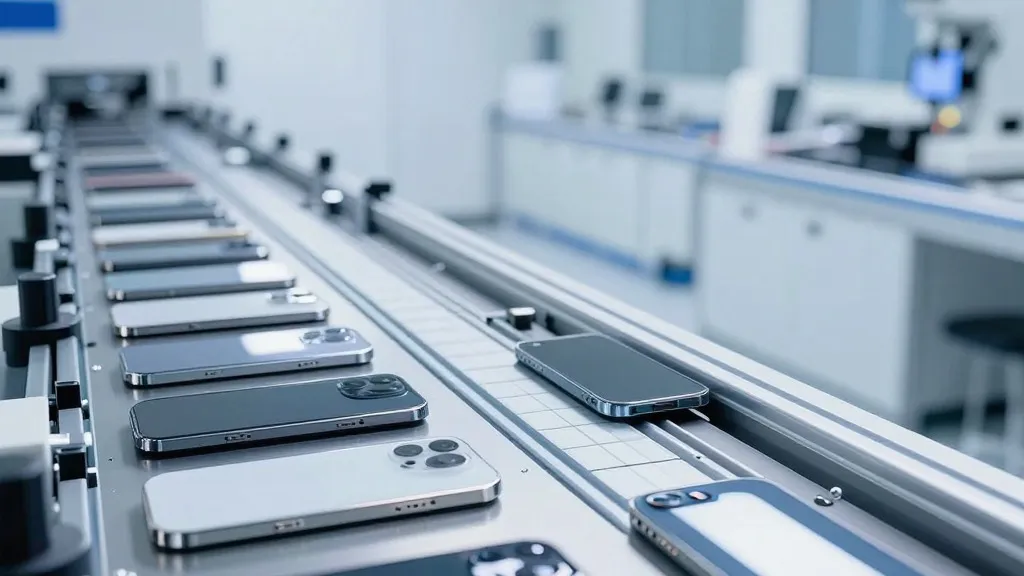
The rollout of Apple’s first folding smartphone began with a logistical scramble that has now been confirmed as a story of insatiable consumer appetite. When pre-orders opened on Friday, delivery windows extended almost instantly, with some customers seeing estimates pushed into late January. While the company cited 'extraordinary' demand, a phrase it frequently deploys during major product launches, supply chain data released this week suggests the initial delays were not merely a result of limited inventory, but rather a signal of a market surge that Apple is now actively working to meet.
The tension in the supply chain was evident from the moment orders went live. Customers reported receiving extended shipping dates within minutes of the launch, creating immediate uncertainty about whether the device was in short supply or if demand was simply higher than forecasted. To manage the influx and prevent scalping, Apple restricted purchases to a maximum of two units per customer. However, the subsequent adjustment of estimated shipping dates for early adopters points toward a deliberate acceleration in manufacturing rather than a static supply limit.
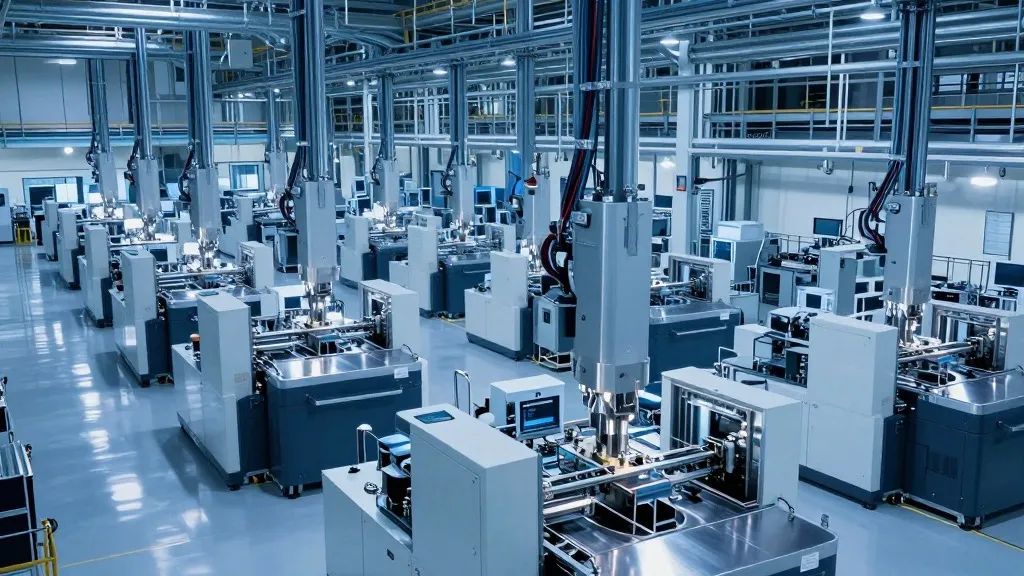
According to reports from DigiTimes, which cited supply chain sources, Apple has significantly increased its production commitments for the iPhone Duo. The company has boosted its shipment targets from an initial projection of 9.7 million units to 14 million units over the first twelve months. This 40 percent increase in order volume reflects an internal assessment that strong demand is likely to persist well beyond the initial launch period, prompting a major ramp-up in factory output to keep pace with sales.
The shift in production strategy underscores a broader confidence in the folding category. By elevating its shipment goals, Apple is signaling to both its manufacturing partners and the market that the iPhone Duo is expected to perform at a level comparable to, or exceeding, its traditional flagship models. This aggressive scaling is designed to ensure that the hardware availability matches the software and marketing push, reducing the friction that often accompanies new form factors.
While the hardware production scales, the software ecosystem is still catching up. Early users of the device are encountering third-party applications that have not yet been optimized for the dual-screen layout. Apple has stated that this situation is improving rapidly as developers prioritize updates for the new platform. However, the lack of full app optimization remains a notable point of contention in early user experiences, highlighting the ongoing challenge of transitioning an established app ecosystem to a new hardware architecture.
Initial reviews based on a week of usage have presented a consistent narrative regarding the device's functionality and limitations. App support has emerged as one of the five key takeaways in these assessments, alongside other significant design choices. Notably, the decision to utilize Touch ID instead of Face ID was a point of discussion among early adopters and reviewers, marking a distinct departure from the security standards of previous flagship iPhones.
In response to the feedback regarding biometric authentication, reports indicate that Apple is already testing prototypes for the iPhone Duo 2 with Face ID technology. This suggests that the company views the current biometric setup as a provisional step rather than a permanent design philosophy for the folding line. The rapid iteration on biometric features reinforces the idea that the iPhone Duo is being treated as a critical, evolving product line rather than a one-off experiment.
For consumers in Texas and the South Central states, the increased production targets may translate to shorter wait times for upcoming shipments, provided that logistics can keep up with the new manufacturing pace. The combination of raised shipment targets and rapid software updates indicates a company that is responsive to the unique challenges posed by its first major hardware pivot in several years.
Source: 9to5Mac