NSA Classified Network Offline Following Routine Maintenance
A temporary outage affected the NSA's internal classified network on Tuesday, adding to a recent string of technical disruptions across government and private sectors.
By Grace Almasi ·
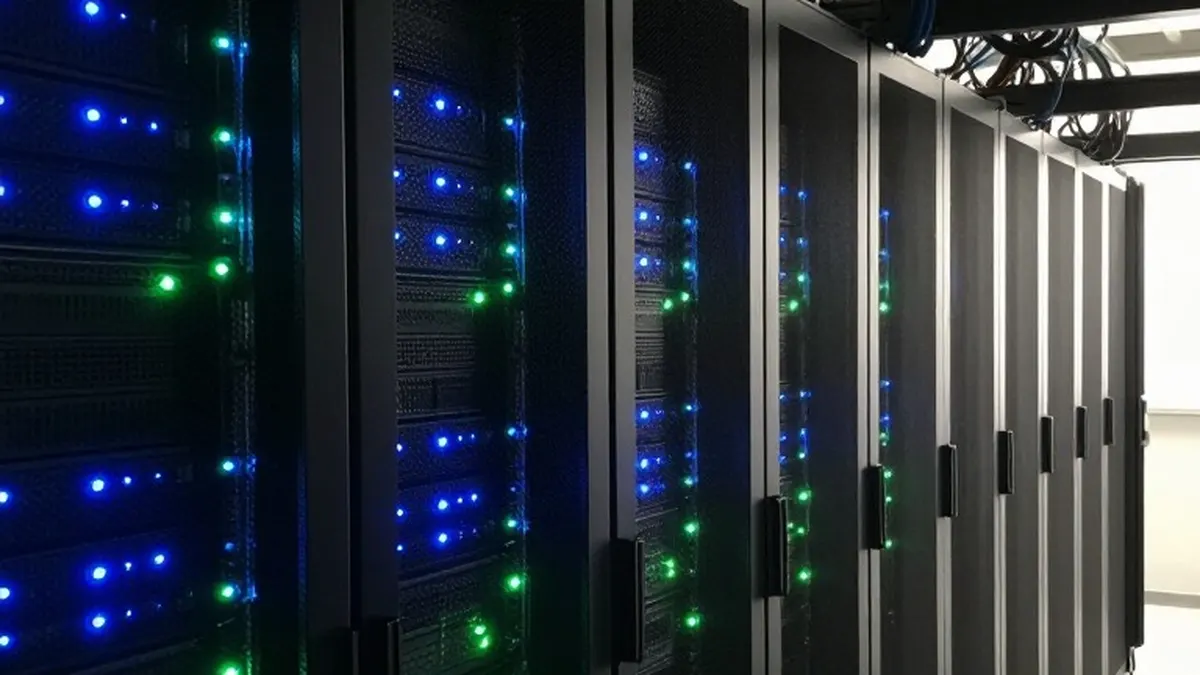
The National Security Agency confirmed that its internal network used for transmitting classified information was offline on Tuesday. The agency attributed the disruption to scheduled routine maintenance, although the issue temporarily affected operations on NSANet, a system utilized by agency employees.
A defense official, who was not authorized to be named, informed The Associated Press that the problem caused a disruption to the classified network. The official spoke on the condition of anonymity. The NSA released a statement acknowledging the temporary degradation of service during the maintenance period.
In the statement, the agency assured the public that its mission-critical capabilities remained fully operational. The NSA emphasized that its infrastructure is built with multiple layers of redundancy to ensure continuity during both planned maintenance and unexpected events. The agency did not provide further details regarding the specific cause of the outage or the exact scope of the disruption.
The incident was first reported by CNN. It is part of a broader series of cyber-related disruptions affecting critical functions in both the government and private sectors over the past week. On Friday, a system overload led to a ground stop for air traffic across the United States. On Monday, a technical issue at JPMorgan Chase created ripple effects within the financial system, while United Airlines experienced an internal systems outage that delayed departing flights.
On Tuesday, Apple acknowledged on its system status page that full outages affected its Apple Music, App Store, and AppleCare services following an internal update. Despite the frequency of these events, top national security officials in the Trump administration stated there is no indication that the incidents are related or caused by hostile cyberattacks.
Secretary of State Marco Rubio, who also serves as the president's national security adviser, addressed reporters while traveling with the president in Asia. He stated that there is zero evidence to suggest that these isolated instances are connected to nefarious actors, cyber hackers, criminals, or foreign nation-states. Rubio described the daily reports of technical failures as unsettling but noted that each event is distinct in its causation, often being highly technical in nature.
Jay Clayton, the administration's director of national intelligence, suggested that the disruptions are a result of institutions and companies upgrading their computer systems simultaneously. In a Tuesday interview with CNBC, Clayton explained that many organizations are patching systems because legacy infrastructure is outdated and vulnerable. He noted that the process of taking systems down and bringing them back up for upgrades naturally leads to periodic technological hiccups.
Sen. Mark Warner, the Democratic vice chairman of the Senate Intelligence Committee, supported this assessment in a statement. Warner noted that artificial intelligence is enabling the rapid identification of vulnerabilities across many systems. This creates significant pressure on agencies and companies to patch these issues immediately, often all at once. He argued that this places tremendous strain on systems not designed for such a rapid pace of change.
Warner concluded that while investigations into these incidents are necessary, the evidence currently points toward legitimate efforts to secure digital infrastructure rather than malicious activity. The convergence of these updates highlights the ongoing challenges in modernizing digital systems across the country.
More News · National news · Report a business · Got a Story?