Cuba Faces Deepening Crisis as U.N. Prepares to Vote on U.S. Embargo
The General Assembly is set to condemn the trade restrictions again, even as President Trump threatens military involvement and public exchanges between diplomats grow heated.
By Renata Mehta ·
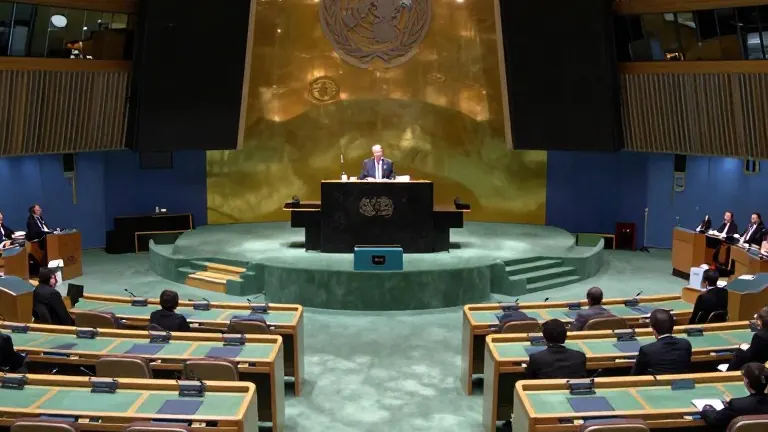
The United Nations General Assembly will vote Wednesday on a resolution condemning the decades-long U.S. economic embargo on Cuba. The annual measure has passed by large margins for 34 consecutive years, with the 2025 vote recording 165 yes votes, seven no votes, and 12 abstentions among the 193 member states.
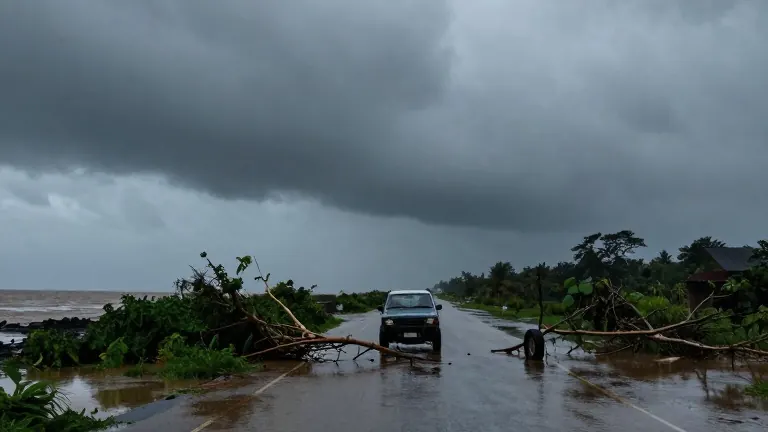
The timing of the vote coincides with intensifying pressure from the Trump administration to undermine the Cuban government. President Donald Trump recently suggested that U.S. warships could stop in Cuba on their return from the Iran war. This statement followed his late-January announcement that the United States would impose tariffs on any nation selling or providing oil to the island. Those tariffs have effectively cut off fuel supplies, causing widespread power outages that disrupt cooking, water systems, and internet and telephone services.
Tensions between Washington and Havana have moved beyond closed-door negotiations and into public view at the U.N. On Tuesday, U.S. Ambassador Mike Waltz and Cuban Foreign Minister Bruno Rodríguez engaged in a shouting match on the General Assembly floor. Rodríguez approached the podium while Waltz was speaking and called him a liar. Rodríguez sought a point of order from the session presiding officer.
Waltz responded by telling Rodríguez to step back from the podium. “This individual needs to back away from this podium. He’s not going to intimidate me in the United States of America,” Waltz said as security personnel attempted to intervene. He added, “You understand who you’re dealing with? This is America. Back up.”
Rodríguez posted on social media platform X that Waltz was at the United Nations, not a White House security meeting. Rodríguez described the U.S. government’s actions as a desperate attempt to justify economic aggression and a criminal energy blockade. A similar confrontation occurred a week earlier outside a U.S.-hosted panel featuring Cuban dissidents and former prisoners, involving Waltz and Cuban diplomat Ernesto Soberón Guzmán.
The U.S. embargo was first imposed in 1960 after Fidel Castro’s revolution overthrew dictator Fulgencio Batista and nationalized properties owned by U.S. citizens and corporations. The current diplomatic friction marks a departure from traditional U.N. decorum. The upcoming vote is not legally binding, but it serves as a measure of global opinion on the trade restrictions.
Source: WDIV ClickOnDetroit