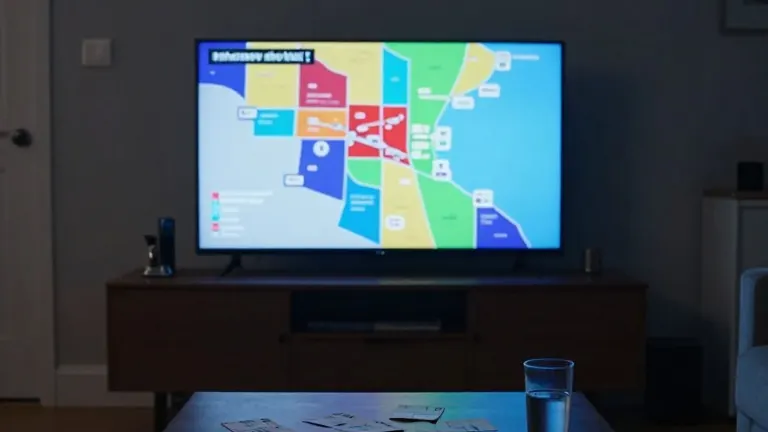
Democrats seize full control of Congress as red-state voters shift
Voters in traditionally Republican states flipped key Senate and governorship races, giving Democrats a majority in both chambers for the first time in years.
By Amit Chukwu ·
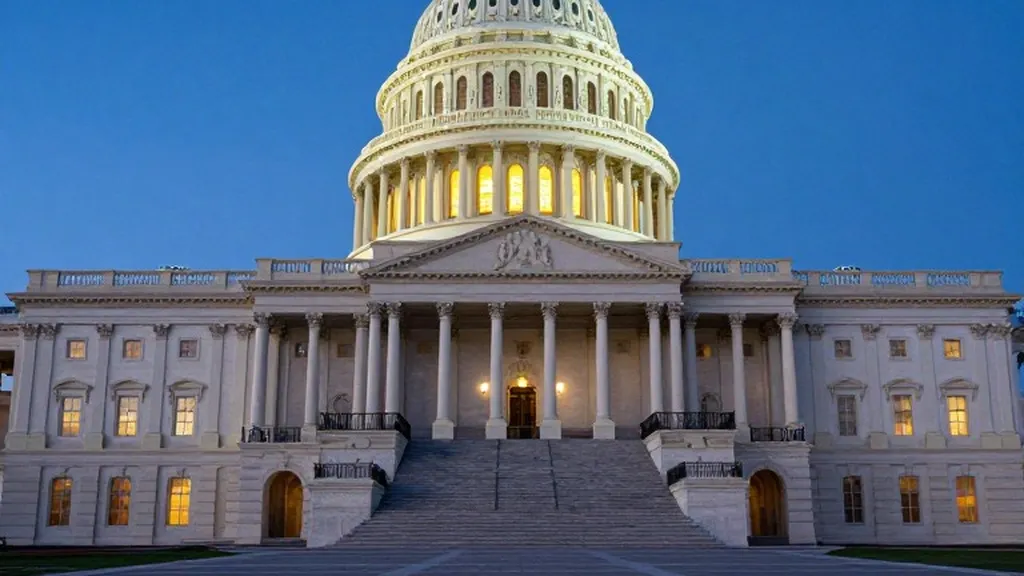
Democrats captured a 51-seat majority in the U.S. Senate and control of the House of Representatives on Tuesday, ending Republican dominance in both chambers of Congress. The shift marks the largest congressional turnover in two decades, driven by voters in states that have historically leaned Republican.
NBC News projected that Democrats now hold full control of the federal government. The party flipped six Republican-held Senate seats in Maine, Iowa, Kansas, Ohio, North Carolina, South Carolina, and Texas. These states include jurisdictions where Democratic victories were unexpected just a year ago.
In South Carolina, Democrat Annie Andrews defeated Republican Darline Graham. The seat was vacated following the death of Lindsay Graham. NBC News identified this race as an early indicator of the evening’s results, noting that the state was previously considered out of reach for Democratic candidates.
James Talarico won the U.S. Senate seat in Texas, defeating Ken Paxton. Josh Turek took a Senate seat in Iowa, while Adam Hamilton flipped a seat in Kansas. In Maine, Democrat Troy Jackson led in the race against incumbent Susan Collins.
Governorships changed hands in four states. Gina Hinojosa, the Democratic candidate, defeated Greg Abbott in Texas to become the first Mexican woman to serve as a state governor. In Ohio, Amy Acton became governor after Sherrod Brown, a Democrat, returned to the Senate by defeating Jon Husted. Xavier Becerra won the governorship in California, becoming the state’s first Latino governor.
Keisha Lance Bottoms of Georgia became the first Black woman elected governor in the United States. David Crowley will serve as the first Black governor of Wisconsin. Stacey Plaskett was elected governor of the U.S. Virgin Islands.
Exit polls from NBC News indicated that 43% of midterm voters said opposition to President Trump was a primary reason for their vote. Seventy-one percent of respondents, including 41% of Republicans, stated that Congress has not provided enough oversight of the administration. Affordability, corruption, immigration, and the war in Iran were also cited as key issues. President Trump posted on social media that he was not on the ballot and claimed Republicans would have won in a landslide had he been included.