Texas Legislature: 1,000 bills filed ahead of 2027 session
The new legislative term begins on January 12, 2027, with proposals covering school funding, immigration policy, and Medicaid expansion under a newly divided government.
By Grace Almasi ·
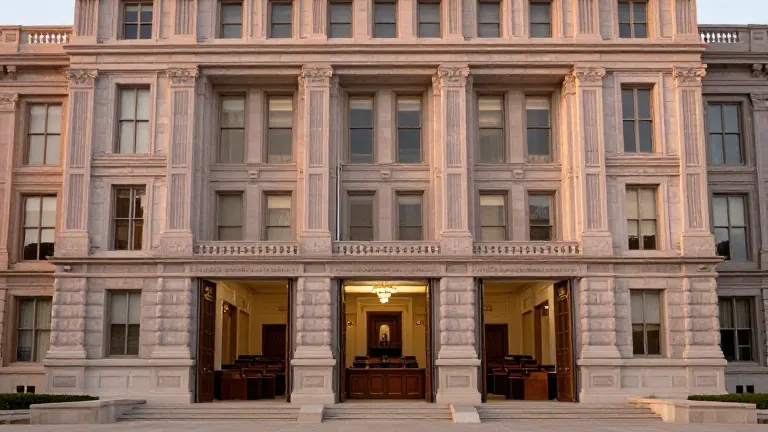
Texas lawmakers filed more than 1,000 bills for the new legislative session starting on January 12, 2027.
The proposed legislation addresses a wide range of state issues, from public education to healthcare and labor standards.
Several bills seek to change how the state operates, including financial structures and federal partnerships.
Public finance measures propose funding public schools based on student enrollment counts. Another proposal aims to expand Medicaid coverage for residents. A third bill seeks to raise the state minimum wage.
Immigration and education policy face direct challenges in the new docket. One bill proposes repealing the 287(g) program, which allows local law enforcement agencies to collaborate with U.S. Immigration and Customs Enforcement. A separate measure would eliminate the state's school voucher program.
The 2027 session will operate under a new political balance. Democrats hold the majority of seats in the Texas House of Representatives. Republicans retain control of the state Senate. Gina Hinojosa, the elected governor, becomes the first Democrat to lead the state in nearly four decades. Nathan Johnson was elected as attorney general. Vikki Goodwin will serve as the elected vice governor leading the Senate.
Senator José Menéndez, who represents the San Antonio area, spoke to the potential of the new term. "Durante esta histórica sesión, tenemos la oportunidad de lograr un cambio real y significativo," he said. "Nuestro equipo ha trabajado junto a nuestros electores, defensores y expertos para elaborar soluciones que mejoren la asistencia a nuestra comunidad."
The bills must clear a multi-step process to become law. A legislator introduces a bill in either the House or the Senate. A specialized committee analyzes the proposal and can debate, modify, or reject it. If the committee approves the measure, the full chamber votes on it. The other chamber must then pass the same version. If the two chambers pass different versions, a conference committee negotiates a final text. The governor can sign the bill, veto it, or allow it to become law without a signature. Most laws take effect 91 days after the session ends.