European Nations Face Missile Shortages Due to U.S. Supply Delays
A decade of reliance on American air defense systems has left European countries with locked-in contracts and a growing backlog of critical munitions.
By Amit Chukwu ·
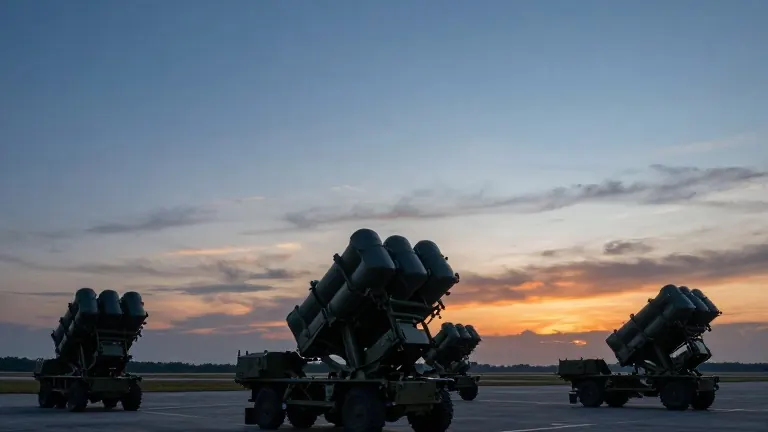
European defense planners now confront a supply crisis born from their heavy reliance on American technology. Over the past ten years, many nations shifted toward U.S. systems like the Patriot missile defense network. This equipment is designed to intercept ballistic threats and has become central to European air defense strategies. The initial logic favored American gear for its high quality and immediate availability.
That availability is no longer guaranteed. A major backlog of missiles has emerged as demand continues to rise. Production delays contribute to the shortage, but U.S. military needs in Iran also consume a large share of the supply. The U.S. focus on the Iran conflict diverts resources that were previously earmarked for European partners.
European countries that purchased systems like Patriot are now contractually locked into American equipment. They cannot easily switch to a different supplier to secure additional missiles. This dependency leaves them vulnerable to production schedules set in Washington. Delays and rising costs are now standard features of these defense agreements.
The strategic gap became visible as threats from Russia remained a persistent concern in Europe. While the U.S. prioritized its operations in Iran, European nations waited for munitions that were promised but not delivered. The inability to secure hundreds of missiles on time has forced a reevaluation of previous procurement choices.
Analysts at Bruegel argue that Europe missed a critical window for action in 2022. Calls to fund and order air defense systems from within the continent were largely ignored at the time. The group states that this inaction has made the current strategic gap all too visible. The opportunity to invest in homegrown systems has passed, leaving Europe dependent on external supply chains.
Business journalist Paddy Hirsch notes that U.S. presidents have long warned against European over-dependence. He points out that Donald Trump is the first leader to force the issue aggressively. Hirsch argues that this pressure serves a purpose by compelling Europe to reduce its reliance on American technology. He believes the continent must wean itself off U.S. support to protect its own long-term interests.
The divergence between U.S. and European interests is expected to grow over the next few decades. Hirsch suggests that the unpredictability of presidential policies is just one factor in this shift. European nations now face the task of rebuilding their defense independence while managing the immediate costs and delays of their existing U.S. contracts.