Ireland's climate watchdog cites €32.9 billion return on nature investment
The independent council urges the government to allocate long-term funding for ecosystem restoration, noting that benefits outweigh costs by a factor of six.
By Amit Chukwu ·
The potential economic return from restoring natural habitats in Ireland stands at €32.9 billion, according to a new assessment by the Climate Change Advisory Council. This figure dwarfs the estimated cost of the restoration work, which is projected at just under €5.8 billion over the period from 2024 to 2050. The council describes this disparity as a strong economic case for immediate government action.
The independent watchdog expressed disappointment that the government did not allocate specific funds for the country's Nature Restoration Plan in last month's budget. No money was also drawn from the Infrastructure, Climate and Nature Fund, which has been operational since 2024. The council argues that this lack of financial commitment leaves the nation vulnerable to the increasing frequency of extreme weather events.
Council member Prof Yvonne Buckley stated that the scale of the problem is evident, with 90 per cent of protected natural habitats in Ireland found to be unhealthy in the most recent assessment published last year. She noted that the government has yet to commit the long-term funding required to reverse this decline. Buckley emphasized that nature serves as critical infrastructure, not an optional extra, and is essential for achieving climate mitigation and adaptation targets.
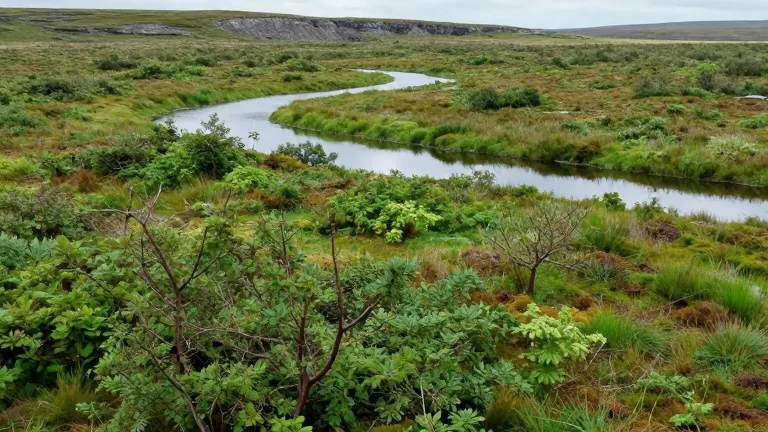
The council identifies several specific areas requiring urgent restoration. Flood plains and peatlands need repair to soak up extreme rain and protect communities from flooding. Urban areas require more green spaces and trees to provide shade and cooling during heatwaves. Coastal lands, dunes, and salt marshes must be preserved to defend against sea-level rise and storm surges. Additionally, hedgerows should be expanded, and new native forestry planted to prevent land erosion and improve resilience against wildfires and diseases.
The report outlines a detailed strategy for the government to address these gaps. It calls for the creation of a dedicated funding stream for landowners to deploy nature restoration, with priority locations identified by early 2028. The government is urged to map existing urban green space and canopy cover by autumn 2027 to inform a long-term tree-planting strategy. The council also recommends adding biodiversity-related jobs to the Critical Skills Occupations list to address a current shortage of expertise.
This recommendation comes days after the Cop17 global biodiversity summit concluded in Yerevan, Armenia, where nearly all countries pledged to accelerate action to halt the loss of nature. Minister for Nature Christopher O’Sullivan, who led the Irish delegation, said he was working with Cabinet colleagues to create a dedicated Nature Restoration Fund. He hopes to have details of the fund available before the end of the year.
Source: The Irish Times
More Business · Customer Complaints · Report a business · Got a Story?