North Korea Farms Young Hackers for Cash and Cyber Power
The regime recruits students as young as 11, promising apartments and foreign travel in exchange for stealing billions in digital assets.
By Amit Chukwu ·
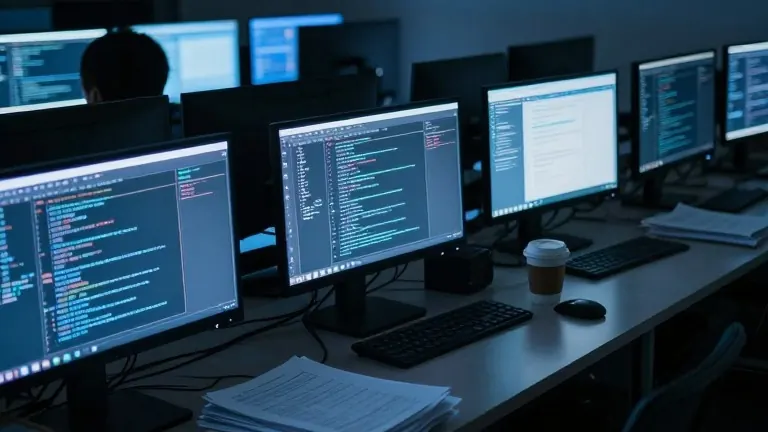
North Korea has built a massive cyber army by recruiting gifted schoolchildren into a system that offers elite rewards for digital theft. The program has expanded from small-scale scams to major attacks on global financial systems. Defectors and analysts say this strategy helps the isolated state generate hard currency and maintain military leverage.
Last month, the FBI and Binance identified North Korea as the source of a $6.3 billion hack of the cryptocurrency exchange. Blockchain investigation firms linked the theft to TraderTraitor, a North Korean hacking group. Pyongyang denied responsibility, calling the accusations politically motivated fabrications.
The recruitment process begins in elementary school. Authorities select 150 to 200 students each year for computer science education. Former hacker trainer Kim Heung-kwang and two defectors who worked in information technology said children as young as 11 or 12 enter the pipeline. At age 17, top students advance to the country's leading universities. Further screening determines who joins the military's cyber unit.
The curriculum is intensive. Students study cryptocurrency protocols, reverse-engineering of foreign hardware, advanced mathematics, and foreign languages. Some receive training to develop software remotely for Western companies. This work provides a cover for the state's covert operations.
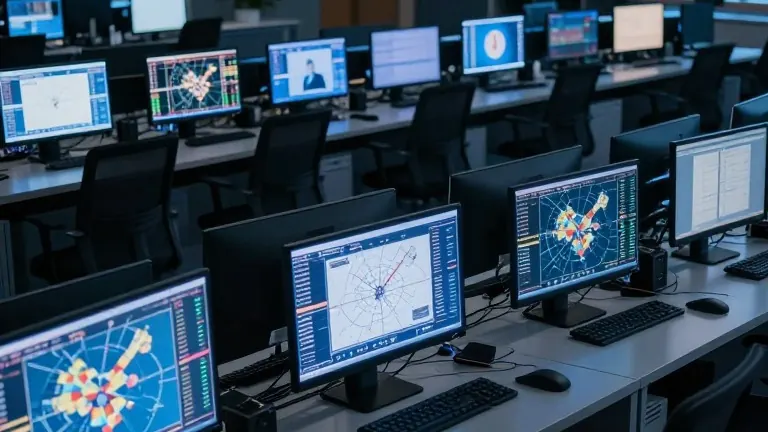
Kim Heung-kwang, who fled to South Korea in 2004, described hackers as one of the leader's secret weapons. He noted that recruits have little say in their eventual roles. The National Intelligence Service of South Korea estimated in 2024 that North Korean cyberwarfare operations employed roughly 8,400 people. The regime established a cyber unit in 1998 and elevated its status after Kim Jong Un took power. In 2013, he designated cyber warfare as a central strike capability alongside nuclear weapons and missiles.
Successful hackers receive tangible benefits. Kim Heung-kwang said a military unit could receive up to 30% of proceeds in US dollars from successful operations. Hackers may also earn an apartment in Pyongyang for their parents. Lim Jongin, a cybersecurity professor emeritus at Korea University, said accounts describe apartments measuring up to 132 square meters. One defector added that successful personnel could gain ruling party membership and marry into elite families.
Travel to allied countries like China offers additional perks, including freer internet access. The use of artificial intelligence has also become common. YouTuber Deeveeaar, who claims to have accessed cameras monitoring North Korean IT workers, said they use AI to write code and fabricate identities. A United Nations sanctions monitoring team reported in 2025 that TraderTraitor had acquired accounts for ChatGPT and DeepSeek.
Binance said its attackers used a fake job interview and software hidden in an advertisement to compromise employee computers. The group then exploited an internal AI tool to control systems. Despite these advanced methods, working conditions remain harsh. Former IT workers described crowded housing, constant monitoring, and shifts exceeding 10 hours.
Nam Bada, executive director of advocacy group PSCORE, said workers must meet monthly dollar earnings targets or face humiliation and punishment. He stated that this pressure causes severe stress and health problems. Analysts note that government support allows these groups to keep refining their methods. Alec Zebrick, a senior manager at Chainalysis, said the difficulty of taking international action enables repeated operations.
Zebrick added that North Korean groups increasingly target larger organizations with greater potential funds. They accept harder targets in exchange for the possibility of bigger returns.