Texas Faith Group Heads To COP31
Texas Impact travels to Antalya to represent faith-based interests as the United States withdraws from global climate frameworks.
By Amit Chukwu ·

Texas Impact, a faith-based advocacy network based in Austin, will send observers to the 31st United Nations Framework Convention on Climate Change Conference of the Parties. The group travels to Antalya, Türkiye, for the summit running from November 9 to 20. They serve as the only state-level, faith-based credentialed non-governmental organization observers at the event.
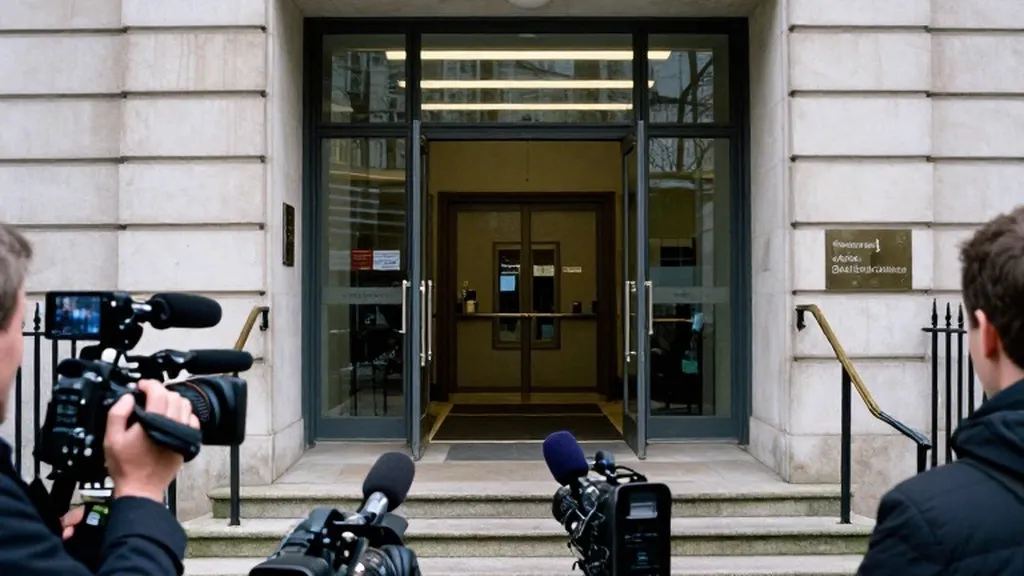
The organization joins a global cohort of faith advocates from various denominations and mission groups. Their stated goal is to remind negotiators that climate action is a humanitarian and ethical imperative. They argue the issue is not merely a technical or scientific matter. Texas Impact will share video coverage of the proceedings with the Austin Chronicle.
The U.S. delegation is notably absent from the official proceedings. National leaders are staying away, which the group says effectively sidelines Americans in a global conversation. This absence occurs while the U.S. has withdrawn from both the Paris Agreement and the entire UN Framework Convention on Climate Change. Subnational leaders continue to participate despite the federal retreat.
The current administration has reversed decades of American leadership in this area. The United States previously set ambitious emission reduction targets under the Paris Agreement. Those targets were operationalized through the Inflation Reduction Act. Congress now bears responsibility for potentially gutting that legislation. State and local governments are simultaneously evaluating policy choices that could lock in carbon-intensive patterns.
Local debates in Texas mirror the global tensions. Fights over data center permitting are cited as a potent example of this dynamic. These decisions determine whether the state accelerates a shift to low-carbon energy or entrenches existing high-emission infrastructure. Texans are experiencing climate impacts on weather, reinforcing the need for engagement.
Negotiators face serious conflicts between interest groups. There are doubts about the efficacy of multilateral negotiations in the current political environment. Growing tensions exist between economic goals and demands for equity from marginalized groups. These groups include women, youth, and residents of areas already disproportionately impacted by climate change.
Texas Impact argues that calling the event a mere conference is inaccurate. It is a multilateral negotiation and a meeting. Referring to it as a conference suggests it is just an exchange of ideas. This framing builds a permission structure for wealthy nations to step away from existing responsibilities and commitments.
The future of U.S. climate policy could change based on election outcomes. The decision to leave the Paris Agreement was made unilaterally. Americans continue to show growing concerns about climate impacts. Texas Impact, the state's oldest and largest interfaith advocacy network, will remain in Antalya to advocate for policies reflecting values of love and justice.